Here is the promise every mystery makes and most of them break: I will show you everything you need to solve this, and I will still surprise you. Break that promise by hiding the key fact and the reader feels cheated. Break it by making the twist obvious from page one and the reader feels bored. The books on this shelf are here because, chapter by chapter, they mostly keep the promise.
NanoReads runs its mystery catalog in short chapters, roughly ten minutes each, which changes the math of fair play. A doorstop novel can bury a clue on page 140 and trust you to remember it. A serial chapter has to plant its clue and pay it off inside a much tighter window, or the reader has already closed the app. That constraint turns out to suit the genre better than you'd expect.
It also changes who gets to be a detective. Golden Age mysteries needed a Poirot: someone with the training, the leisure, and the social permission to interrogate strangers. A ten-minute chapter doesn't have room for that setup, so this shelf mostly skips it. The people solving crimes below are an insurance agent, a defense attorney, a pastor, a physicist's biographer — people with an ordinary, believable reason to already be asking questions, which is a faster and honestly more plausible way into a case than a stranger showing up with a magnifying glass.
What our mystery shelf is actually made of
Before the list, a confession about what "mystery books" means on this specific app, because it is narrower and stranger than the search term implies. Four of the ten serials below are the same detective. Her name is Lila Finch, she is an insurance agent, and she runs her cases out of a small-town office where, per the books themselves, she "knows everyone." That is not a coincidence of one author having a good run; it is the shape our readers keep rewarding. Small-town insurance fraud turns out to be an unusually efficient mystery engine: an insurance agent already has legitimate reason to ask nosy questions, already has access to medical records and claims histories, and already knows which neighbor is lying about the fire. Nancy Drew had a roadster and a lot of free time. Lila Finch has a spreadsheet and a captive audience.
The other six books widen the lens considerably: a Dallas defense attorney, a disappeared Italian physicist, a hiker who vanishes on the Appalachian Trail, a pastor who finds a body in his own church basement, and two serials that openly cross mystery with sci-fi and horror rather than staying in their lane. That range is the real argument for this page over a generic "best mystery novels" listicle: you are not getting one flavor of whodunit stretched across ten covers, you are getting a small-town cozy shelf with a few genuinely different rooms attached.
🔍The case files, in order
-
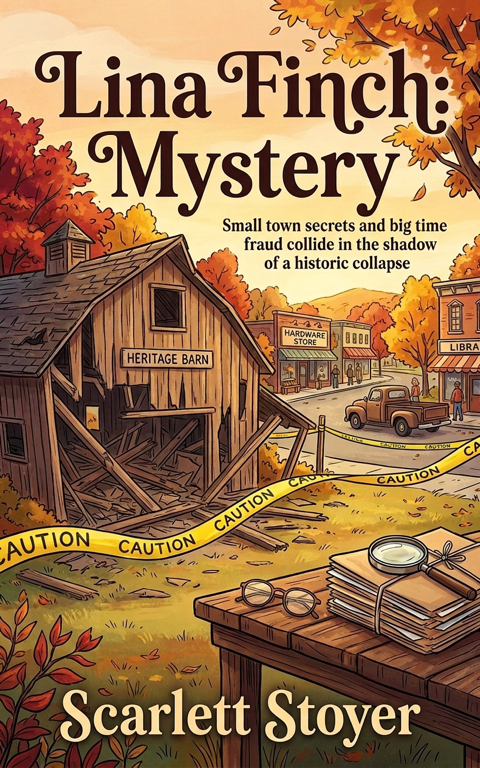
Lila Finch Insurance Mystery
The one that starts the run. Lila works a small-town insurance desk, which means she has already met the killer at least twice before the case opens — as a client, or as a claim. Cozy in tone, amateur-sleuth in structure, and the shortest on-ramp to the character if you want to know whether the voice works for you before committing to the sequels.
Meet Lila, free chapter one -
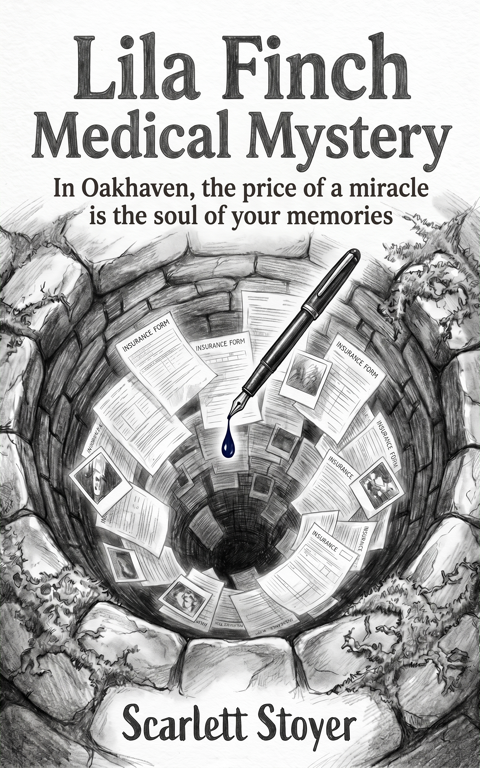
Lila Finch Medical Mystery
Lila notices a run of medical claims where the patients recover from fatal diagnoses overnight — statistically the kind of anomaly an actual insurance adjuster would flag long before a detective would. A billing-error investigation turns into something closer to folk horror once a suspicious clinic and an old well enter the picture; the catalog tags it mystery and paranormal both, and it earns the second tag honestly rather than bolting it on.
Read the claim file free -
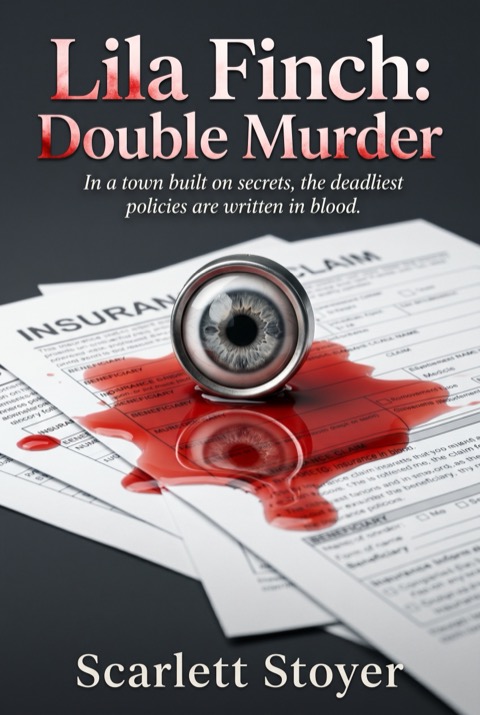
Lila Finch: Double Murder
The series raises its own stakes: one body was always going to happen in a small town eventually, two bodies means someone is either very unlucky or very deliberate. Tagged action-thriller and stalker-thriller on top of the cozy-mystery base, which tracks — this is the entry where Lila's amateur status starts to look like a liability instead of a quirk.
Open the double file free -
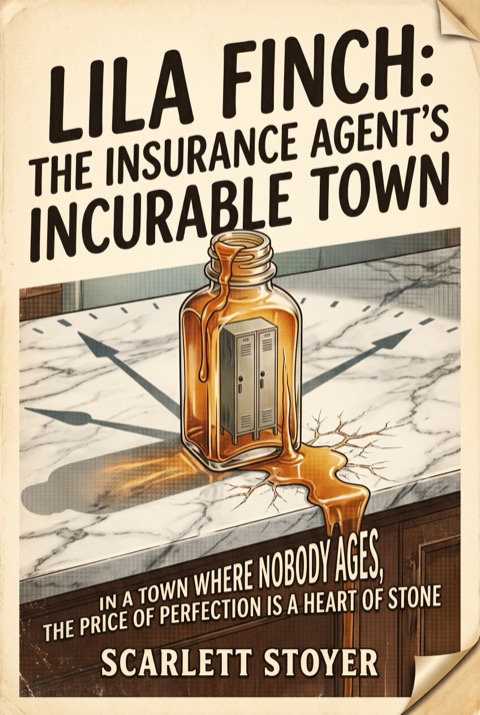
Lila Finch: The Insurance Agent's Incurable Town
The premise here is the strongest hook in the whole quartet: a secluded valley town where nobody has fallen ill or visibly aged in forty years, discovered because a routine school-records audit turns up the same tenth-graders enrolled since the 1980s. Filed young-adult mystery rather than straight cozy, and it is the entry that finally asks what an insurance agent is supposed to do when the actuarial tables themselves stop making sense.
Audit the town free -
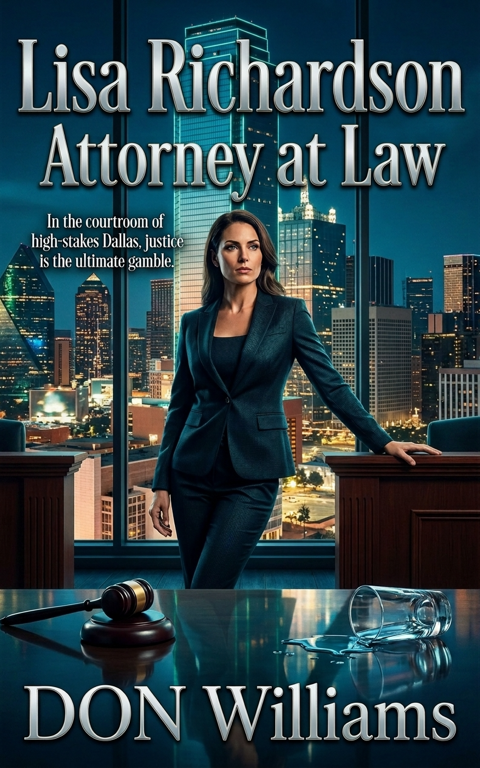
Lisa Richardson Attorney at Law
Dallas's top defense attorney gets a call she should refuse: her ex-boyfriend wants her to defend his son, found unconscious in a dead girlfriend's apartment. Legal-thriller and police-procedural tags both apply, and the conflict-of-interest premise does real work — Lisa's professional judgment and her old feelings are pulling different directions from page one, with her PI Janet along to keep her honest.
Take the case free -
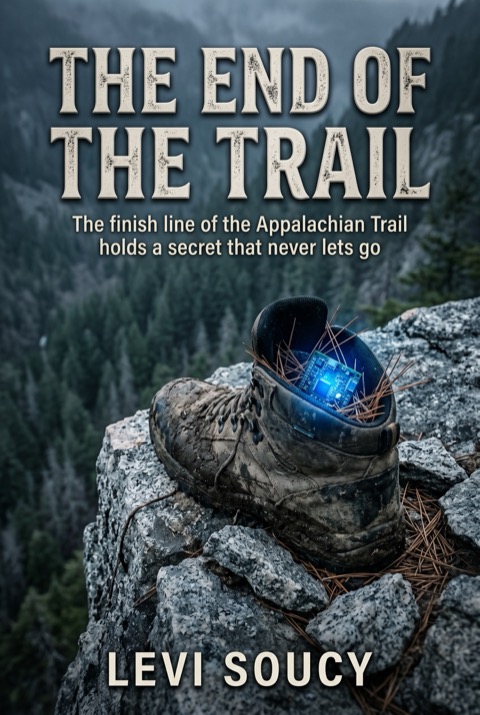
The End of the Trail
A hiker completes the 2,000-mile Appalachian Trail, checks in at the ranger station, starts the final climb up Mt. Katahdin, and is never seen again. No body. Two weeks later, a married couple attempts the same climb and also vanishes. Tagged cozy-mystery, which is almost funny given the premise — this is a wilderness-disappearance mystery with the patient dread of a missing-persons case file, not a tea-and-scones read.
Start the climb free -

The Stilo Equation
The most unusual premise on this list: an investigation into the real 1938 disappearance of physicist Ettore Majorana, deliberately ruling out suicide, defection, and political assassination in favor of the retreat-to-a-monastery theory historians have argued over for decades. Less whodunit than historical-mystery essay dressed as fiction — closer kin to a cold-case documentary script than a Lila Finch case file, and worth knowing that going in.
Read the disappearance file free -
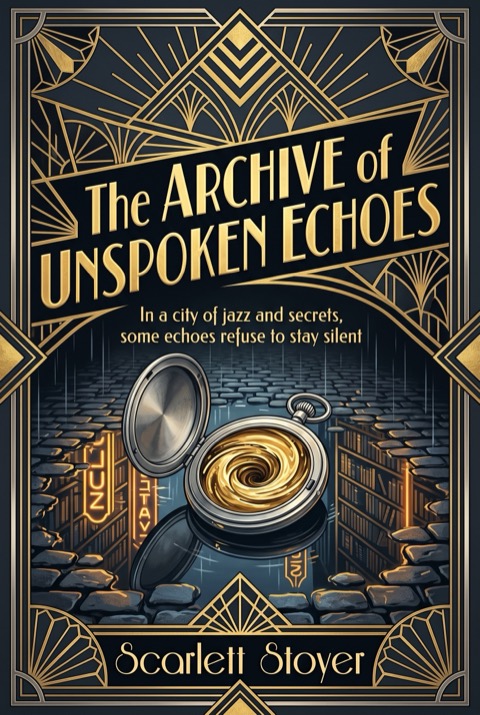
The Archive of Unspoken Echoes
A 1920s Chicago librarian manages a secret archive of objects storing the last words of the dead, until a silver locket plays a confession from a man who is still alive. Historical-mystery filed under fantasy first, mystery second — the amateur-sleuth structure is fully intact, the supernatural device is just doing the work a fingerprint kit usually would. If you want the case-solving satisfaction of this shelf without the crime-scene grit, start here.
Open the archive free -
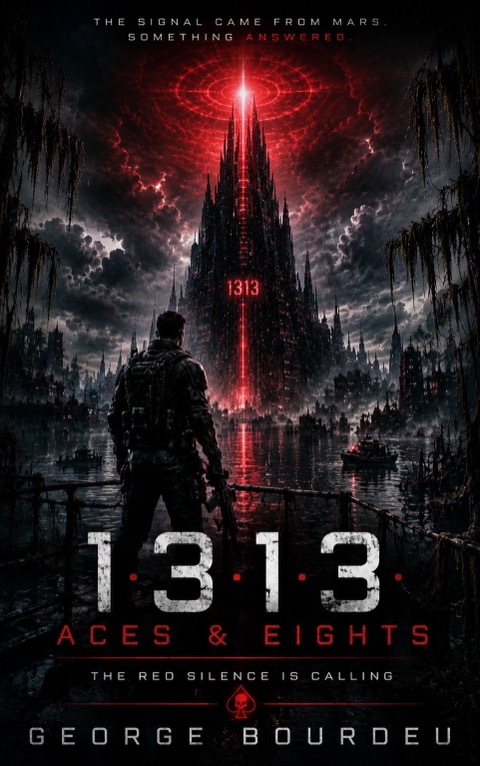
1313: Aces & Eights: The Red Silence Is Calling, Book 1
The catalog tags this sci-fi, YA, horror, and mystery all at once, and for once that is not tag inflation. A floating fortress over a flooded Louisiana, a portal spitting out half-biological "Martian Scavengers," and a supply run that goes wrong enough to become a mystery about what the Portal actually is. Read it as proof that this shelf's "mystery" tag stretches to cover investigation-driven plots that have nothing to do with a murder weapon.
Answer the silence free -
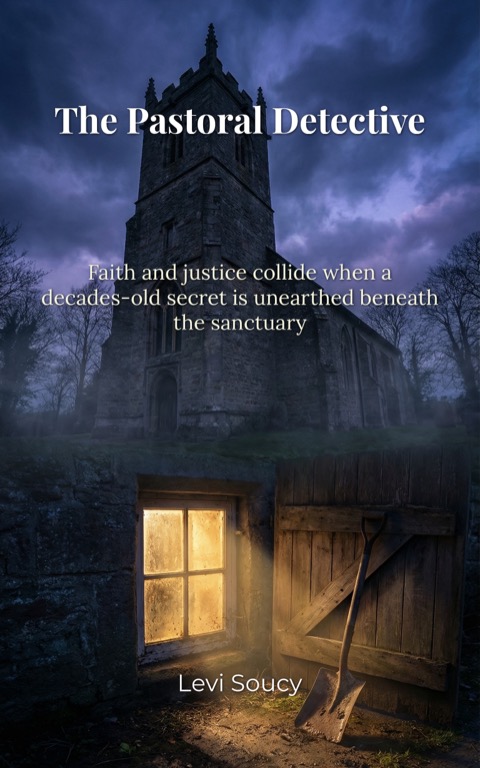
Bones in the Basement
A pastor and his fiancée find a body buried under their own church, and go looking for the killer themselves rather than waiting on the police. The shortest, plainest premise on this list, which is its own kind of appeal: amateur-sleuth mystery stripped to the studs, no genre-blend, no franchise baggage, just a body where there shouldn't be one and two people who can't let it go.
Dig into it free
Reading the mystery tags on NanoReads
Every book on NanoReads carries genre and trope tags, and in mystery those tags separate four genuinely different reading experiences that a plain "mystery" search would flatten into one.
Cozy-mystery / amateur-sleuth
Low violence, a detective who is not a professional (an insurance agent, a pastor), a small community where everyone already knows each other. Six of the ten books above wear this tag. It is the house style of this shelf.
Legal-thriller / police-procedural
Lisa Richardson Attorney at Law is the one professional-investigator entry here — courtroom stakes, procedural detail, a PI doing the legwork. If cozy mysteries feel too gentle, this is the escalation.
Historical-mystery
The Stilo Equation and The Archive of Unspoken Echoes both look backward instead of at a present-day small town — one into real 1938 history, one into a fictional 1920s Chicago. Read these for the research flavor as much as the reveal.
Genre-blend mystery
1313: Aces & Eights and Lila Finch Medical Mystery both let mystery share the page with something stranger — sci-fi/horror for one, paranormal for the other. If you came from our horror shelf or the fantasy shelf looking for a case to solve, start with one of these two.
Which one first, honestly
If you have never read a NanoReads mystery serial and want the safest bet, start with Lila Finch Insurance Mystery. It is the shortest on-ramp to the character, the tone is gentle, and if you like it there are three more waiting. If cozy small-town cases sound too soft for your taste, skip straight to Lisa Richardson Attorney at Law or The End of the Trail — both raise the stakes without leaving the genre. And if what actually drew you here was the word "mystery" attached to something weirder, 1313: Aces & Eights and The Archive of Unspoken Echoes will scratch that itch better than a straight whodunit would.
One honest note before you commit to any series entry past the first: several of these are early installments (Double Murder is Lila's third case, not her first), and NanoReads' chapter-one previews generally tell you where you're jumping in. Read the free sample before you decide the mid-series entry point bothers you — sometimes it doesn't.
For what it's worth, the internal order of the Lila Finch quartet, by how the cases build on each other rather than by publication date, reads: Insurance Mystery first (she is new to the reader, if not to the job), then Medical Mystery, then Double Murder, then The Insurance Agent's Incurable Town last, since its premise — a town where the actuarial tables have stopped meaning anything — plays best once you already trust Lila's read on what counts as normal for her corner of the map.
🕵️Solve it yourself: a 30-second self-check
Before you invest in any mystery serial, ours included, run its free chapter one through this. It takes less time than the chapter itself.
- Does chapter one give you a body, a disappearance, or a genuine unanswered question — not just a moody setting?
- Can you name the detective's actual reason to be involved (job, relationship, obsession), or are they just "curious"?
- Does at least one detail in chapter one feel like it will matter later, rather than pure scene-setting?
- Is the voice one you'd tolerate for several more chapters — cozy, hard-boiled, legal, whatever it is?
- If it's a sequel, does the chapter tell you what you're missing instead of assuming you already know?
All ten books above pass at least four of these five. That is a higher bar than it sounds — most rejected submissions to this shelf failed on the second question alone.
Where mystery borders other shelves
Mystery is one of the quieter genres on NanoReads by book count, but it leaks into three louder neighbors constantly. Readers who want the dread without the tidy resolution tend to end up on our horror shelf, which shares the same cluster this page sits in and is genuinely the closer read if you liked 1313's Portal more than its case file. Readers who want the amateur-sleuth structure but wish it had a love story attached should look at our best psychological thriller books list, where several entries pair a case with a relationship under strain. And if the fantasy dressing on The Archive of Unspoken Echoes was your favorite part, the full fantasy books hub is one click away.
Not sure which of these ten fits your mood tonight? Our what-should-I-read-next quiz takes about a minute, or drop a mystery novel you already loved into the books-like finder and see what the catalog matches it to.
The wider point, since this is one of the smaller genre shelves on the site by book count: NanoReads is roughly 260 serials across romance, fantasy, horror, thriller, YA and a handful of odder corners. If you finish all ten mystery entries above in a week — plausible, at ten minutes a chapter — the building has other floors, and the case-solving instinct these books train transfers surprisingly well to a psychological thriller or a horror investigation next.