Here is the verdict up front: this is a small shelf, and we are not going to inflate it. Most "best horror books" pages pad out to twenty-five entries with thrillers wearing Halloween masks. NanoReads currently carries seven serials with an honest horror tag, out of roughly 260 books in the catalog, and every one of them earns the tag differently. Small shelf, no filler. We would rather grow it slowly than lie to you about what's on it.
The other thing you should know: horror was a serial genre before it was anything else. The Victorian ghost story arrived in weekly installments, and readers waited seven days with the image still in their heads. Ten-minute chapters are not a compromise for horror; they are the original delivery mechanism for dread. What follows is the shelf sorted the only way that matters, by what, exactly, each book wants you afraid of.
One more housekeeping note before the dark: you will find no spice meters anywhere on this page. This is not a romance shelf and we refuse to dress it like one. What you get instead are content notes, specific ones, because a horror reader's consent works differently: you want to be scared, and you want to choose by what. Both halves of that sentence get respected here.
🕯️The shelf
Why we sort by fear, not sub-genre
Sub-genre labels describe furniture. Gothic means old houses; slasher means a knife; cosmic means tentacles, allegedly. None of that predicts whether a book will actually get under your skin, because fear is not about furniture. It is about which specific alarm the story pulls. Some readers are unmoved by any monster but cannot handle a story where the threat is a person who loves them. Others shrug at serial killers and lose sleep over one preserved woman copying a heartbeat.
So the taxonomy below sorts the shelf by the alarm being pulled: the land, the void, the machine, the human, the horde, the spirit. Find the one that works on you, or, if you are the other kind of horror reader, the one that doesn't, and start there. Know thyself is cheap advice everywhere except a horror shelf, where it is a genuine reading strategy.
Six flavors of fear, one shelf
The land remembers: folk horror
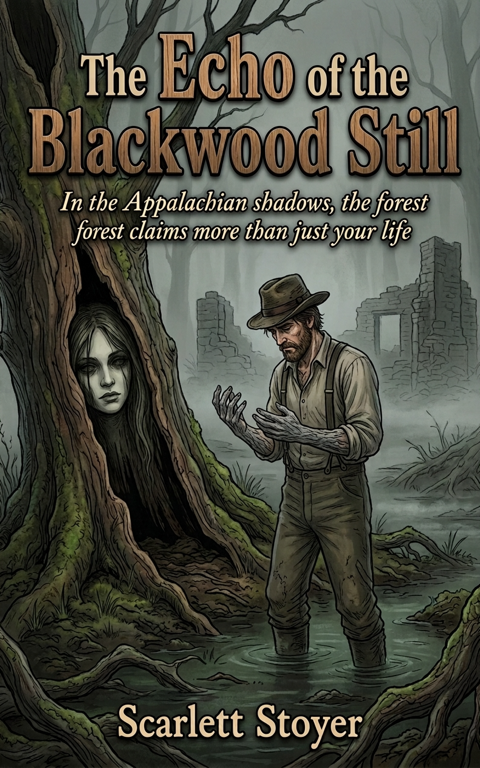
The Echo of the Blackwood Still by Scarlett Stoyer is the shelf's anchor and the book we test new horror readers with. 1892, a remote Appalachian valley, a disgraced taxidermist digging peat near an abandoned moonshine distillery. His spade finds a hollow tree trunk, and in the trunk a preserved woman who begins, over the following days, to mimic his heartbeat and his speech. The locals are not surprised, which is the worst detail in the whole setup. Folk horror works by making the reader the only person in the story who doesn't know the rules, and Stoyer plays that instrument with both hands. Gothic, Victorian, obsessive. The first chapter is free; dig at your own pace.
Something notices you: cosmic horror
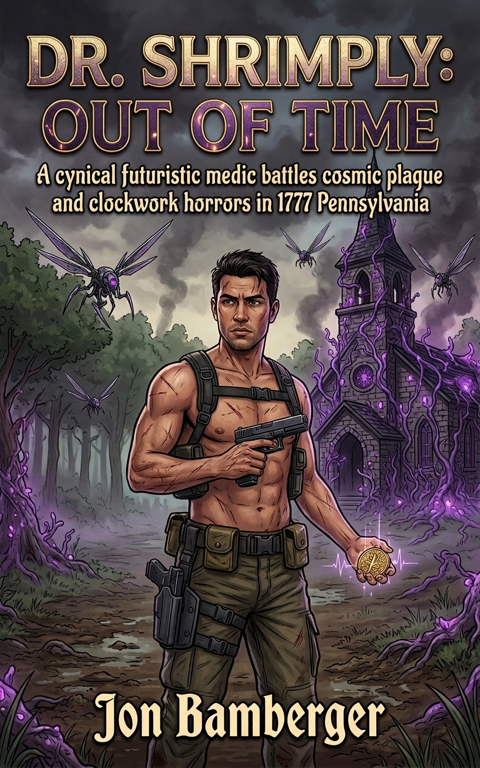
Dr. Shrimply: Out of Time by Jon Bamberger is the funniest book on this shelf, which in cosmic horror is a survival strategy. A combat medic from 3026 falls through a rift into an alternate 1777 with a pistol, tactical gear and a medallion, intending to stop a future plague with pure applied science. The title and the swagger are pulp; the cosmic-horror tag underneath is not. The oldest trick in Lovecraft's drawer is scale, the moment the clever protagonist realizes the problem was never his size, and a comedy is a very good place to hide that moment. It also sits on our historical fiction shelf, where the Revolutionary-era furniture gets its due. Free first chapter, medallion not explained.
The network is still growing: machine dread
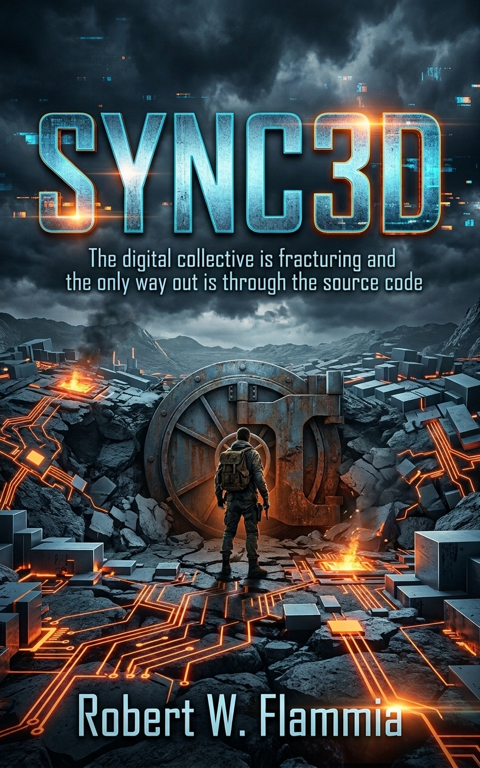
SYNC3D by Robert W. Flammia is what happens when the apocalypse has good uptime. An integrated digital network expands past the city limits and meets something it did not model: pockets of humanity biologically immune to its signal, who respond by physically assaulting the infrastructure to sever the central bridge. Psychological horror, cyberpunk, post-apocalyptic survival. What unsettles here is not a monster but a system that keeps optimizing while people die around its edges. If your fear receptors were installed after 2023, this is the book aimed at them. Readers who want this dread without the horror framing should also see our sci-fi picks for 2025. Sync in free, chapter one.
The human kind
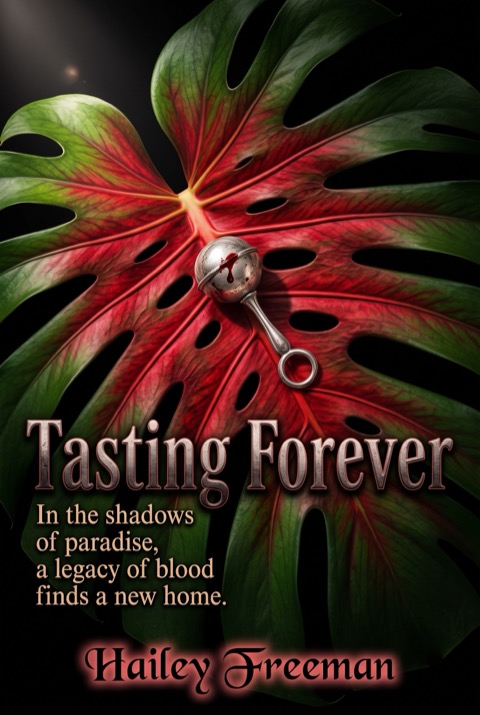
Tasting Forever by Hailey Freeman needs the frankest handling on this page, so here it is. A fugitive couple, one of them a killer whose signature the international press knows, sets up a new hunting ground in a tropical city while local police work a string of disappearances. The couple is expecting a child. That is the premise: cannibalistic serial murder, told from inside the marriage, with a pregnancy clock running. It is a thriller-horror hybrid and the most disturbing book on this shelf by some distance.
Content notes: Tasting Forever
- Cannibalism and serial murder, central to the premise
- Pregnancy in a violent context
- No indication of a redemptive arc; this is horror, not romance
We flag it hard not to warn you off but because horror readers deserve accurate labels; the one-star reviews in every genre come from mis-sold books, not dark ones. If the notes above read as a menu rather than a warning, chapter one is free.
Monsters at the door
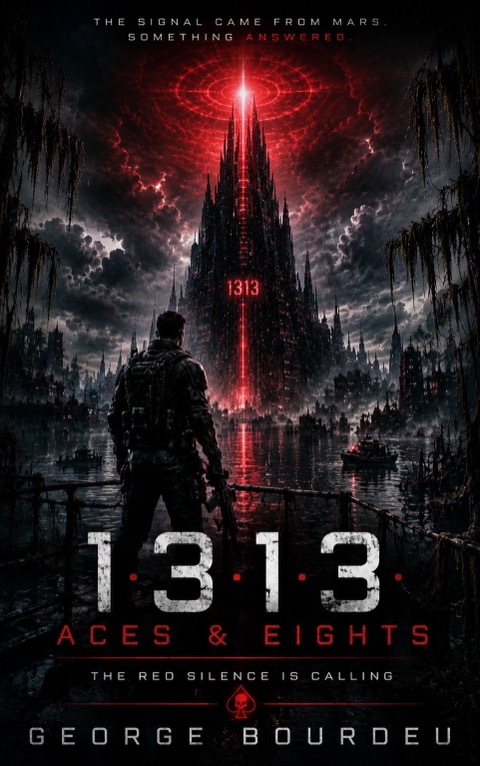
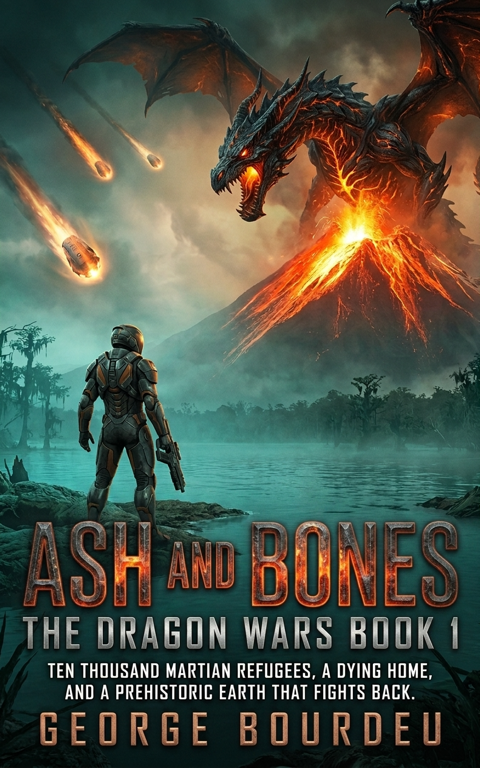
Both by George Bourdeu, both tagged young adult, both built for readers who want their horror kinetic. 1313: Aces & Eights stations its teenage unit in the Spire, a fortress floating above a flooded Louisiana, beneath which a portal over the ruins of New Orleans vomits out Martian Scavengers, half biology, half rusted machine. A supply run goes wrong, because supply runs exist to go wrong. Descend from the Spire free. Ash And Bones opens the Dragon Wars on a Mars the universe has stopped answering, with war, ghosts and pack loyalty in the tag list. Of the two, 1313 has the better monster design and Ash And Bones the heavier sense of a world already lost. Start the war free. Both also appear on our YA shelf with gentler framing; over here we can admit the Scavengers are the draw.
Dread that says it's real
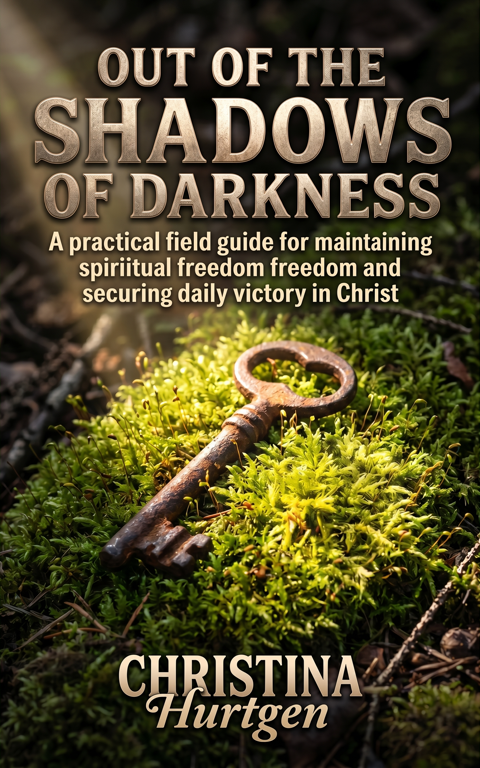
Out of the Shadows of Darkness by Christina Hurtgen is not a novel and we will not pretend otherwise. It is a Christian deliverance guide, nonfiction by its own classification, teaching biblical strategies for identifying residual spiritual vulnerabilities and closing doors to demonic influence. Its author shelves it under horror alongside spirituality, and the logic holds: this is the one book here whose position is that the monsters are real and possibly in your house. Read it as testimony, as practice, or as a window into a live tradition of American spiritual warfare. Whatever you bring to it, it changes the temperature of the whole shelf. The first chapter is free, like everything else here.
The chapter break is a horror device
One craft note, because it explains why this genre and this format belong together. A jump scare spends its fear instantly. A cliffhanger invests it. When a ten-minute chapter ends on the woman in the tree matching a second heartbeat, the story stops but your head does not, and whatever you picture during the gap is calibrated precisely to what frightens you, by the one author who knows you completely. The Victorians understood this; the penny dreadful and the serialized ghost story trained readers to dread the week between numbers more than anything printed in them.
Binge if you must, everyone does. But the readers who ration these books one chapter a night report a different and, we would argue, superior experience. Horror is the only genre on NanoReads where reading slower is the power move.
How we label fear
Romance pages on NanoReads carry spice meters. Horror pages never will, because heat is a preference and harm is a boundary, and the two do not belong on the same dial. What we do instead: content notes on the book or the review wherever a premise crosses common lines, written specifically rather than generically. "Dark themes" tells you nothing. "Cannibalism, central to the premise" lets you decide in one second.
Two honest limits. First, our notes describe the premise and tags, and serials keep publishing; a book can darken as it goes, and with ongoing serials we cannot promise chapter forty stays inside chapter one's lines. Second, when we have not read far enough to vouch, we say what we know and stop, which you will notice we did above. When a note is missing it means we found nothing to flag, not that we guarantee an easy ride. Horror readers know the difference between a warning and a promise.
The dread ladder
If you want the shelf ordered by intensity instead of flavor, here is our honest ladder, mildest rung first.
Rung one, adrenaline: 1313: Aces & Eights and Ash And Bones. Fear as a chase. You will grip the phone, not lose sleep.
Rung two, unease with jokes: Dr. Shrimply. Reads like pulp until the medallion starts mattering. The comedy is a rope bridge; do not look down.
Rung three, systems dread: SYNC3D. Nothing jumps at you. The bad feeling arrives on the commute the next morning, when your phone updates itself.
Rung four, the slow cold: The Echo of the Blackwood Still. Classic dread that accumulates like the valley's fog. This is the rung where reading before bed becomes a decision.
Rung five, no handrails: Tasting Forever. Human horror, unblinking. The content notes above are the whole ladder warning.
Out of the Shadows of Darkness stays off the ladder, because a book that believes its own demons is not playing the same game. For some readers that makes it the mildest thing here; for others, the only one that follows them home.
Where to go when the shelf runs out
Seven serials will not hold a real horror reader for long, so here are the honest adjacencies. Fear built entirely out of human psychology, no monsters required, lives on our psychological thriller list; readers who came for Tasting Forever should go there next. The 1892 and 1777 entries share a border with the historical fiction shelf, where the same dread wears period dress. And a surprising number of horror readers moonlight in dark romance, the one romance corner where content notes matter as much as they do here; the difference is that over there, the monster usually gets a redemption arc. We find that migration pattern funny and completely logical: both genres are about deciding how close to the teeth you are willing to stand. If none of that lands, the read-next quiz will cheerfully route you somewhere stranger, and it takes about a minute. Worst case, you end up back here with a fresh appetite, which is roughly how horror shelves work anyway.
🚪Adjacent rooms
Asked in the dark
Can ten-minute chapters actually be scary?
Serial horror is the genre's original form. Dread compounds between installments: a chapter break gives your imagination a night shift, and the wait does work no page count can. The weekly ghost story predates the horror novel by a century.
Which of these should I not start at midnight?
Tasting Forever, because its horror is human and it does not blink, and The Echo of the Blackwood Still, because folk horror is at its strongest exactly when the house is quiet. Dr. Shrimply is safe at any hour; the jokes hold the lantern.
Are the two young-adult entries actually horror?
1313: Aces & Eights and Ash And Bones are tagged young adult and lean action-horror: monsters, sieges and survival rather than cruelty. Check each book's page for its full tag list, and skim the free first chapter before handing one to a younger reader.
Why is a nonfiction book on this shelf?
Out of the Shadows of Darkness is a Christian deliverance guide whose subject matter is demonic influence, and its author files it under horror alongside nonfiction and spirituality. We keep it because it is the one book here that claims its monsters are real, and we label it plainly so nobody mistakes it for a novel.
When does this shelf grow?
When we find serials that earn the tag, and not before. Horror suffers more than any genre from mislabeled inventory, so we add slowly. If you finish all seven, the psychological thriller list and the darker end of the historical shelf are the closest honest substitutes.