What Is Historical Fiction? Definition & Examples
Historical fiction is a made-up story set in a real past, usually at least 50 years before it was written, where the period's events, customs and attitudes shape what the characters can do. The people may be invented or real, but the setting is researched to feel accurate.
The "50 years" part is a guideline, not a rule, and it's the bit people argue about most. The Historical Novel Society uses it: a book counts if it's set at least half a century before it was written, or if the author wasn't alive during the events they describe. That second clause is the useful one. Jane Austen wrote about her own present, so Pride and Prejudice is a period piece to us but was never historical fiction. Bridgerton the novel, written in 2000 about 1813, is.
The other test is whether the past does any work. If you could move the plot to 2026 by swapping a carriage for an Uber, the history is wallpaper. In good historical fiction, the era is the thing pushing back on the characters: who can inherit, who can vote, what happens if the war reaches your village.
How it differs from its neighbors
| Label | Main promise | Example |
|---|---|---|
| Historical fiction | The period itself, through one or a few lives. Ending can go anywhere. | The Book Thief |
| Historical romance | A love story with a guaranteed happy ending; the era sets the obstacles. | The Duke and I |
| Alternate history | The record is changed on purpose: what if the Axis had won? | The Man in the High Castle |
| Historical mystery | A crime solved with the tools of the era, no DNA, no phones. | The Name of the Rose |
If the love story is why you're here, our historical romance hub is the better shelf. Detective fans should head to the historical mystery novels list.
Famous examples, by era
- Ancient RomeI, Claudius, Robert Graves (1934). The emperor tells his own story of poisonings and succession plots. Still the template for "real person narrates."
- Tudor EnglandWolf Hall, Hilary Mantel (2009). Thomas Cromwell's rise, in present tense, so close you forget you know how it ends. Won the Booker, then its sequel did too.
- 18th-century ScotlandOutlander, Diana Gabaldon (1991). Technically time-travel, shelved everywhere as historical, and the reason half of BookTok knows what a Jacobite is.
- American Civil War eraGone with the Wind, Margaret Mitchell (1936). Huge, influential, and now read with a hard eye on how it romanticizes slavery.
- World War IIAll the Light We Cannot See, Anthony Doerr (2014), and The Nightingale, Kristin Hannah (2015). The modern WWII boom in two books: one lyrical, one a full-on weepie.
For more picks across every century, see our best historical fiction novels roundup, or the YA historical fiction list for younger narrators.
When it works, and when it doesn't
The classic failure is a modern person in a bonnet: a 1790s heroine who talks about "boundaries" and faces no real consequences for breaking every rule of her world. Readers spot it fast. The opposite failure is the research dump, three pages on how a loom works because the author spent a month learning.
Done well, the details are there because the character would notice them. A mill girl knows exactly what a bolt of silk weighs. A cabin boy knows which officer to avoid. You learn the period by watching someone survive it.
🕰️Three past settings on NanoReads
-
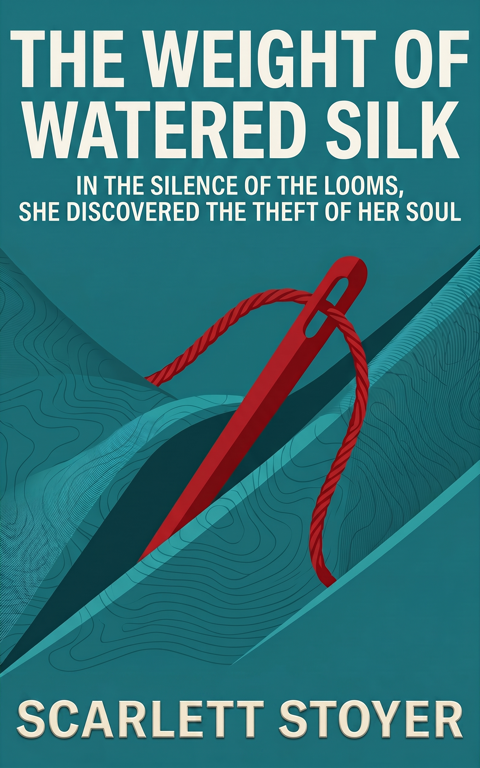
The Weight of Watered Silk
1920s silk mill. A mute textile worker finds a hidden ledger showing the factory owner forges young immigrant workers' identities to claim their inheritances. The period matters here: paperwork, immigration status and a worker who can't speak up are what make the fraud possible.
Read chapter 1 free -
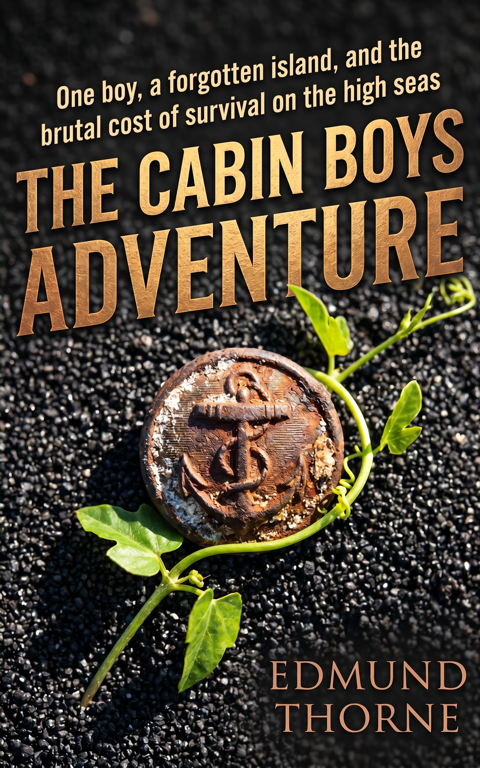
Shadows in the Mist
A 14-year-old cabin boy serves a stern captain on a British man-of-war sent by the king to spy on the Spanish colonies in the New World, and the Spanish navy attacks before they arrive. Age-of-sail adventure with war and loss in it.
Board the ship, first chapter free -
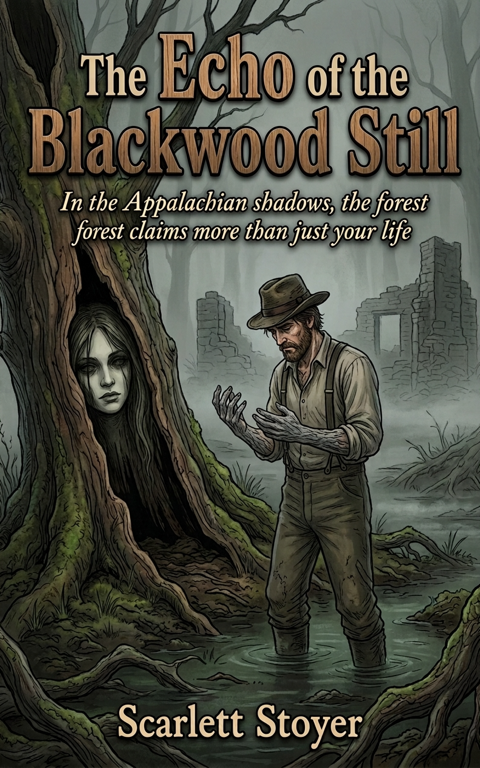
The Echo of the Blackwood Still
Appalachia, 1892. A disgraced taxidermist digging peat moss near an abandoned moonshine still uncovers a preserved woman in a hollow tree trunk, and she starts copying his heartbeat and his speech. Historical setting, horror engine: it shows how the genre blends.
Try the opening chapter (if you dare)
Quick questions
Is a book set in the 1990s historical fiction?
Not yet, by the usual 50-year guideline, though some prizes and librarians accept anything written from research rather than memory. Expect the 1980s and 90s to slide into the category over the next couple of decades.
Can historical fiction include real people?
Yes. Wolf Hall is narrated by Thomas Cromwell. The convention is that invented scenes and dialogue are fine, but the documented record (who died, who won, who married whom) shouldn't be changed. Change it and you're writing alternate history.
Is historical fiction the same as a history book?
No. A history book claims everything in it happened. Historical fiction is invented and says so; the research makes the world believable, but the story is fiction. Many authors add a historical note at the end separating fact from invention.
Related terms
Not sure which century to start in? Take the read-next quiz