What Is Christian Fiction? Definition & Examples
Christian fiction is fiction written from a Christian worldview, where faith actively shapes the plot: characters pray, doubt, repent, forgive, and change because of what they believe. It spans romance, thrillers, historical sagas and end-times suspense, and it's usually clean, with no explicit sex and little or no profanity.
So is a novel with a pastor in it Christian fiction? Not necessarily. Plenty of mainstream books have churches, hymns and a kindly vicar in the background. The test is whether belief does work in the story. If you could delete every prayer and the plot would still run the same way, you're holding a regular novel with a Christian setting. If the turning point hinges on a character finally forgiving someone because she believes she's been forgiven, that's the genre.
🧭The four traits readers actually expect
- A faith arc running alongside the main plot. Someone loses faith, finds it, or gets it tested.
- Clean content by publisher standard: closed door or no door, minimal swearing.
- Grace over punishment. Villains get a shot at redemption, and sometimes they take it.
- A hopeful ending. Not always happy, but never nihilistic.
↔️Christian fiction vs. its neighbors
The labels blur on store shelves, and that's where most of the "wait, this isn't what I wanted" reviews come from.
| Label | Faith on the page? | What you get |
|---|---|---|
| Christian fiction | Yes, central | A story where belief drives the choices |
| Inspirational fiction | Optional | Uplifting and hopeful; may not mention God at all |
| Clean romance | Not required | No sex on the page; faith is a coin flip |
| Christian nonfiction | Yes | Teaching, devotionals, memoir. No invented plot |
If what you're really after is the no-spice part and not the sermon, our clean romance list is the better fit. If you want the nonfiction side, try Christian self-help books.
📜Where the genre came from
The roots are old. Bunyan's The Pilgrim's Progress (1678) is an allegory with a plot, and Ben-Hur (1880) turned a gospel-era story into a bestseller big enough to become a chariot-race epic on film. Charles Sheldon's In His Steps (1896) gave the world the question "What would Jesus do?" decades before the bracelets.
The modern shelf dates to 1979, when Janette Oke's prairie romance Love Comes Softly showed publishers like Bethany House that there was a huge market for clean, faith-centered love stories sold in Christian bookstores. Frank Peretti's spiritual-warfare thriller This Present Darkness (1986) did the same for suspense. Then Left Behind (1995) took the end-times premise mainstream and sold tens of millions of copies across the series.
📚Famous examples by flavor
Romance: Francine Rivers' Redeeming Love retells the book of Hosea in Gold Rush California, a man ordered by God to marry a prostitute. It's the genre's most-recommended book, and a good reminder that "clean" doesn't mean gentle: the abuse backstory is dark. Historical saga: Rivers' Mark of the Lion trilogy, starting with A Voice in the Wind, sets a Jewish slave girl's faith against Rome. Allegory: The Shack by William Paul Young, which sold enormously and argued with a lot of pastors. Thriller: the Peretti and Left Behind books above.
Browse the rest on the Christian fiction shelf, or narrow to love stories set in the past with our Christian historical romance picks.
🔎See it in action on NanoReads
Two of these are Christian fiction in the strict sense. The third sits right on the line, and it's useful for exactly that reason.
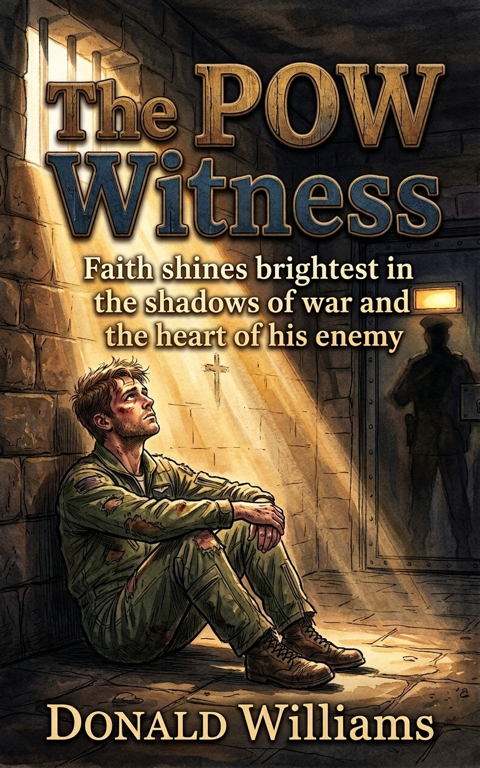
The POW Witness
A textbook case of the "grace over punishment" trait. An air force pilot is shot down, taken prisoner and tortured, and keeps showing his guards God's love until they start wondering what he has that they don't. The witness in the title is the plot. Expect war-prison violence, not a cozy read. Start chapter 1 free.
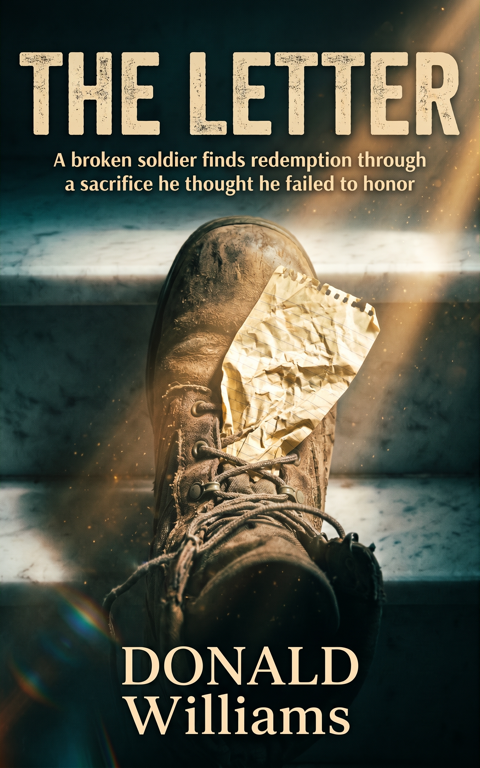
The Letter
This one shows the faith arc from the other side. Lt. Greg Davis runs nightly Bible studies for his squad in Afghanistan, and then he's handed Hector Cruz, a furious recruit off the LA streets who wants none of it. The book is tagged for PTSD, war and even demons, so it runs heavier than most of the shelf. The first chapter's free here.
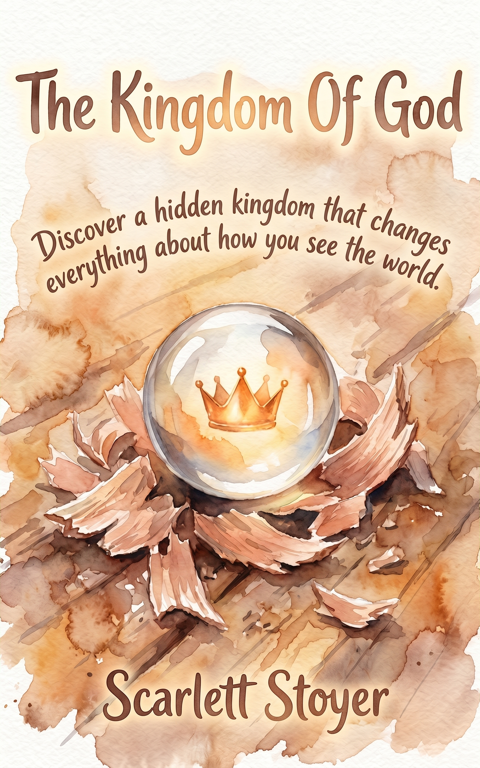
The Kingdom Of God Not fiction
Scarlett Stoyer's book is teaching, not a story: a warm, conversational explanation of what "the kingdom of God" means, pitched at a 7th-grade reading level. It's the bottom row of the table above made real. It's a good pick if a novel sent you looking for the ideas underneath it. Read the opening free.
Not sure which mood you're in? The what-should-I-read-next quiz sorts it out in about a minute.
🚫The misconception worth dropping
"It's all preachy." Some of it is, and readers inside the genre complain about that more loudly than anyone. But the books that last, like Redeeming Love, get their power from characters who fight their faith for most of the book. If the sermon shows up in chapter one and nobody pushes back, that's a weak book, not a feature of the genre.
❓Quick questions
Is Christian fiction always clean?
Almost always, when it comes from a Christian publisher: no on-page sex, mild or no swearing. Violence is a different story. War novels, end-times thrillers and Francine Rivers' books can get rough, so check content notes if that matters to you.
Do I have to be Christian to read it?
No. Plenty of readers come for the clean romance or the prairie saga and skim the prayers. That said, faith is the engine of the plot, not set dressing, so if a conversion arc would annoy you, pick a historical romance where the faith thread runs lighter.
What's the difference between Christian fiction and inspirational fiction?
Inspirational is the wider shelf. It covers any uplifting, hopeful story, faith-based or not. Christian fiction names Jesus, quotes Scripture and treats belief as true inside the story.