Phoenix, 2026. A successful pastor named Noah is fed up with the sin he sees everywhere he looks, and one night, after a long inward battle, he hears an instruction he can't argue his way out of: build an ark. He starts in secret, because who wouldn't. That's the opening of Noah's Ark 2026, and it's the clearest statement of what this shelf is actually doing — taking scripture's oldest stories and asking what they'd look like if they happened to someone ordinary, this year, in a city with a Target and a mortgage.
That instinct runs through all seven books here. A prodigal son's parable relocated to the old West. A squad leader in Afghanistan holding Bible study for a recruit who hates him. A traveling preacher who'd rather burn evidence than break a promise to the dead. This is Christian fiction that trusts its reader to want a real story — conflict, doubt, danger — with faith running underneath it instead of standing in for a plot.
📖What actually counts as Christian fiction
The genre is wider than its reputation suggests, and this shelf happens to demonstrate most of the range in miniature. Biblical retelling takes a scripture story and moves it somewhere new — Noah's Ark 2026 and The Prodigal Son's Old West setting both work this way. War-and-faith fiction puts belief under direct fire, literally — The Letter's Afghanistan deployment and The POW Witness's captivity both live here. Frontier faith fiction borrows the Western's moral clarity and points it at a preacher instead of a sheriff, which is the whole premise of The Traveling Circuit Preacher. End-times and prophecy fiction asks what ordinary families do when the sermons they've half-listened to for years suddenly seem urgent — that's What is Happening? The Rapture?. And devotional teaching, dressed as a short conversational explainer rather than a plot, is exactly what The Kingdom of God offers.
Five sub-genres, one shelf. If you came in assuming "Christian fiction" meant one flavor of book, that assumption doesn't survive contact with these seven.
✍️One writer, six shelves
Here's the catalog stat worth being upfront about: six of these seven books are written by Donald Williams. That's not padding — it's an honest look at where NanoReads' Christian fiction currently stands, with one prolific voice carrying most of the weight across war fiction, frontier adventure, and end-times thriller, while Scarlett Stoyer's The Kingdom of God supplies the shelf's only non-Williams entry and its gentlest one.
What's notable is how much range Williams covers inside "Christian fiction" as a label. The Letter is a war novel with a PTSD-scarred recruit and genuinely dark material — ghosts, demons, survival — filtered through a squad leader's steady faith. The Traveling Circuit Preacher is a Western adventure with outlaws and stolen gold. Noah's Ark 2026 is speculative near-future fiction. Reading all six back to back tells you more about what "faith-first storytelling" can hold than any single title would on its own.
✝️The shelf, in reading order
-
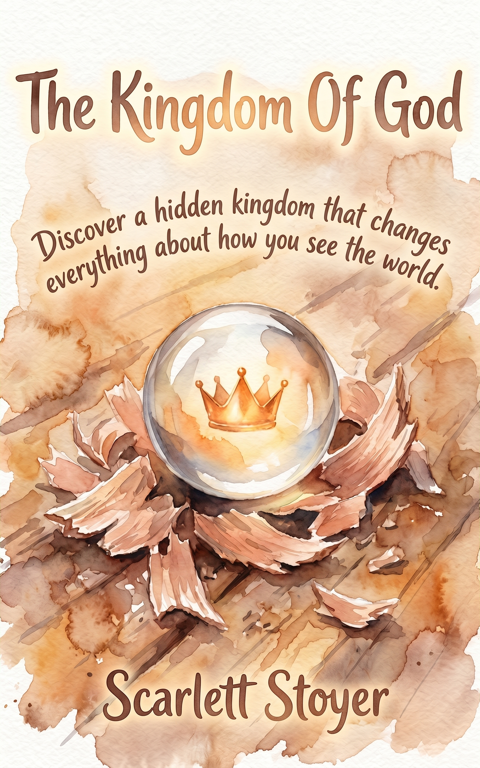
The Kingdom Of God
Scarlett Stoyer. A warm, conversational explanation of the Kingdom of God, pitched at a plain, accessible level. No war, no danger — the easiest door into this shelf, and the one to hand a curious newcomer.
Start reading free → -
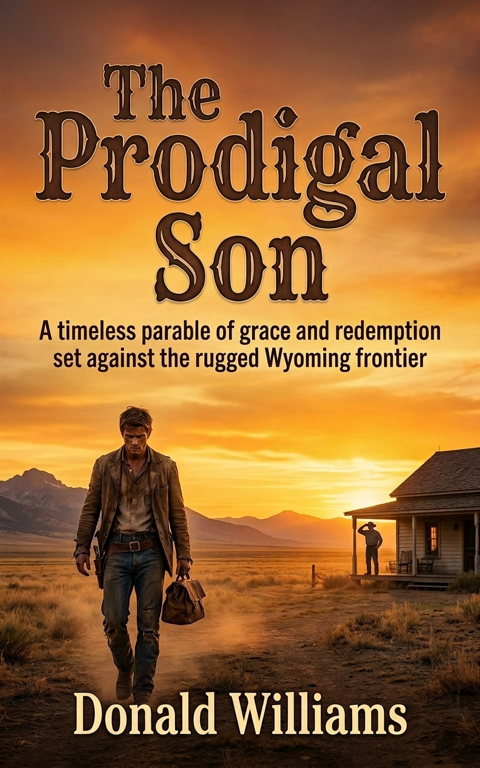
The Prodigal Son
Donald Williams. The parable, moved to the Old West — a family-drama, identity-journey retelling that keeps the original's emotional shape while giving it dust, distance, and a horse.
Start reading free → -
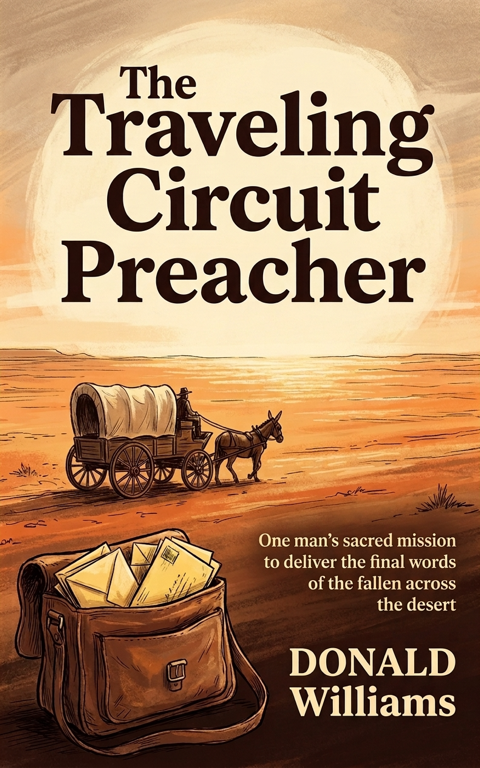
The Traveling Circuit Preacher
Donald Williams. An aging preacher carries letters from dead outlaws to their families across the high plains, until a gang hunting stolen gold starts hunting him. A genuine Western with a preacher's conscience at its center.
Start reading free → -
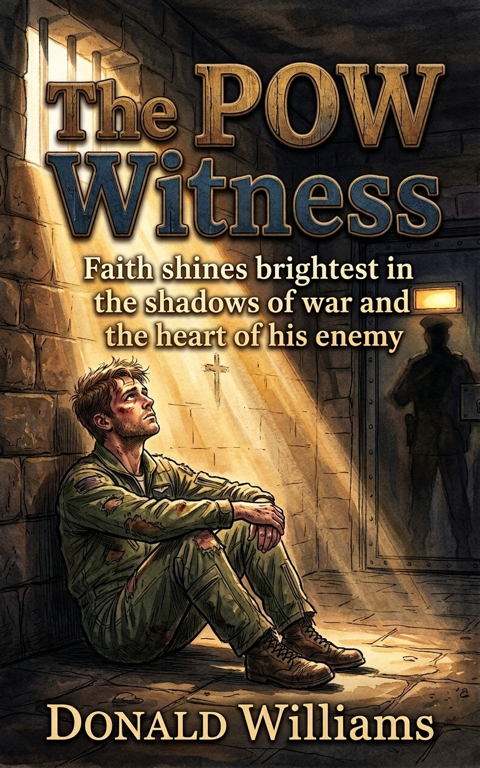
The POW Witness
Donald Williams. An Air Force pilot is shot down, taken captive, and tortured — and holds to his faith throughout until his guards start wondering what he has that they don't. Inspirational fiction with real weight behind the word.
Start reading free → -
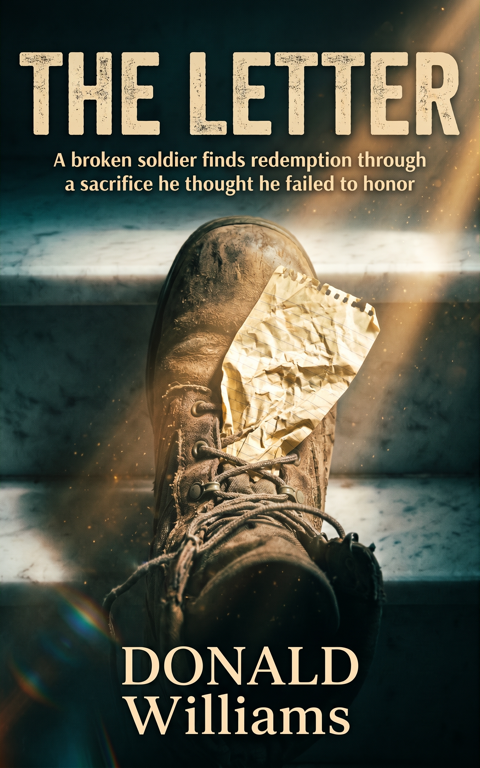
The Letter
Donald Williams. A Christian squad leader in Afghanistan takes in a rebellious new recruit full of resentment, and has to break the kid down before he can build him back up. War fiction with PTSD, ghosts, and hard-won grace.
Start reading free → -
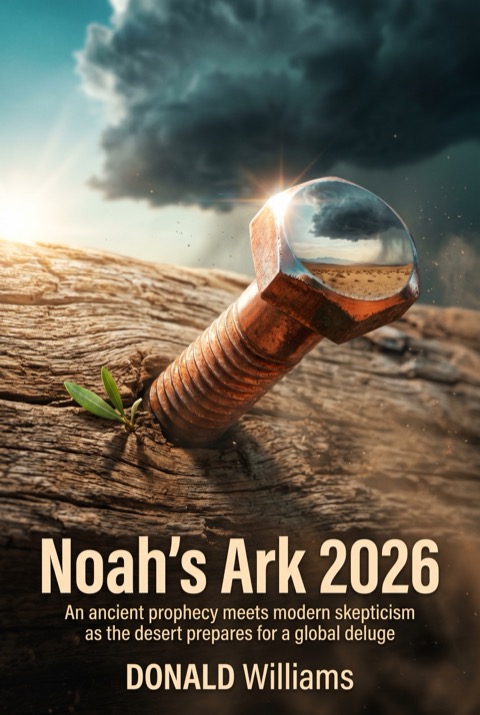
Noah's Ark 2026
Donald Williams. Noah is a successful Phoenix pastor told by God to build an ark, right now, in the middle of an ordinary American life. Historical-thriller pacing wrapped around a scripture story retold in the present day.
Start reading free → -
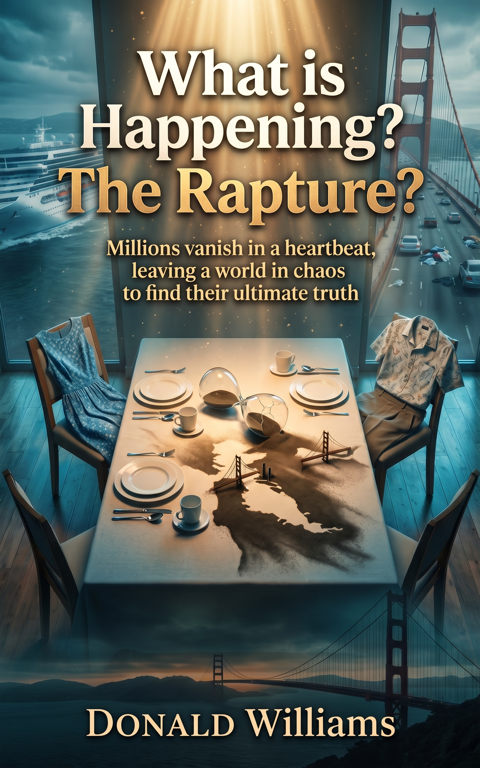
What is Happening? The Rapture?
Donald Williams. Three interwoven households confront disappearances, grief, and a pastor who won't stop talking about the rapture — a thriller-paced end-times story for readers who like their prophecy fiction with real stakes.
Start reading free →
⚖️How faith actually functions in the plot
The lazy version of Christian fiction treats belief as a foregone conclusion — characters who never doubt, conflicts that resolve the moment someone prays hard enough. None of these seven books work that way, and it's worth saying so plainly instead of assuming readers will take it on faith (so to speak). In The POW Witness, belief doesn't spare the pilot a single day of captivity or a single act of cruelty; it's what he holds onto while the torture continues, not a force field against it. In The Letter, the squad leader's faith doesn't make the recruit less resentful or the war less brutal — it just gives him a framework for absorbing both without breaking. Even Noah's Ark 2026, the closest thing on this shelf to a straight biblical retelling, spends more time on Noah's private doubt and the social cost of looking insane to his neighbors than it does on any triumphant certainty.
That distinction matters if you've bounced off Christian fiction before because it felt like being preached at. These seven books are, structurally, war novels, Westerns, and disaster thrillers first — the faith is load-bearing, but it's carrying plot weight, not standing in for it. If a book ever tips into a scene that reads like a sermon rather than a story, that's a fair thing to notice and it doesn't happen often here.
🧭Where to start, by what you're actually craving
New to Christian fiction entirely? The Kingdom of God first — it's short, plainspoken, and asks nothing of your existing beliefs to follow along. It reads more like a patient conversation with a wise friend than a novel, which makes it low-risk if you're not sure the genre is for you at all.
Want war fiction with faith woven through it? The Letter, then The POW Witness — both are unflinching about combat and captivity, and both treat faith as something earned under pressure, not asserted from comfort. Read The Letter first; its recruit-and-mentor structure is the gentler on-ramp before The POW Witness's harder captivity material.
Want frontier adventure? The Traveling Circuit Preacher and The Prodigal Son both trade in Old West stakes — outlaws, gold, a family's reckoning — with a preacher's or parable's moral spine underneath. The Traveling Circuit Preacher has more forward momentum and a clearer external threat (the gang chasing stolen gold); The Prodigal Son is quieter and more about a single relationship repairing itself.
Want something that reads like a thriller first? Noah's Ark 2026 and What is Happening? The Rapture? both use suspense-novel pacing to carry their scripture-adjacent premises, and neither slows down to lecture. Noah's Ark 2026 is the tighter single-protagonist story; What is Happening? The Rapture? spreads its tension across three households, closer to an ensemble disaster drama.
However you enter, the shelf rewards reading more than one. Because six of the seven share an author, patterns start to show up on a second or third book that a single read wouldn't reveal — recurring images of storms and reckonings, a consistent interest in ordinary men handed extraordinary instructions, a refusal to let any of his protagonists arrive at faith painlessly. Read The Prodigal Son next to Noah's Ark 2026, for instance, and the same underlying question keeps resurfacing in different clothes: what does obedience cost a person who has every reason, by any worldly measure, to walk away instead.
📋What to expect, tone-wise
Honest notes before you start
- War content: The Letter and The POW Witness both include combat violence, captivity, and PTSD — neither is a gentle read.
- No romance is the primary plot engine in any of these seven; where relationships appear, they're familial or platonic, not the point of the book.
- Religious content is explicit and central throughout — this is not "faith-adjacent" fiction, it's faith-forward, and readers looking for a lighter touch should expect direct scripture references and prayer scenes.
- Tone runs earnest rather than ironic. If you want a wink at the genre's own conventions, that's not what's on this shelf.
- End-times material in What is Happening? The Rapture? deals with grief and sudden loss on the page — it's not graphic, but it doesn't skip past the emotional weight either.
🙏Christian fiction FAQ
Is Christian fiction only for religious readers?
No. Every book here is a story first — a POW survival account, a Western outlaw chase, a near-future disaster thriller — with faith as the lens the characters see it through, not a barrier to entry. Readers who like war fiction, frontier adventure, or slow family drama will follow these plots without sharing the characters' beliefs.
Why are six of these seven books by the same author?
Donald Williams has quietly become NanoReads' most prolific Christian fiction writer, covering war fiction, Western adventure, and end-times thriller sub-genres. It's a real, if narrow, snapshot of where this shelf stands today, with Scarlett Stoyer's shorter Kingdom of God as the one outlier voice.
Are any of these appropriate for a reader new to the genre?
Yes — The Kingdom of God is a short, warm, conversational entry point with no war content, which makes it the natural first read before moving into the heavier war-and-faith titles.
Does any of this overlap with historical fiction?
Yes, especially The Prodigal Son and The Traveling Circuit Preacher, both set in the Old West. If frontier settings are what actually drew you in, our historical fiction hub has a wider era-by-era shelf.
What if I want an end-times story with less faith framing and more suspense?
Our psychological thriller list runs a similar dread without the scripture references, if that's the specific itch.
Is there a denomination this shelf leans toward?
These seven books stay broadly evangelical and non-denominational in the specifics — you won't find liturgical detail tied to a particular tradition. The emphasis is on personal faith under pressure rather than church doctrine, which is part of why the stories travel well across different Christian backgrounds.
✝️Related genres to explore
This shelf will grow as more Christian fiction gets added to the catalog — right now it's an honest seven-book snapshot rather than a comprehensive genre library, weighted heavily toward one author's range across war fiction, frontier faith, and end-times thriller sub-genres. If that specific mix matches what you're after, start with whichever entry point above fits your mood tonight; the first chapter of any of these seven is free before you commit to anything longer.