A friend of mine borrowed a stack of christian historical fiction romance novels from her church library and gave up on two of them in a week. Not because they were bad. One had a full sermon in chapter four and she wasn't in the mood to be preached at that Tuesday; the other barely mentioned God at all and she'd wanted the comfort of a book that did. Same shelf, same label, two completely different reading experiences, and no way to tell which was which from the cover.
That's the real sorting problem in this genre. Everyone talks about heat level. Almost nobody talks about faith level, even though it's the thing that decides whether a book lands for you. So that's how this list is organized — every pick gets a plain-words rating for how explicitly religious it is, and no ranking of "best," because a devotional novel and a faith-flavored one aren't competing for the same evening.
The four faith levels, in plain words
Devotional Theology is the plot. Characters wrestle with scripture out loud, there are sermons and prayers rendered in full, and the romance is a vehicle for a spiritual argument. Wonderful if that's what you came for.
Faith-forward Prayer, church, and scripture appear regularly and drive character decisions, but nobody stops the story to teach. The spiritual arc runs parallel to the romance rather than swallowing it.
Faith-woven Belief is the air the characters breathe. It shapes how they speak and what they refuse to do, without becoming a subject the book addresses directly. You'd notice it was Christian fiction; you wouldn't call it a message book.
Faith-flavored Period-appropriate religion, a vicar, a grace before dinner, a moment of quiet prayer at the worst hour. Readable by someone who picked it up for the bonnets and the history.
One housekeeping note that applies to the whole shelf: closed-door is the norm here. The bedroom door shuts, and what you get instead is tension — a hand at the small of a back, a letter read four times. If you want the door open, this genre is not the place, and the historical romance hub covers the mainstream side where heat levels vary. If you're unsure what a listing means by "clean," the spice level checker translates the labels.
Where the sermons are on the page
Redeeming Love
Francine Rivers · 1850s California gold rush
Devotional The book that built the modern genre, and the one people mean when they say Christian fiction is intense. It's the book of Hosea moved to a gold-rush mining camp: Michael Hosea marries Angel, a woman sold into prostitution as a child, because he believes God told him to, and then keeps choosing her every time she runs. She runs a lot. The allegory is not subtle — it isn't trying to be — and the first hundred pages contain child sexual abuse, trafficking, and violence handled soberly but not softly. Divisive on purpose, and still the emotional high-water mark for a lot of readers.
Love Comes Softly
Janette Oke · 1800s prairie
Devotional The genre's origin point, published in 1979 and quietly responsible for everything after it. Widowed and pregnant, Marty marries Clark for the winter because neither of them has a better option, and the whole novel is her watching a man pray over a meal until she wants what he has. Nothing happens, in the loveliest possible way — the drama is a stove, a small daughter, and a slow thaw. Oke's prose is plain to the point of austerity; readers used to modern pacing sometimes find it slight, but it's the cleanest example of conversion-as-love-story the genre has.
Hidden Places
Lynn Austin · Depression-era Illinois
Faith-forward Eliza Wyatt is widowed, broke, and about to lose the orchard when a drifter named Gabriel Harper turns up asking for work and won't say where he's from. Austin's structure is the draw: the present-day farm story is cut with a much older buried history of the house, and the two halves only click together near the end. Faith is on the page constantly and the redemption arc is explicit, but Austin writes grief well enough that it never feels like a lesson. Slow first third, then it grips.
A Lasting Impression
Tamera Alexander · 1866 Nashville
Faith-forward Claire Laurent has been forging paintings for her father and lands, half by accident, at Belmont Mansion working for Adelicia Acklen, a real woman and one of the wealthiest in post-war America, which is the sort of detail Alexander loves. The romance with Sutton Monroe is patient and mannered, and the moral spine is Claire deciding whether to confess. Alexander's period research on Nashville is thick enough that some readers skim it; if you like a book that knows what the rooms smelled like, it's the best in the list.
With Every Letter
Sarah Sundin · WWII, North Africa
Faith-forward A flight nurse and an engineer write to each other anonymously through a morale-boosting letter program, and both are hiding something: she has scars she won't discuss, he has a shyness that has cost him everything. Sundin is a pharmacist by training and it shows in how exactly she handles air-evacuation medicine. Prayer happens on the page, often mid-crisis, and the characters talk about God to each other without embarrassment. The anonymity gimmick creaks a little; the letters themselves are genuinely lovely.
Veiled in Smoke
Jocelyn Green · Great Chicago Fire, 1871
Faith-woven Meg Townsend runs a bookshop with her sister; their father came back from Andersonville prison camp with what we'd now call PTSD, and after the fire he's accused of murder. Green writes historical trauma more frankly than most of this shelf, and Meg's own injury — burned hands, an artist who may not paint again — gives the romance something real to work against. Faith is present in how the sisters hold each other up rather than in any stated argument. Denser and sadder than the cover suggests.
The Frontiersman's Daughter
Laura Frantz · Kentucky frontier, late 1700s
Faith-woven Lael Click grows up between two worlds: a settlement that distrusts her because of her father's Shawnee connections, and a frontier that keeps taking people from her. Frantz writes the most physically atmospheric prose in the genre; you can feel the damp of the cabin. The romance is a very long burn and the ending divides people, because Lael's choices aren't the tidy ones. Faith surfaces at the hardest moments rather than the convenient ones.
The Secret of Pembrooke Park
Julie Klassen · Regency England
Faith-flavored Abigail Foster's family, newly poor, takes a nearly-free lease on a shuttered manor rumored to hide a treasure inside its walls, and someone starts sending her anonymous letters about the family who fled it. Klassen is the writer to hand someone who reads mainstream Regency and doesn't want a message: this is Gothic mystery with Austen manners, a curate love interest, and religion appearing about as often as it would in a real 1818 village. Slow-paced, extremely cozy, one genuinely good reveal.
A Name Unknown
Roseanna M. White · England, 1914
Faith-flavored Rosemary Gresham is a thief hired to prove a wealthy author has German loyalties on the eve of war, so she takes a job cataloguing his library and starts falling for the man she's meant to ruin. The book's pleasure is watching a self-taught street pickpocket get an education in a private library. Rosemary's faith arrives late and hesitantly, which is more convincing than most sudden conversions in the genre. Light on the theology, heavy on the charm.
✝️Christian serials on NanoReads, with a caveat
Read this before you tap through
Being straight with you: NanoReads has genuine Christian fiction, and several titles are historical, but we do not currently have Christian romance serials. Nobody on this shelf is a courtship story. What's here is faith-centred fiction — an old-west parable, two war novels, an end-times thriller — for the reader who came for the faith content rather than the love story. Chapter one of each is free, so it costs you nothing to find out if that trade works.
-
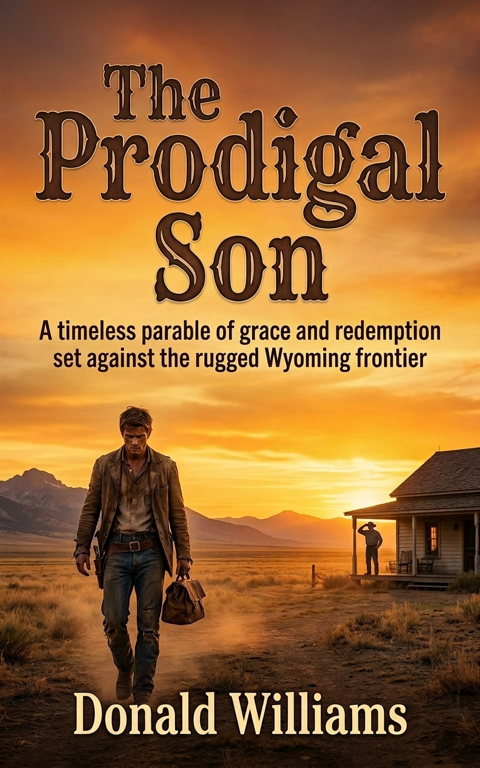
The Prodigal Son
Donald Williams retells the Bible's prodigal son in an old-west setting, the closest thing here to the frontier-and-faith mood of Janette Oke or Laura Frantz, minus the courtship. Tagged for family drama and an identity journey, which is exactly what the parable is. Start chapter one free →
-
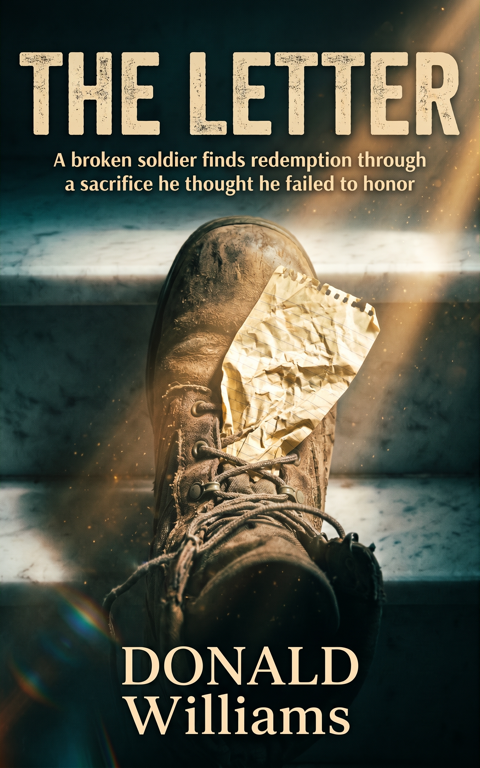
The Letter
Afghanistan. Lt. Greg Davis leads Bible studies with his squad each night, then gets handed Hector Cruz, a rebellious recruit out of LA, full of hate and resentment, and knows he has to break the kid to reach him. Tagged for PTSD, war, and survival, with ghost and demon elements listed too, so this one goes darker than a church-library shelf. Open the first chapter →
-
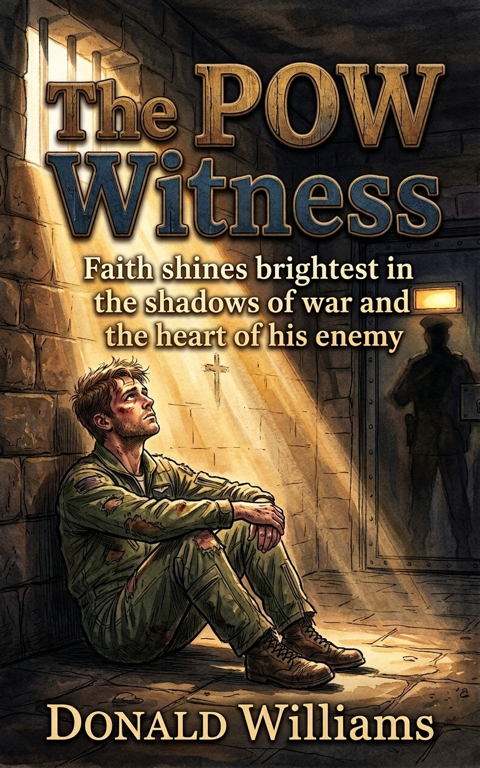
The POW Witness
An air force pilot is shot down behind enemy lines and held as a prisoner of war, and his faith holds through torture, to the point where the guards start wondering what it is he has. Squarely devotional in intent; expect scenes of mistreatment. Read the opening chapter →
-
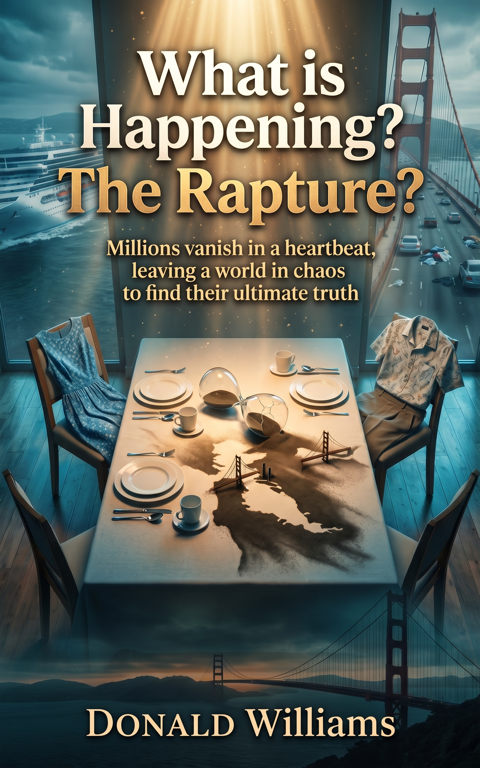
What is Happening? The Rapture?
Three separate scenes braided together, opening with a family arguing about a swimming party versus church and a pastor who will not stop talking about the rapture. Listed as thriller and Christian fiction, tagged for grief and loss — a contemporary end-times story rather than a historical one. Try chapter one →
Also on the platform and worth knowing about, though it isn't fiction at all: Scarlett Stoyer's The Kingdom Of God, a warm, conversational teaching text pitched at roughly a seventh-grade reading level. No plot, no romance — listed here so nobody clicks it expecting a novel.
Read free chapters in Christian fiction
Short answers
Is Christian historical romance always closed-door? Effectively yes. Mainstream Christian publishers hold that line, so intimacy happens off the page or after a scene break. A handful of indie authors push slightly further inside marriage, but if a book is sold as inspirational, assume the door shuts.
Can I read these if I'm not religious? The faith-flavored end, easily. Klassen and White read like any well-researched Regency or WWI-era novel with an unusually decent hero. The devotional end assumes you're interested in the theology, and reading it otherwise is like watching a sports film you don't care about the sport in.
Where should a lapsed reader restart? With a era you already love. The genre spans the Kentucky frontier to WWII North Africa, and picking by setting rather than by author is the fastest way to find a book you'll finish. Our what should I read next quiz is built for exactly that kind of narrowing, and the novella entry explains why so many of these come in short, fast instalments.