Ranked by era · Updated July 2026

Best Historical Fiction Novels: Ranked & Reviewed

Eleven novels, sorted the way readers of this genre actually browse it: not by star rating, but by which century you want to disappear into tonight.

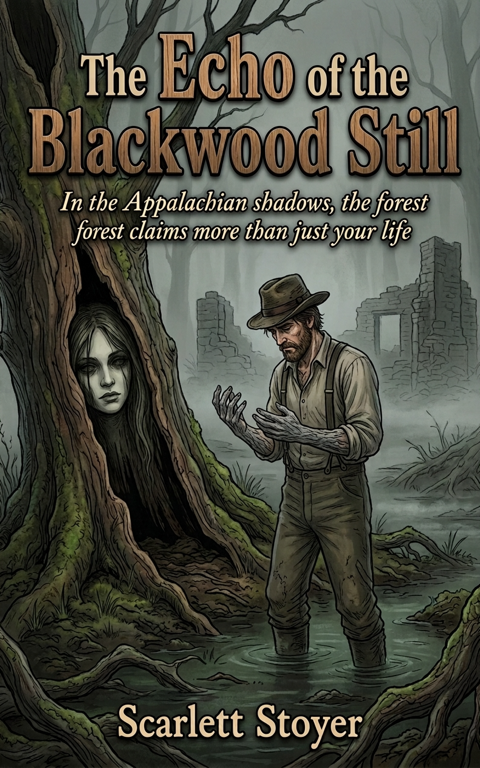
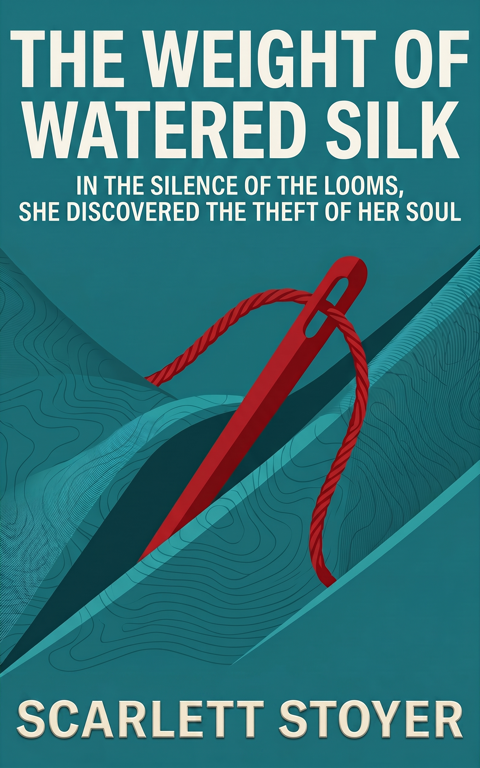
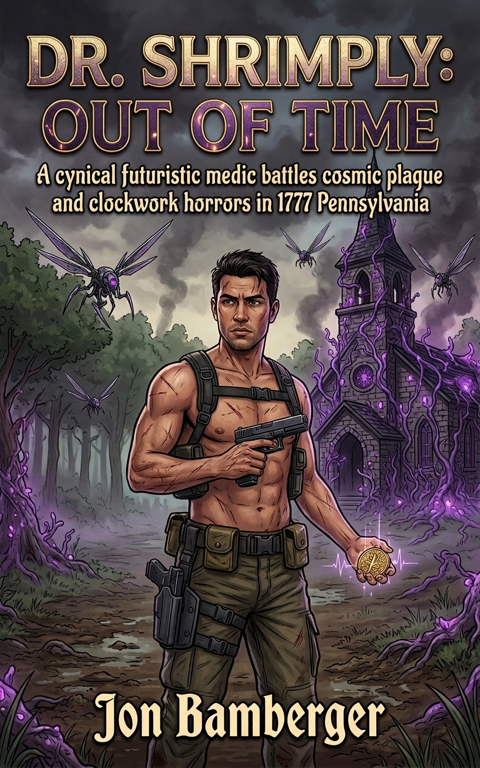
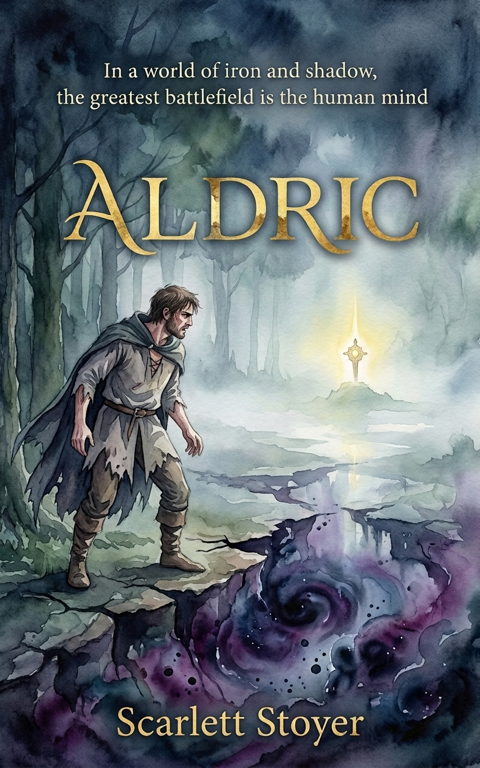
Aldric cover Shadows in the Mist cover The Echo of the Blackwood Still cover The Weight of Watered Silk cover Dr. Shrimply: Out of Time cover

Death introduces himself on page one of The Book Thief, then spends four hundred pages proving he isn't the scariest thing loose in Nazi Germany. Toni Morrison opens Beloved with a house so haunted the number 124 becomes a character. Historical fiction has always known that the past doesn't need embellishing to be terrifying, or tender, or funny; it just needs a novelist willing to sit inside it long enough to notice.

This list skips the usual approach of ranking everything 1 through 11 like the centuries are competing. Instead it's grouped by era, because that's the actual decision most readers make: not "give me the best historical novel of all time" but "I want the Tudor court tonight" or "I'm in the mood for the 1940s." Jump to whichever one is calling you, or read straight through — five eras, eleven books, zero padding.

How these eleven were picked

Two rules, applied without exception. First, the research has to survive contact with actual history — a novelist can invent dialogue and compress timelines, but the world underneath needs to hold up, which is why a few beloved-but-wobbly bestsellers didn't make the cut. Second, every book had to earn its era rather than just borrow its costumes: a novel set in 1920s Paris that could be moved to 2020s Brooklyn with a few word swaps isn't really historical fiction, it's contemporary fiction wearing a coat. Prizes and sales numbers are noted where they're true and relevant, but neither was a requirement — a couple of these were commercial hits, a couple were quieter successes that word of mouth kept alive.

⚔️Antiquity & myth

The Song of Achilles

Madeline Miller · 2011 · won the Orange Prize for Fiction, 2012

Miller narrates the Trojan War through Patroclus, the exiled prince who becomes Achilles' closest companion, and turns a story everyone half-remembers from school into something that actually hurts. The gods show up as background menace rather than special effects. The prophecy hanging over the whole book is one you already know the ending to, and Miller makes you dread it anyway. Start here if "historical fiction" sounds too dry — this reads more like a tragedy that happens to be three thousand years old.

👑Tudor court

Wolf Hall

Hilary Mantel · 2009 · winner, Booker Prize

Thomas Cromwell, blacksmith's son turned the most feared man at Henry VIII's court, told almost entirely from inside his own head in a close, present-tense third person that Mantel more or less invented for this book. It's slower than the other Tudor novels here and rewards the patience: you watch a man build his own downfall one useful favor at a time. If you've only seen the Anne Boleyn story from her side, this is the version where she's a supporting character in someone else's ambition.

The Other Boleyn Girl

Philippa Gregory · 2001

Same court, opposite approach: pure soap opera, narrated by Mary Boleyn as she watches her sister Anne out-maneuver her into the queen's bed and then lose her head for it. Gregory plays fast with the historical record in places, which she's been honest about in interviews, and the book is better for it — this is the Tudor court as a family that destroys itself, not a history lecture. Easiest entry point on this whole list.

Girl with a Pearl Earring

Tracy Chevalier · 1999

A quieter register entirely: a maid in Vermeer's Delft household becomes his most famous model, and Chevalier builds an entire inner life for a girl history left completely blank. Almost nothing happens by thriller standards — a household, a painting, a glance that lasts a beat too long — and it's riveting anyway, because Chevalier trusts you to feel the danger in a servant girl catching her employer's attention in 1660s Holland.

🌊19th century & its aftermath

Beloved

Toni Morrison · 1987 · won the Pulitzer Prize for Fiction, 1988

Loosely rooted in the real case of Margaret Garner, an escaped enslaved woman who killed her own child rather than see her recaptured, and told through a haunting that refuses every polite reading. Morrison doesn't soften a single page of it. This is the book on the list that will not let you finish it as comfort reading, and it isn't supposed to.

Homegoing

Yaa Gyasi · 2016 · debut novel

Two half-sisters in 18th-century Ghana never meet: one marries a British slave trader, the other is sold into slavery herself. Gyasi then follows each line of descendants forward, one chapter per generation, all the way to the present. The structure is the trick — you get maybe twenty pages with each character before the book moves on, and somehow that's enough to make every single one land. Ambitious in a way debuts rarely attempt, and it earns the reach.

The Water Dancer

Ta-Nehisi Coates · 2019 · debut novel

Coates gives his enslaved narrator, Hiram Walker, a power tied directly to memory: he can "conduct" himself and others across distance, but only by holding onto what he's lost clearly enough to move through it. It's historical fiction with one foot in magical realism, and the metaphor is doing real work rather than decoration — memory as both wound and escape route. Denser and stranger than the rest of this section, in a good way.

✈️World War II

The Book Thief

Markus Zusak · 2005

Narrated by Death, who has, in his defense, a lot on his plate in 1939 Germany. Liesel Meminger steals books she can barely read yet, and the neighbors hiding a Jewish man in their basement give the story its quiet center. Zusak's Death is chatty, tired, and weirdly funny, which sounds like it shouldn't work next to the subject matter and somehow does.

All the Light We Cannot See

Anthony Doerr · 2014 · won the Pulitzer Prize for Fiction, 2015

A blind French girl hiding in occupied Saint-Malo and a German boy conscripted into hunting resistance radio signals are set on a collision course across alternating short chapters. Doerr writes the girl's blindness as a sensory upgrade rather than a limitation — you feel Saint-Malo through sound and touch before you ever see it. The two threads take most of the book to actually meet, and the wait is the point.

The Nightingale

Kristin Hannah · 2015 · Goodreads Choice Award, Best Historical Fiction, 2015

Two sisters in Nazi-occupied France choose opposite kinds of resistance: one hides downed Allied airmen in her cellar, the other walks escaped soldiers over the Pyrenees on foot. Hannah writes the domestic-versus-active-resistance split as a real argument between two people who love each other, not a lesson. The most straightforwardly emotional book on this list — bring tissues, ignore anyone who calls that a flaw.
🌏20th-century global

Pachinko

Min Jin Lee · 2017 · finalist, National Book Award

A Korean family emigrates to Japan in the early 20th century and spends four generations as second-class citizens in a country that never lets them forget it, even the ones born there. Lee's real achievement is patience: she'll spend a whole chapter on a pachinko parlor's daily grind and make it carry more weight than a battle scene. If your historical-fiction diet has been mostly Europe, this is the one to break the pattern with.

Which one to start with tonight

New to the genre and want the least homework: The Other Boleyn Girl or The Book Thief, both built to be devoured in a weekend. Want something that will actually stay with you for a week: Beloved or Homegoing, and go in rested. In the mood for a slow, prestige-drama burn: Wolf Hall. And if none of these are quite the era you're craving, the read-next quiz takes about ninety seconds and asks better questions than "what genre do you like."

📜Read historical fiction free on NanoReads

The eleven above are all traditionally published — library or bookstore territory. For something you can start on your phone in the next thirty seconds, NanoReads hosts indie historical serials in ten-minute chapters, chapter one always free. Grouped by the same eras as the list above:

Prefer your period drama with a war between kingdoms instead of an actual kingdom: the fantasy hub is one shelf over. Library hold on something above stuck at "position 40 of 40"? The Galatea comparison covers where else to read while you wait, and NanoReads costs nothing for chapter one either way.