Most christian self-help books fail their readers for the same reason. The reader needed a different ratio. Someone three weeks into a panic spiral gets handed a devotional, meets forty verses and no instructions, and decides the genre is pious wallpaper. Someone else wants to hear from God and gets a therapist's workbook with a Psalm stapled to each chapter, and feels cheated. Both books might be good. They were built for different people.
So this list is a dial. Number one sits at the Scripture end: mostly Bible, some application. Number ten is at the psychology end: clinical frameworks, with the theology running underneath. The middle is where most readers land. Read the ones near your end of the dial, not the ones with the most five-star reviews.
🧭Where are you on the dial?
Tick whichever are true tonight
- I mostly want to feel close to God again, and fixing things can wait.
- I know the verses already. I don't know what to do on Tuesday morning.
- My problem has a name a counselor would use: anxiety, burnout, codependency.
- Someone hurt me and I'm told I should forgive them.
- I'm doing too much, church stuff included.
Mostly the first box? Start at picks 1 to 3. Second or fifth: 4 to 6. The third: 8 to 10 will serve you better than anything with "devotional" on the spine. The fourth box has its own book, number 7, and nothing else here comes close to it.
📖The ten, from verse to technique
-
90% Scripture
The Purpose Driven Life — Rick Warren
The best-selling book in the genre, and it opens by telling you it isn't about you. Warren builds forty days around five purposes (worship, fellowship, discipleship, ministry, mission), and each chapter closes with a verse to memorize and a question to think over. It's a book for someone asking "what is my life for?" If your question is "how do I sleep again?", look further down.
-
80% Scripture
Anxious for Nothing — Max Lucado
Lucado spends a whole book on two verses and turns them into a memorable acronym, CALM: celebrate God's goodness, ask for help, leave your concerns with Him, meditate on good things. It's gentle and quick, easy to read in one bad evening. His aside that anxiety isn't a sin makes the book worth reading on its own. Clinical anxiety needs more than this, and Lucado says as much.
-
70% Scripture
Winning the War in Your Mind — Craig Groeschel
A pastor's book that borrows a little neuroscience: thoughts wear grooves in the brain, and you can cut new ones. Groeschel's method is to find the lie you keep repeating and write down the true sentence you'll replace it with. It reads like a sermon series, punchy and full of stories. Good for a reader who'll act on a system if it's handed to them.
-
60% Scripture
Liturgy of the Ordinary — Tish Harrison Warren
Each chapter takes one bit of an ordinary day, like making the bed, brushing your teeth or losing your keys, and finds the sacred in it. It's barely self-help in the usual sense. Nothing here gets fixed, but by the end the dishes seem to count for something. Try it if church-level faith feels far away from your actual Tuesday.
-
50 / 50
The Ruthless Elimination of Hurry — John Mark Comer
Comer was a megachurch pastor who burned out, and this is what he rebuilt from. He treats the Sabbath, silence, simplicity and slowing down as practices you schedule, and the chapter on Sabbath works as a set of instructions. If your calendar is full of good church things and you're still exhausted, this is the one.
-
50 / 50
Get Out of Your Head — Jennie Allen
Allen covers ground close to Groeschel's, but she's more personal about it and the book is aimed more at women. She names the thought spirals she's lived in (distraction, cynicism, victimhood) and gives each one an opposite choice to practice. The chapter on noise and distraction is the best in the book, and it's the one people underline.
-
40% Scripture
Forgiving What You Can't Forget — Lysa TerKeurst
This is the book to hand someone who's been told to "just forgive." TerKeurst separates forgiving from reconciling, and she's firm that you can forgive someone and still keep a boundary with them. She writes from inside her own betrayal, and that honesty is why readers trust her. Heavy going. Don't start it on a day you're already fragile.
-
30% Scripture
The Next Right Thing — Emily P. Freeman
A decision-making book for people who freeze. Freeman's suggestion is almost embarrassingly simple: skip the five-year plan and work out the next right thing. There are short reflective chapters, some list-making and a prayer at the end of each. It's quiet, and good for anyone sitting on one big decision.
-
20% Scripture
Emotionally Healthy Spirituality — Peter Scazzero
Scazzero's argument is that you can't be spiritually mature and emotionally immature at the same time, and plenty of churchgoers try. He asks you to map your family history and grieve your losses before you go looking for growth. This one feels most like therapy of the ten, and it's the one that goes after church culture itself.
-
10% Scripture
Boundaries — Henry Cloud & John Townsend
It has been in print for more than thirty years because it answers one question well: when is saying no allowed? The authors are clinicians, and the book covers family, work, marriage and your own habits with case studies. There's a Scripture basis, but mostly it's a toolkit. Read it if you're the person everyone relies on and nobody checks on.
Not sure which end you're on? The read-next quiz is built for fiction, but its mood questions will narrow things down if you answer honestly.
⏱️Which one tonight
If you only get through one chapter before bed, Anxious for Nothing is the safest pick; its chapters are built for that. If you have a whole weekend and something is actually wrong, go with Boundaries or Forgiving What You Can't Forget, whichever matches the thing that's wrong. Skip The Purpose Driven Life as a crisis book. It's for a steady season, when there's room to ask bigger questions.
One more thing: this genre has a fiction twin. Some readers take their faith-and-growth in story form, a character who has to forgive the unforgivable across three hundred pages. If that's you, the Christian fiction hub collects the stories, the definition of Christian fiction explains where the edges of the genre are, and faith-led historical romance is where the forgiveness plots get most attention.
📚Read free on NanoReads
An honest count first. The NanoReads catalogue has 41 nonfiction titles, and 13 of them are shelved under religion or spirituality. These are indie authors, not the publishers behind the ten above, so the books are shorter and plainer. You can read the first chapter of any of them before deciding.
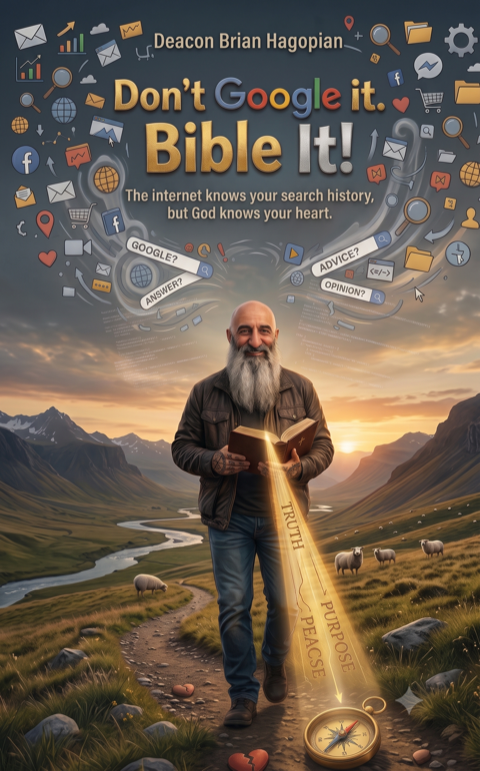
The closest thing here to a real Christian self-help book. It uses the Bible as a reference for everyday questions: parenting, marriage, money, grief, bitterness, discipline. Pure Scripture-end.
Open chapter 1 →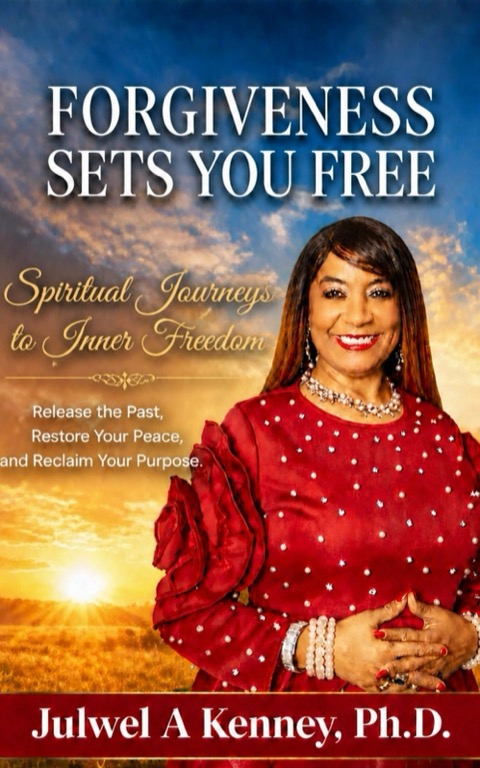
Treats forgiveness as an inner shift, not just letting the past go. A shorter companion to pick 7, sitting nearer the psychology end.
Start it free →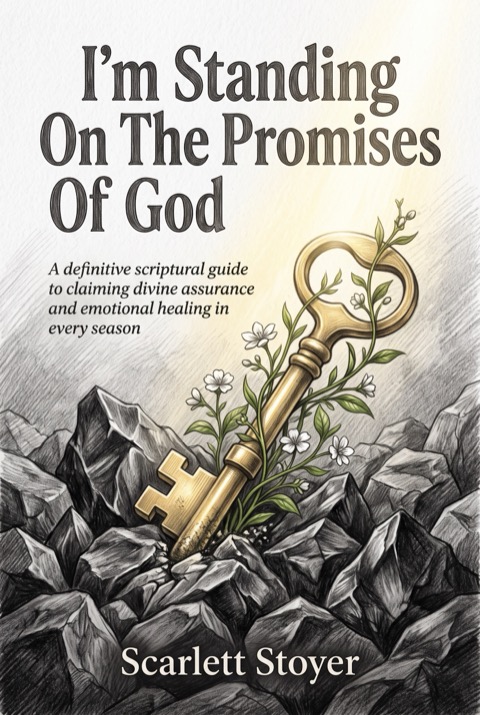
The Bible's promises, listed one by one, each with its scripture reference and a short explanation. A reference book to dip into, not to read straight through.
Read the first promises →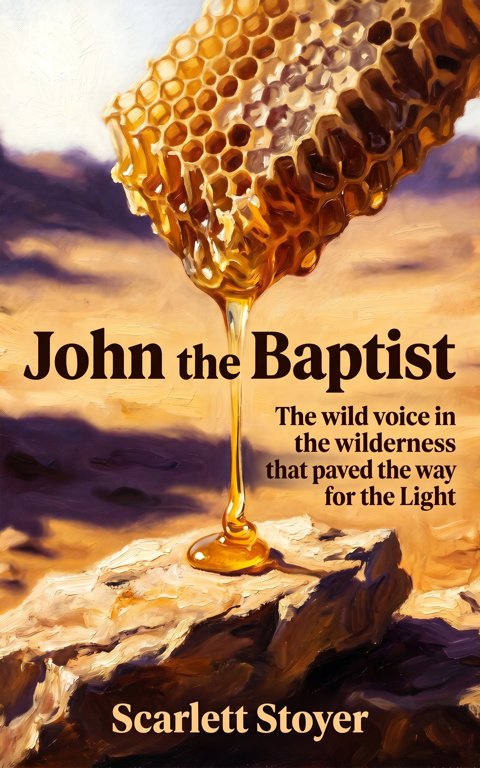
The same author, now telling the life of John the Baptist. Her blurb calls it a novel, so expect story rather than advice.
Chapter 1 is free →
Not a faith book, to be clear. It's a practical guide to men's health priorities from your 20s onward, and it's here for the reader whose growth plan includes the body.
Try the first chapter →For secular self-help sorted by problem (burnout, people-pleasing, grief), see the self-help list organised by what actually helps. Other free reading, fiction included, is on the free novels shelf.