Is the enemy in your head, or in the room?
Ask ten Christians and you'll get at least three answers, and every spiritual warfare book on the market is built on one of them. Joyce Meyer says the battle is mostly in your thoughts. Neil Anderson says it's about what you believe about who you are. Derek Prince says some of it needs to be cast out. The Puritans said yes to all of it, at great length. Buy the wrong book for your church background and it will either feel tame or alarming.
So this list is not ranked by popularity. It's sorted by where each author locates the battle, with a small tag for the tradition each comes from. Read the front that matches what you were taught first. Then, if you want to understand the Christian down the pew from you, read one from a different front.
Not here: books on anxiety, habits and thought patterns from a general faith angle, such as Craig Groeschel's Winning the War in Your Mind. Those live in our Christian self-help books list. For the wider, interfaith shelf, see spiritual books by tradition.
Front 1: the mind
Battlefield of the Mind
The best-selling book in the category, and the gentlest door into it. Meyer's argument is simple: the devil's main weapon is a lie you keep thinking, so the main defense is noticing it and replacing it with scripture. She names the "wilderness mentalities" that keep people stuck, and her own history of childhood abuse gives the plain advice weight. Start here if the phrase "spiritual warfare" makes you nervous.
Front 2: identity
Victory Over the Darkness
Anderson taught at Talbot School of Theology, and it shows: this is the most structured book on the list. Its claim is that most believers lose not to demons but to a wrong picture of themselves, and it spends chapters on identity before it ever gets to the enemy. Its companion, The Bondage Breaker, carries his "Steps to Freedom in Christ," a guided prayer process many churches still use. Read Victory first; Bondage Breaker assumes it.
Front 3: prayer
Fervent
Released alongside the film War Room, in which Shirer starred. Each chapter takes one area the enemy targets, like passion, focus, family or your past, and ends with you writing your own prayer "strategy" for it. It is a workbook as much as a book, and readers who finish it tend to have a stack of handwritten prayer cards. The most practical pick here for a group.
Front 4: the Puritan armory
Precious Remedies Against Satan's Devices
A London minister lists the devil's tricks one by one, like making sin look small or making repentance look easy to do later, and gives several "remedies" for each. The format is a 370-year-old field manual, and it is startlingly modern about how temptation actually feels. Free in the public domain. Read one device a day.
The Christian in Complete Armour
Ephesians 6 taken one piece of armor at a time, over a thousand pages in the unabridged edition. Almost nobody reads it cover to cover, and you shouldn't try. Buy an abridged daily-reading version and use it like a devotional. Spurgeon praised it highly, which is the usual reason people pick it up.
Front 5: deliverance
They Shall Expel Demons
A Cambridge-trained philosopher turned Bible teacher on what he saw in decades of deliverance ministry. Prince is measured in tone even when the content is not, and he spends real time on how to tell a demonic problem from an emotional or medical one. If you are going to read one deliverance book, read this one.
Pigs in the Parlor
The handbook that much of the modern deliverance movement grew from, complete with lists of demon "groupings." It is on this list because you will hear it quoted, not because we recommend starting with it. Critics, including many charismatics, object to its treatment of mental illness, especially its chapter on schizophrenia. Read it to understand the movement, with that warning in mind.
3 Crucial Questions About Spiritual Warfare
A New Testament scholar who wrote on Ephesians takes the three questions the deliverance debate keeps circling, including whether a Christian can be demonized, and answers them from the text. Short, careful and rarely sensational. The book to hand someone who has read Pigs in the Parlor and is now worried.
Front 6: the imagination
The Screwtape Letters
A senior devil writes to his nephew, a junior tempter, with advice on ruining one ordinary Englishman. The tempters never use anything spectacular, just distraction, irritation with his mother, and small comfortable sins. That's the book's whole thesis on spiritual warfare, delivered as comedy. Thirty-one short letters; one a night is right.
This Present Darkness
In a small college town called Ashton, a newspaper editor and a struggling pastor stumble on a plot to take over the town, while angels and demons fight overhead, their strength rising and falling with how much the saints pray. It sold millions and shaped how a generation of evangelicals pictured the unseen world, for better and worse. Read it as a thriller first. The swordfights are excellent.
A word if you're struggling with anxiety or intrusive thoughts
Readers with anxiety or OCD sometimes find that deliverance-heavy books feed the fear instead of calming it, especially the lists of symptoms. If that happens, put the book down. The Mind and Identity fronts above tend to steady people; the Deliverance front tends to unsettle. A pastor and a doctor together are not a lack of faith.
🛡️Free on NanoReads
Four faith reads in the catalog line up with the fronts above. Each is labeled with the front it fits best, and all open with a free first chapter.
-
 Free ch. 1
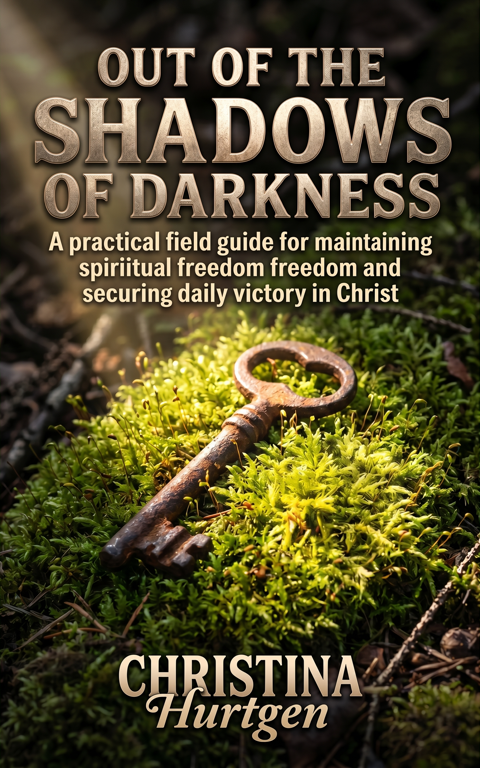
Out of the Shadows of Darkness
Christina Hurtgen · Deliverance front
The closest match to the page title in our catalog. Hurtgen's description pitches a practical, step-by-step guide for people who want to keep a lasting spiritual defense after deliverance, with biblical strategies for spotting leftover vulnerabilities and "closing doors" to demonic influence. It is tagged demon, faith and horror, so expect frank content. Prince readers should start here: read the first chapter free.
-
 Free ch. 1
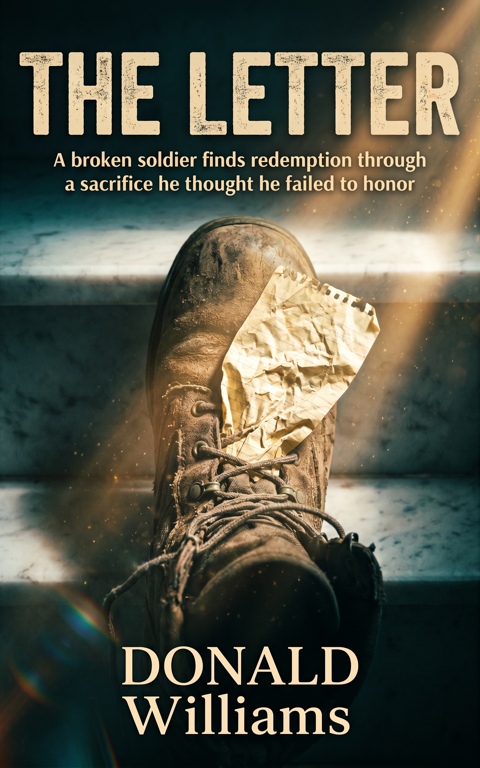
The Letter
Donald Williams · Imagination front (fiction)
For Peretti fans. A Christian squad leader in Afghanistan prays nightly with his men and takes on a recruit off the LA streets who is full of hate. Tagged for ghosts, demons, PTSD and war, so it is darker and more physical than Ashton's angels. Chapter one is free.
-
 Free ch. 1
Starting Over
Stephen "ZuRich Francis" Williams · Identity front, lived
A testimony rather than a theory: drinking into a hospital bed, divorce, a repossessed car, selling drugs, a betrayal by a best friend, and faith carrying him to a new start on the West Coast. If Anderson's book is the map, this is someone's actual route. Start reading free.
-
 Free ch. 1
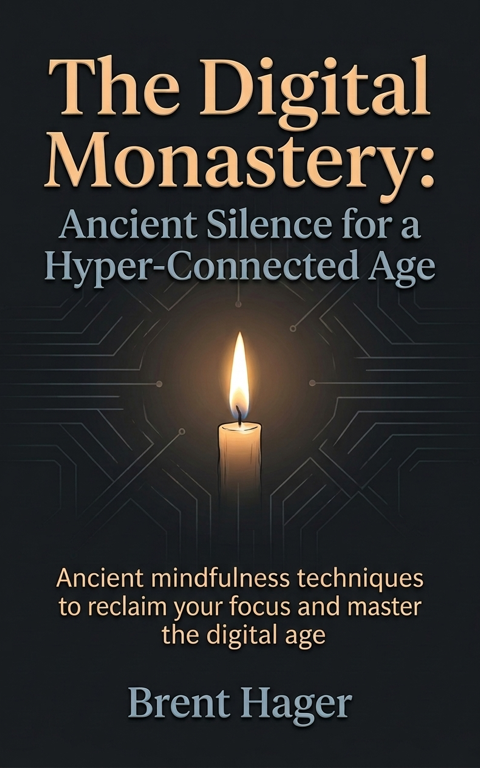
The Digital Monastery
Brent Hager · Mind front, modernized
Screwtape's tempters relied on distraction; Hager's book is about the distraction machine in your pocket. It applies monastic silence and mindfulness to constant connectivity, aiming at attention span and mental overload. It isn't framed as warfare, but Meyer readers will see the overlap. Read chapter one free.
If the fiction is what pulled you in, the Christian fiction shelf has the rest of the catalog's faith stories, and Christian fantasy books covers the Narnia-to-Dekker end of the imagination front. The Christian fiction glossary entry explains where Peretti sits in the genre's history. Not sure which one fits? The read-next quiz asks a few questions and picks for you.
Questions readers ask
Do I have to believe in literal demons to get something from these books?
No, but it helps to know which books assume it. Battlefield of the Mind, Fervent and the two Puritans are useful to almost any Christian reader. Pigs in the Parlor and They Shall Expel Demons assume active demonic influence on believers and won't make sense if you reject that premise.
I'm Catholic. Where should I start?
Most of this list comes from Protestant traditions. Catholic readers usually start with An Exorcist Tells His Story by Fr. Gabriele Amorth, the longtime exorcist of the Diocese of Rome. The Screwtape Letters also travels well across traditions.
Is there spiritual warfare fiction besides This Present Darkness?
Yes. Peretti's own sequel, Piercing the Darkness (1989), is the obvious next read. The Screwtape Letters is fiction too, in letter form. On NanoReads, The Letter by Donald Williams is a war novel tagged for demons and ghosts, and its first chapter is free.
Which book should a small group read together?
Fervent is built for it: short chapters, each ending with a prayer you write yourself. 3 Crucial Questions About Spiritual Warfare suits a group that wants to argue about the theology before practicing anything.