That definition is wide on purpose. Spiritual books cover a two-thousand-year-old Hindu dialogue on a battlefield and a rabbi's book about losing his son, a Trappist monk's memoir and a set of prose poems from Lebanon. What they share is a request. A theology textbook wants you to understand; a spiritual book wants you to do something on Tuesday, whether that is keeping a day of rest, sitting still for twenty minutes, or praying while washing the dishes.
Below are twelve, sorted two ways at once: by the tradition each comes from, and by the need that tends to send people looking. I have tried to describe each on its own terms, without ranking one faith over another. If your question is specifically about awakening, the inner shift that Tolle and Singer write about, we covered that separately in spiritual awakening books for the start of the inner journey, and none of those titles repeat here.
Twelve books, by tradition and by need
The Bhagavad Gita
A prince refuses to fight, and his charioteer, who turns out to be Krishna, talks him through duty, action and detachment in eighteen short chapters. Easwaran adds an introduction to each one, which makes it the easiest door for a first-time reader. Read it when you have to act and cannot make yourself care about the outcome.
Tao Te Ching
Eighty-one short chapters on yielding, emptiness and the strength of water. Le Guin worked on her version for decades, presents it as an English version rather than a scholarly translation, and her notes are frank about where she chose plainness over scholarship. You can read it in an hour, and most people who own it keep it by the bed.
Zen Mind, Beginner's Mind
Edited talks from the teacher who founded the San Francisco Zen Center, mostly about posture, breathing and why sitting matters. The famous idea is in the title: a beginner sees many possibilities, an expert few. Gentle, plain and very practical, which surprises readers expecting riddles.
The Practice of the Presence of God
A Carmelite lay brother who worked in a monastery kitchen said he felt as close to God turning an omelette as at the altar. The book is a handful of his letters and conversations, and it fits in a pocket. The one practice it teaches is constant, quiet conversation with God through the day's chores.
The Seven Storey Mountain
A restless, clever young man drifts through Cambridge and Columbia and ends up a Trappist monk at Gethsemani in Kentucky. The young Merton is sometimes insufferable and the older Merton knew it, which is part of the charm. Read it if your own path has been crooked.
Mere Christianity
Built from radio talks Lewis gave during the Second World War, so it is conversational and argued point by point rather than preached. Plenty of people disagree with his conclusions, and it is still worth reading for how fairly he lays out the questions a sceptic would ask.
The Sabbath
Heschel calls the Sabbath a palace in time: holiness built out of hours instead of stone. It is short and lyrical, and it reframes rest as something sacred rather than something you earn. Readers of every faith and none have taken up a weekly screen-free day because of it.
When Bad Things Happen to Good People
Written after Kushner's son Aaron died young of progeria. His answer to the old question is that God is not doing this to you, which comforts some readers and troubles others. Either way it is kind, plainly written, and one of the books most often handed to people at funerals.
The Essential Rumi
The reason most English readers know Rumi at all. Barks works from existing translations rather than from the Persian, and critics have pointed out that his versions soften the poems' Islamic roots, so read him as a door into Rumi rather than the whole house. The poems on the reed flute and on the guest house are the place to begin.
The Prophet
A prophet about to sail home is asked by the townspeople to speak on love, marriage, children, work, death, and he answers in short prose poems. The chapters on marriage and on children are the ones most often read aloud at weddings. It belongs to no single tradition, which is what makes it a good first spiritual book.
The World's Religions
Smith takes each great tradition at its best and explains it from the inside, the way an admiring guest would. It first came out as The Religions of Man and has been revised since. Read it before the scriptures if you do not yet know which one is calling you.
Gift from the Sea
A short meditation written on a beach holiday, each chapter built around a shell. Lindbergh writes about the scattered life of a wife and mother and her need for time alone with an honesty that still lands. Not tied to any doctrine, though prayer and the sacred run underneath.
Before you pick one: a five-point check
Tick whichever are true. Most of the mismatches readers report come from skipping one of these.
Spiritual reads on NanoReads
NanoReads is mostly a fiction platform, but a small shelf of spiritual and faith writing has grown on it, almost all of it from independent authors, much of it personal. None of it is a classic yet. Chapter one of each is free, so you can tell in a few minutes whether a voice suits you.
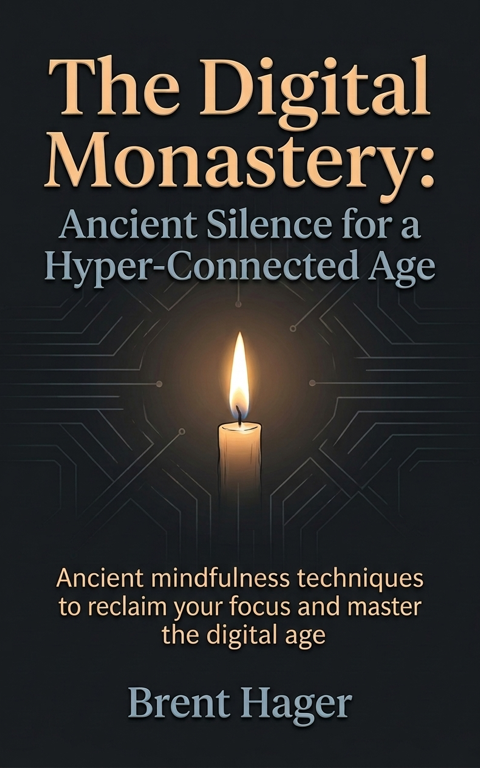

If Heschel's Sabbath spoke to you, The Digital Monastery by Brent Hager is its closest neighbour here: monastic silence adapted for a life lived on a phone, with mindfulness techniques aimed at attention span and mental overload. You can read its first chapter free.
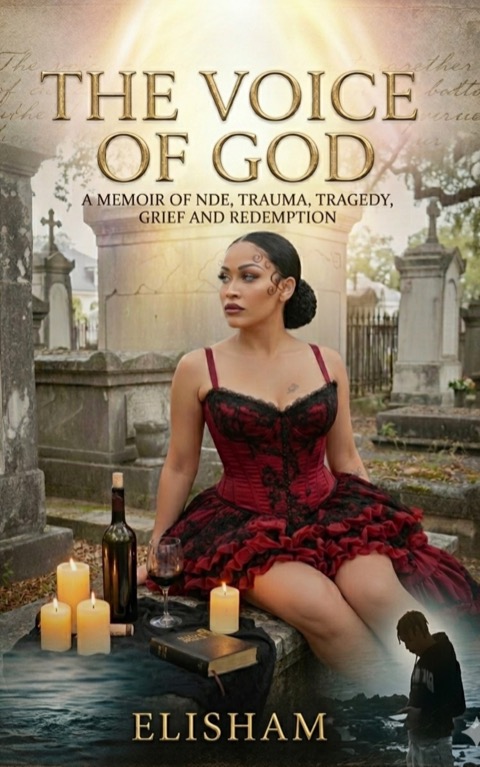
Two are memoirs of faith under pressure. The voice of God is a mother's account of deep grief and the moment she felt God present as she buried her son; the author says plainly she wants it raw, so go in ready for that. Starting Over covers drinking into a hospital bed, divorce, a repossessed car and a cross-country move, and faith as the thing that held. Kushner readers will recognise the territory. Both open free.
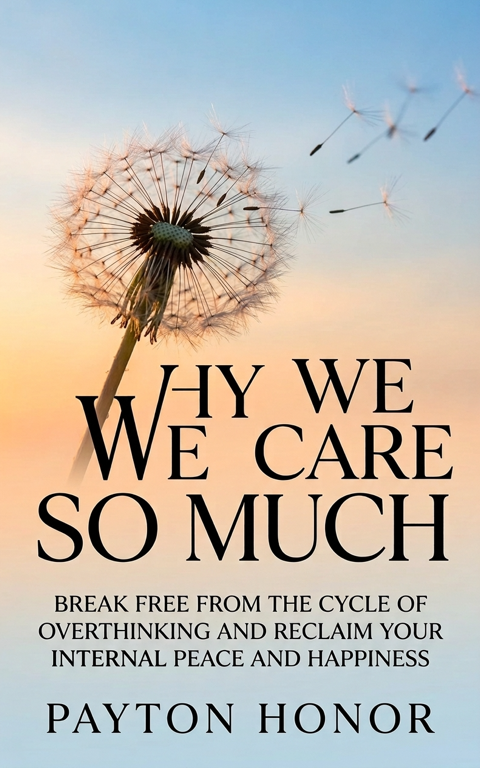
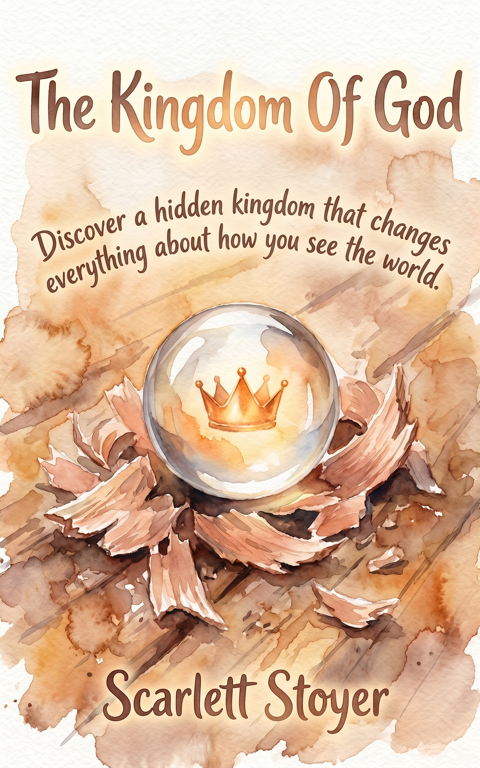
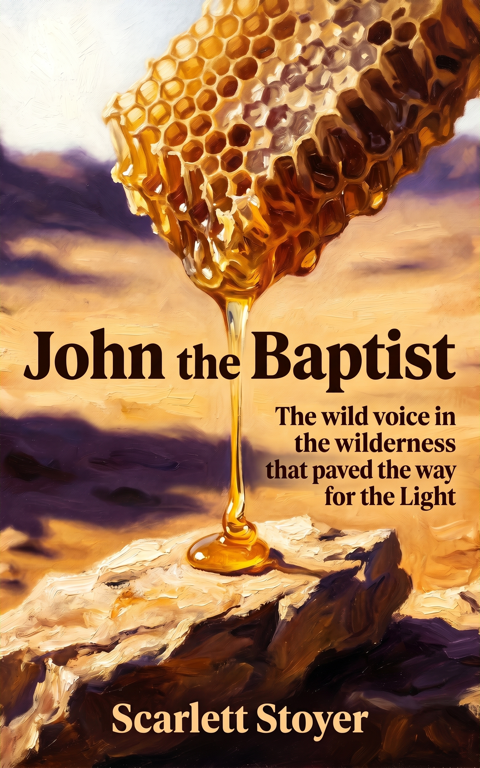
Why we care so much is a short, personal book about overthinking small things and how caring too much can eat your happiness, closer to the Tao Te Ching's letting go than to any doctrine. For Christian readers, Scarlett Stoyer has two: The Kingdom Of God, a warm, simply pitched teaching on what the phrase means, and John the Baptist, a novel of his life. Start either with a free chapter.
For faith in story form, the Christian fiction hub collects the serials, and our glossary entry on Christian fiction explains where the genre's lines fall. If you would rather work on habits and anxiety from a faith angle, see Christian self-help books. And if you are not sure what you want, the read-next quiz will make a suggestion in about a minute.