A spiritual awakening is the moment you notice that you are not the same thing as the voice narrating your life, and that there's something underneath it that's quieter and harder to name. Traditions call it different things: waking up, enlightenment, conversion, kensho, being born again. The books disagree about what you've woken up to. They agree on the shape of it: something you took to be the whole of you turns out to be one part.
That's why the best spiritual awakening books don't have much in common on the surface. A Vietnamese monk's letter about washing dishes and a sixteenth-century Spanish poem written after its author escaped from prison are doing the same job by very different routes. So this list isn't ranked. It's sorted by doorway, meaning the way each book gets you in, because the right door depends on where you're standing.
🚪 The question: who is doing the thinking?
For people who live in their heads and suspect that's the problem.
The Power of Now — Eckhart Tolle
Tolle opens with his own night at twenty-nine, when the thought "I cannot live with myself any longer" stopped him: who was the "I," and who was the self it couldn't live with? The rest of the book is Q&A, with a skeptical reader asking and Tolle answering. That format makes the book easier to dip into than to read straight through, and that suits it.
Tomorrow: watch one thought arrive without following it anywhere.
Skip it if you need arguments. Tolle asserts and doesn't argue.
The Untethered Soul — Michael A. Singer
Singer's central image is the voice in your head as a roommate who never stops talking, and you as the one who hears it. It's the most practical book in this group and the plainest. There's no tradition to learn and no vocabulary to pick up. If The Power of Now felt slippery, this is the same territory with handrails.
Tomorrow: when you feel yourself close up in a conversation, notice it and stay open on purpose.
Waking Up — Sam Harris
A neuroscientist and a well-known critic of religion argues that the experience mystics describe is real, and that you don't need to believe anything to look for it. Harris writes about his years on meditation retreats and treats the loss of a sense of self as something you can test for yourself. It's the door for readers who'd rather not set foot in a church or an ashram.
Tomorrow: ten minutes, eyes closed, looking for the one who's looking.
Skip it if you came to spirituality through faith. His views on religion run all through it.
🍵 The practice: do the ordinary thing completely
You're tired of reading about it and want something to do with your hands.
The Miracle of Mindfulness — Thich Nhat Hanh
It began as a letter Thich Nhat Hanh wrote during the war to a colleague at the School of Youth for Social Service in Vietnam, for relief workers who were burning out. Its most famous instruction is to wash the dishes in order to wash the dishes, and not to get them done. There's a tangerine eaten one segment at a time. Of everything here, it's the gentlest and the easiest to start.
Tomorrow: wash one cup as if it were the only thing you had to do today.
🧘 The teacher: someone went first
Some of us only believe it once we've watched it happen to someone else.
Autobiography of a Yogi — Paramahansa Yogananda
Yogananda's account of growing up in India, finding his guru and bringing yoga and meditation to America in 1920. It's full of miracles, told in a completely matter-of-fact way, and it asks you either to take them on faith or to read them as the language of a different tradition. Steve Jobs had copies handed out at his memorial service, which is the fact everybody knows about it.
Tomorrow: ask who your teachers have been, including the ones you didn't choose.
Skip it if miracles on every page will make you put a book down.
Be Here Now — Ram Dass
Richard Alpert was a Harvard psychology professor who lost his job in the psychedelic era, travelled to India and met the teacher Neem Karoli Baba, who named him Ram Dass. The opening section tells that story. The middle is printed on brown paper and hand-lettered, more poster than prose, and that's where most readers either fall in love or give up.
Tomorrow: pick one page of the middle section and keep it on your desk.
🌑 The dark night: it starts when things break
For people whose awakening arrived as a loss.
Dark Night of the Soul — St. John of the Cross
John was a Carmelite friar who was imprisoned by members of his own order, escaped, and wrote a poem about a soul going out at night to meet God, followed by a long commentary on it. The phrase "dark night of the soul" now gets used for the painful stretch that so often comes before an awakening, when the old meanings stop working and the new ones haven't arrived. This is where that phrase comes from. It's dense, so choose a modern translation.
Tomorrow: stop treating the dry stretch as failure. John calls it the work.
When Things Fall Apart — Pema Chödrön
An American Buddhist nun writes about groundlessness, the feeling of everything giving way, and says you should stay with it rather than scramble for something to hold. The chapters grew out of talks she gave at her abbey in Nova Scotia, so each one is short and stands alone. You can read it in five-minute pieces when you can't concentrate, which is exactly when most people pick it up.
Tomorrow: when you feel the urge to fix the feeling, wait a full breath first.
📜 The story: someone else's whole life
Best if you learn by watching a character get it wrong for years first.
Siddhartha — Hermann Hesse
A brahmin's son in the Buddha's time leaves home, tries asceticism, meets the Buddha and doesn't follow him, then gets rich and miserable in the city before ending up as a ferryman learning from a river. The point Hesse keeps making is that nobody can hand you the awakening, not even the Buddha. It's short enough for a weekend and still gets assigned in schools, so you may already own a copy.
Tomorrow: sit near water, any water, for ten minutes without your phone.
🧭If you only read one
New to all of it: The Miracle of Mindfulness. Skeptical: Waking Up. Grieving or in crisis: When Things Fall Apart. Christian and looking for depth in your own tradition: Dark Night of the Soul, and then our christian self-help list, which sorts ten faith-based books by how much Scripture they carry. Looking for something grounded and practical about your own life rather than the mystical side: our self-help books for women roundup covers burnout, grief and boundaries.
📖Faith and spirit, free on NanoReads
We have fourteen titles in the religion and spirituality shelf, and I'll say up front that most of them come from the Christian tradition, written by pastors, deacons and lay believers rather than by famous teachers. Only one is about contemplative practice in the Tolle or Thich Nhat Hanh sense. Each description below comes from the book's own blurb.
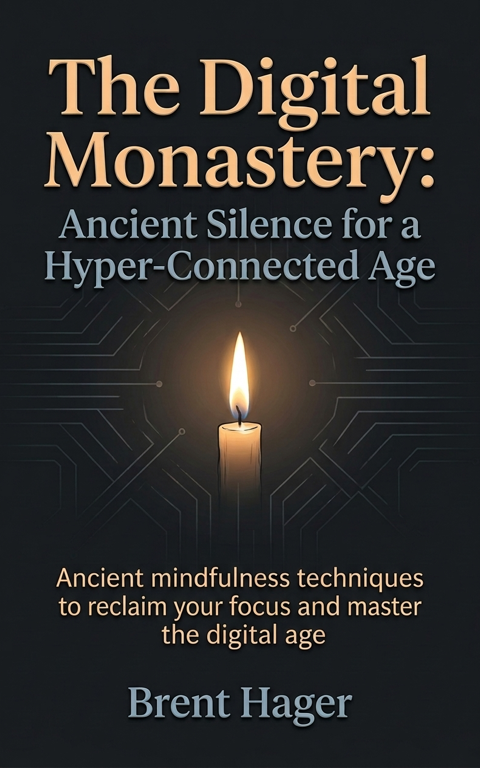
Monastic silence brought into a life lived on a phone. The closest thing here to the practice doorway above.
Read chapter one free →
A memoir of deep grief, built around the moment the author felt God present as she buried her son. A dark-night book, in the plainest sense.
Start her story →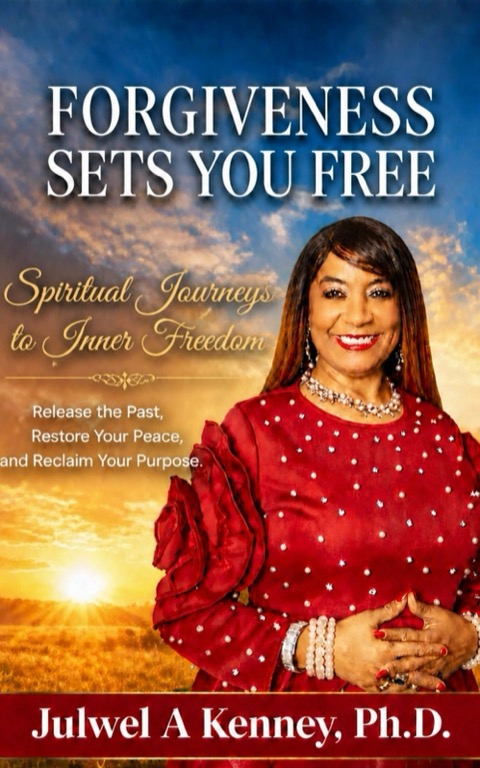
Argues that forgiveness is an internal shift rather than a favor to the person who hurt you. Pairs well with Chödrön.
Open the first chapter →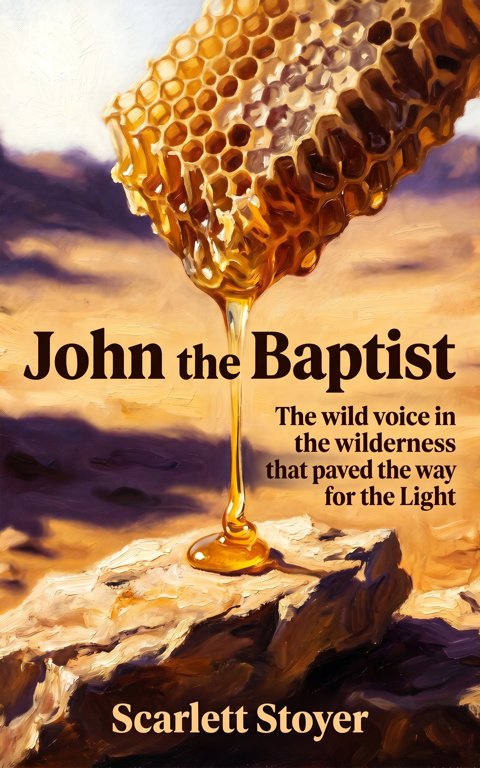
The life of the prophet in the wilderness, told as a novel. The story doorway, Christian version.
Read it free from chapter one →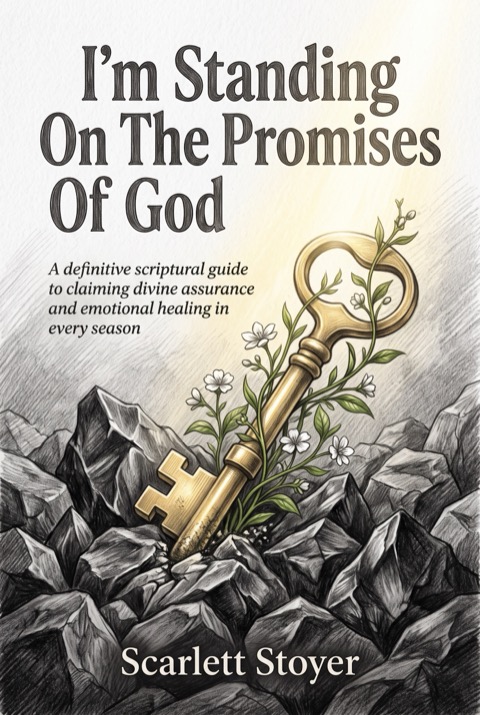
The promises of God in the Bible, each with its scripture reference and a short explanation. A reference book more than a narrative.
Look inside, free →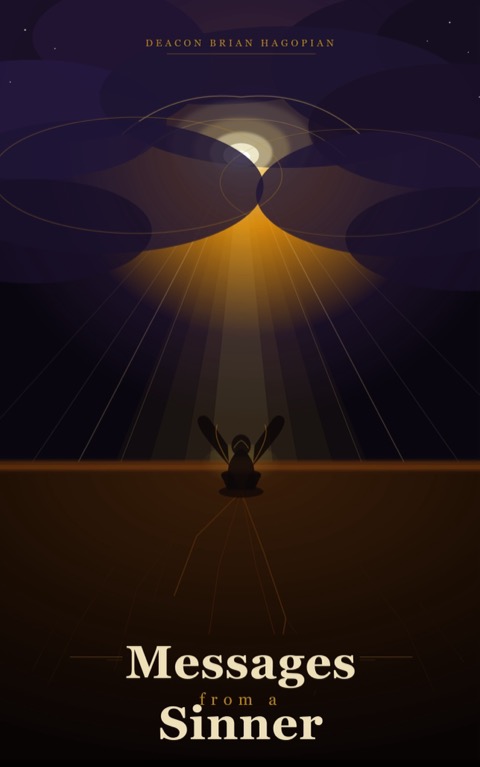
Messages Deacon Brian gave at Courts of Praise Community Church, collected. Read one a night.
Hear the first message →If you'd rather meet faith in a story than in a sermon, the christian fiction hub has novels, and the glossary entry explains what does and doesn't count. Not sure what kind of book you want tonight? The read-next quiz asks about mood, not genre.
Browse faith stories, chapter one free