Problem-matched Β· August 2026

Self-Help Books for Women: Picked by What Actually Helps

Ten books sorted by the problem you walked in with, each with a plain note on who should skip it. No ranking, because a burnout book is useless to someone in grief.

6
Problems sorted
10
Books, each with a skip-it note
23
Self-help titles on NanoReads

Twenty-three books in the NanoReads catalogue are shelved as self-help. I counted before writing a word of this, because the number changes how the rest of the page works. Most of the twenty-three are about the body: blood sugar, hormones, what metabolism does after forty. Almost none are about the reasons people type "self help books for women" into a search bar at eleven at night. So the ten books below are ones you buy elsewhere, and the NanoReads shelf comes in at the end, honestly labelled.

Nothing here is ranked either. Ranking self-help is a category error: a book that fixes a stalled career does nothing for someone whose mother just died, and the five-star general list is how readers end up with the wrong book at the worst possible moment and conclude the genre is a scam. Pick your problem, read that section, ignore the rest.

What brought you here tonight?


Problem 01 β€” Running on empty

Burnout that sleep doesn't fix

Burnout

The idea that earns this book its place is the stress cycle. The stressor ends, the deadline passes, the argument stops, and the physiological stress response keeps running anyway, so you have to finish it deliberately. Their answer is unglamorous and physical: roughly twenty minutes of movement, or crying, or a long hug. It reads as too simple until you notice you have been carrying Tuesday around since Tuesday.

Four Thousand Weeks

Burkeman does the arithmetic in the title, a long life being about four thousand weeks, then argues that time management is a bad response to that fact. The chapter that lands hardest is on the efficiency trap: clear your inbox faster and you receive more mail, so the reward for productivity is more work. Closer to philosophy than advice, and the relief comes from being told you will not get to everything.

Problem 02 β€” Can't say no

People-pleasing and the cost of being reliable

Codependent No More

Published in 1986 out of Beattie's work in chemical-dependency treatment, and still the sharpest inventory of caretaking behaviour anyone has written. The detachment chapters are the useful part: detaching without going cold, letting someone hit a consequence you could have prevented. Her lists of "do you do this" behaviours are uncomfortably accurate about the way competence turns into obligation.

Untamed

The cheetah is the whole book: Doyle watches a captive cheetah at a zoo chase a stuffed toy around a dirt track, tamed into a routine, and never quite settles afterwards. It is a memoir in short essays, and it is very good at giving a reader permission to stop performing a life she agreed to by accident. My honest reservation is that permission is where it stops β€” you close it energised and with nothing to do on Monday.

The Gifts of Imperfection

Brown's durable contribution is one distinction: guilt is "I did something bad," shame is "I am bad," and only the first one can be acted on. Once you can hear which of the two is talking, a lot of self-criticism becomes navigable. This is her shortest and least padded book, which is why I recommend it over the more famous ones.

Problem 03 β€” Body won't settle

Anxiety, and thoughts you can't argue with

Feeling Good

The core exercise is the triple-column technique: write the automatic thought, name the distortion driving it, write the rational response. Doing it on paper for a week does something that thinking about it never does, because the distortions repeat and you start recognising your own three or four favourites. It is the most tested tool on this page and also the least charming β€” very much a workbook wearing a book's jacket.

The Body Keeps the Score

Be clear about what this is before you buy it: a clinician's argument about how trauma is stored and treated, not a self-help programme. The case histories are why it spread by word of mouth. The practical content sits late, in the chapters on yoga, EMDR and theatre work. Read it for the explanation of why your body reacts before your reasoning does.

Problem 04 β€” Something ended

Grief, including the kind nobody sent flowers for

It's OK That You're Not OK

Devine's argument is that grief is a thing to be carried rather than a problem to be solved, and that the stage model has been used mostly to hurry people along. The most practical section is the one aimed at the people around you β€” what to say, what not to say β€” and handing that part to a friend does more good than most of the rest of this list.

The Year of Magical Thinking

Not self-help, and I would not hand it to someone in the first month. Didion keeps her husband's shoes because he will need shoes when he comes back, and she knows, while writing it, exactly how that sounds. It is on this list because grief makes people feel insane, and reading a famously precise writer document her own irrationality is a kind of company no advice book provides.

Problem 05 β€” Work has stalled

Career stall and the creative block underneath it

The Artist's Way

Two practices carry this book and the rest is scaffolding. Morning Pages: three longhand pages, first thing, uncensored, never reread. The Artist Date: two hours a week alone doing something that fills the well, which most people skip and should not. It is a twelve-week course, first published in 1992, and the pages work considerably better than the theory around them.

So Good They Can't Ignore You

Newport's blunt claim is that "follow your passion" is bad advice, and that satisfying work comes from building rare skills, career capital, which you later spend on autonomy. Useful if you have been waiting to feel certain before acting. The examples skew male and knowledge-work, and he is thin on what to do when the autonomy is not yours to negotiate.

Problem 06 β€” Money is a mess

Money, without the shame lecture

Your Money or Your Life

The exercise that makes this stick is converting your salary into a real hourly rate, net of commuting and the clothes and the decompression time, then pricing purchases in hours of your life. Doing that once permanently changes how a $60 impulse buy looks. It is the only money book here that treats spending as a values question rather than a discipline failure.


πŸ“–What NanoReads actually has, and what it doesn't

Here is the honest part. NanoReads is mostly a serial fiction platform: romance, fantasy and thrillers, read a chapter at a time. The nonfiction shelf is real but small, written largely by independent authors, and it clusters around health rather than mindset. If you came looking for the burnout or boundaries books above, we have no equivalent, and pretending otherwise would waste your evening.

What is here sits in two groups. First, a run of practical health guides aimed at women past forty, which happens to be the most underserved corner of the mainstream self-help shelf. Second, one memoir that does the emotional work a lot of readers actually want from a self-help book. Chapter one is free on all of them, so the cost of finding out is a few minutes.

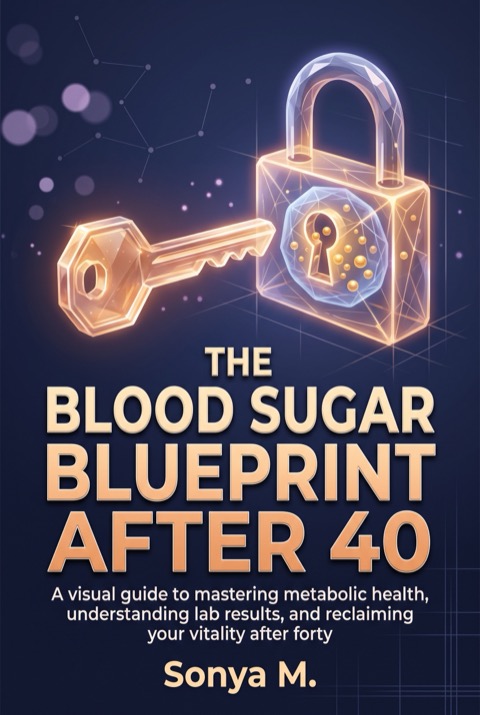
The Blood Sugar Blueprint After 40 cover
The Blood Sugar Blueprint After 40
πŸ“– Sonya M.
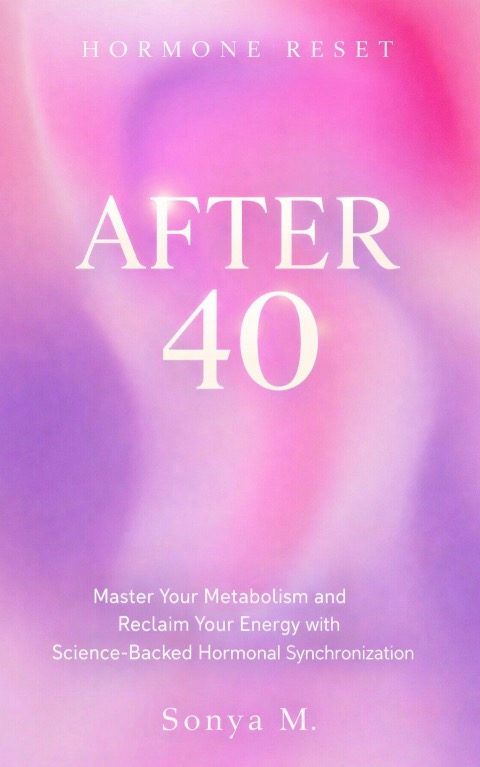
Hormone Reset After 40 cover
Hormone Reset After 40
πŸ“– Sonya M.
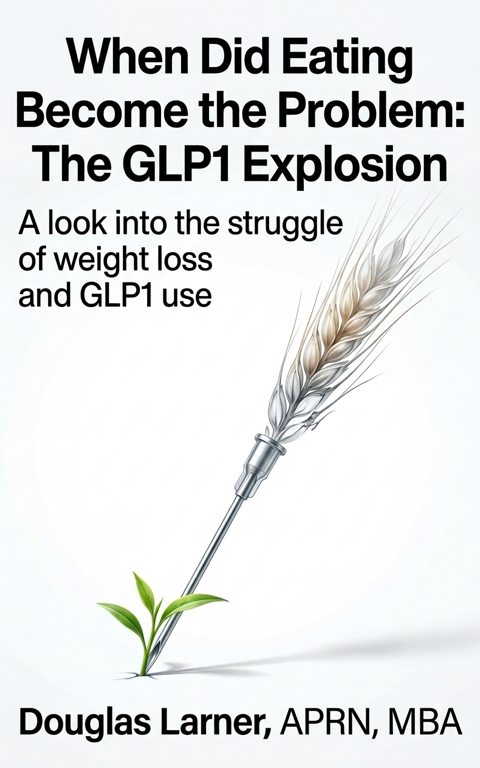
When Did Eating Become the Problem cover
When Did Eating Become the Problem
πŸ“– Douglas Larner
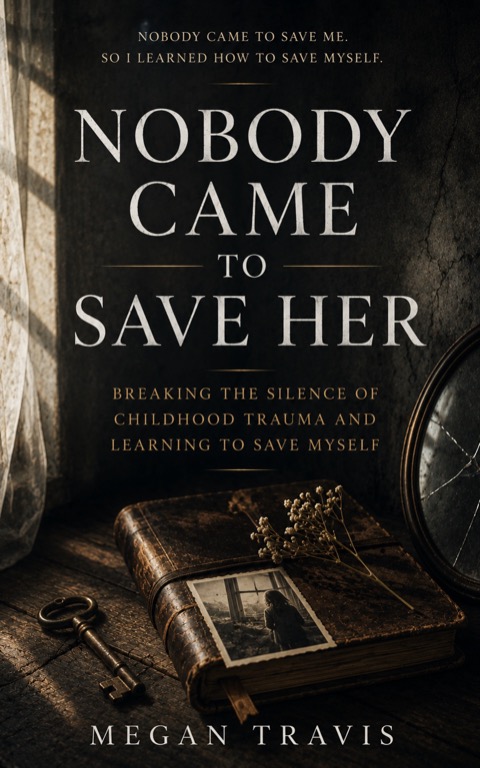
Nobody Came to Save Her cover
Nobody Came to Save Her
πŸ“– Megan Travis

The Blood Sugar Blueprint After 40 is an illustrated guide to A1C, insulin resistance and inflammation, written for adults roughly 35 to 65 and explicitly with women after forty in mind. Its companion, Hormone Reset After 40, runs twenty-five chapters on why standard calorie restriction stops working once insulin and cortisol stop cooperating. Start there if you have been told to simply eat less and it has not worked. Take the free first chapter of either and see whether the register suits you.

Douglas Larner's When Did Eating Become the Problem: The GLP1 Explosion is the argumentative one β€” a hundred years of diet culture read against the arrival of GLP-1 medication, with a long look at food noise and food cue reactivity. Read it if the current conversation about weight-loss drugs has left you uneasy and unable to say why.

Megan Travis's Nobody Came to Save Her is a memoir, filed under self-help because that is the shelf it belongs to: a childhood with an absent father and a mother lost to addiction, and what a person builds afterwards with nobody arriving to help. It sits closest to the grief and boundaries sections above, and its opening chapter is also free.

If none of that is what you needed β€” if you actually want to stop thinking for ninety minutes β€” that is a legitimate use of an evening, and the rest of the site is built for it. The read-next quiz takes about a minute and will put a serial in front of you, or you can browse the free novels shelf directly. Chapters run short by design, which is the novella-length logic applied to serials: a whole instalment fits in a commute. We did a similar cross-category handoff on our guide to the best true crime books, where the same honest caveat applies β€” the reporting is elsewhere, the storytelling is here.

One last thing about buying self-help

The failure mode with this genre is not choosing badly. It is choosing while you are at your worst and then judging the book by whether it rescued you. Most of these will not. What a good one leaves behind is one usable idea, like the stress cycle or the guilt-versus-shame split or three pages every morning, that survives contact with a Tuesday. Get one of those out of one book here and that was the whole job.