Most "best true crime books" lists rank the same way a thriller does: pacing, twists, how fast you flipped the pages. That misses the thing that actually separates good true crime from tabloid trash. Every book on this list is about someone who really died, and a family who really has to live with how it gets told. So this list ranks two things at once: how well the book reads, and how honestly it treats the people whose worst day it's turning into entertainment. A few books that are famous for being page-turners rank lower here than you'd expect. That's not an accident.
Quick, upfront honesty check before the list, because NanoReads is a fiction platform: our catalog has no nonfiction true crime. What we do have is crime fiction that scratches a similar itch, and it shows up at the bottom of this page, clearly labeled as fiction, because pretending otherwise would be exactly the kind of dishonesty this genre needs less of.
🔍How this list is judged
Two questions, asked of every book: does the writing earn your attention without inventing scenes nobody witnessed, and does the author treat the victims as people rather than plot devices for a killer's origin story. A book can be brilliantly written and still fail the second test. A few of these do exactly that, and I've said so.
📖The ranking, case by case
-
No. 1
In Cold Blood — Truman Capote (1966)
Capote spent years in Kansas embedding with investigators and, eventually, the killers themselves, and the sentences that came out of it invented the modern true crime voice. That's also the problem: Capote later admitted to reconstructing dialogue and interior thoughts he couldn't possibly have verified, dressing invention up as reportage.
Ethics noteThis is the book that created the genre's central bargain: extraordinary prose, built partly on things nobody could have actually witnessed. Read it as the origin story of every ethical argument true crime still has with itself. -
No. 2
Helter Skelter — Vincent Bugliosi with Curt Gentry (1974)
Bugliosi was the actual prosecutor who put Charles Manson away, so the courtroom mechanics here are airtight in a way no outside journalist could replicate. He also spends four hundred pages grading his own performance in the trial he's narrating.
Ethics noteThe most rigorous procedural on this list, told by a narrator with an obvious stake in looking like the hero of it. Worth reading with that tilt in mind, not despite it. -
No. 3
The Stranger Beside Me — Ann Rule (1980)
Rule was volunteering at a Seattle crisis hotline next to Bundy before anyone suspected him, and she keeps circling back to her own shock and guilt at having liked him. Most true crime writers narrate from a safe distance and pretend they'd have spotted the monster instantly. Rule didn't, and says so.
Ethics noteThe rare true crime book where "how did I not know" is the actual subject, not a hook the marketing department added. -
No. 4
I'll Be Gone in the Dark — Michelle McNamara (2018)
McNamara died before finishing the manuscript, and her team completed it from her notes rather than smoothing over the gaps. The result is less interested in the killer's mystique than in the exhausting, obsessive work of the amateur researchers and detectives who eventually found him.
Ethics noteHonest about its own unfinished edges instead of faking a tidier narrative. It's also the rare entry that makes the investigators, not the killer, the main character. -
No. 5
Killers of the Flower Moon — David Grann (2017)
Grann centers the Osage Nation's own accounts and living descendants, rather than treating them as scenery for a true-crime-meets-Western plot, which older books in this genre routinely got wrong.
Ethics noteThe only book on this list that's honestly also an indictment of the government agency investigating the case. History and true crime spliced without either one softening the other. -
No. 6
Devil in the White City — Erik Larson (2003)
Larson intercuts the fair's construction with Holmes's killing spree, chapter for chapter, and the structural trick is genuinely elegant. It also means Holmes's victims sometimes function as pacing devices between chapters about architecture and civic ambition.
Ethics noteGorgeous construction, and the book here where craft most visibly outruns care for the people it's describing. -
No. 7
Say Nothing — Patrick Radden Keefe (2018)
Keefe interviewed former IRA members who'd stayed silent for decades, but the emotional center of the book is the McConville children spending their whole lives not knowing what happened to their mother.
Ethics noteTechnically true crime, functionally one of the best books written this century about what political violence does to ordinary families for decades afterward. -
No. 8
American Predator — Maureen Callahan (2019)
Keyes spent over a decade evading detection precisely by refusing to develop a signature, which broke the profiling tools the FBI relies on. Callahan is unflinching about how badly the investigation stumbled, which is more useful than another villain profile.
Ethics noteLess "true crime as entertainment," more "true crime as an institutional failure report." Scarier for it.Skip it if: you need a killer caught fast. Keyes evaded serious detection for over a decade, and the book sits in that dread on purpose.
-
No. 9
The Journalist and the Murderer — Janet Malcolm (1990)
Malcolm's opening line is the most quoted sentence in true crime criticism, something close to: every journalist who is not too stupid or full of himself knows that what he does is morally indefensible. The book is a forensic account of a writer who befriended a convicted killer to get his story, then used it against him.
Ethics notePut deliberately last. If the eight books above made you uneasy about what this genre asks of real people's worst days, this is the book that names the problem outright, and doesn't let anyone on this list, including itself, off the hook.
🏅Superlatives
Best sentence-by-sentence writing: In Cold Blood, no real competition. Most honest about its own gaps: I'll Be Gone in the Dark. Best corrective to old-school true crime's blind spots: Killers of the Flower Moon. Hardest to read in one sitting: American Predator, because the dread never resolves the way procedurals usually promise it will.
🧭Which one to start with tonight
New to the genre and want the classic everyone references: In Cold Blood, knowing what you now know about its liberties. Want something more emotionally honest for a first read: I'll Be Gone in the Dark or Say Nothing, both of which treat grief as the actual plot. Want to feel genuinely rattled: American Predator. If a specific case grabs you and you want more in that lane, our books-like finder is built for exactly that kind of follow-up hunt. And if true crime's specific dread is really what you're after, the psychological end of thrillers scratches an adjacent itch; we cover that ground in our psychological thriller list, and the atmosphere-first end of it in our horror shelf.
📱Crime fiction on NanoReads (not true crime, said plainly)
Nothing above is available to read free on NanoReads, because none of it is fiction. What we do have is a handful of crime and thriller serials with the same pull as the genre above: real stakes, real dread, invented people. Ten-minute chapters, chapter one always free.
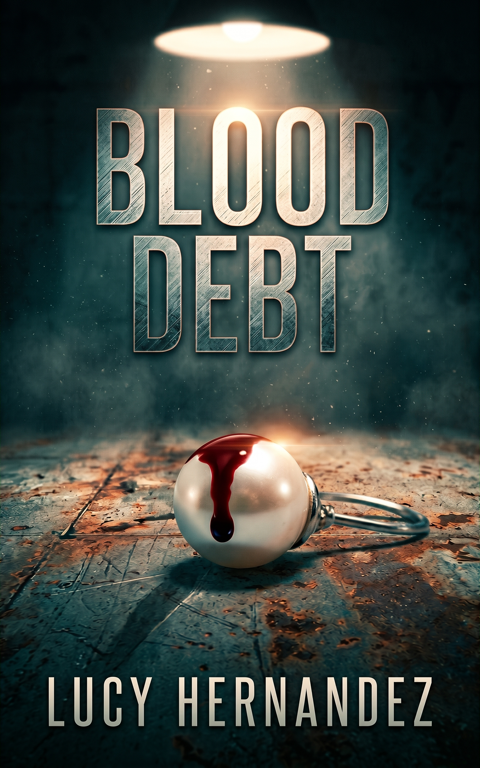
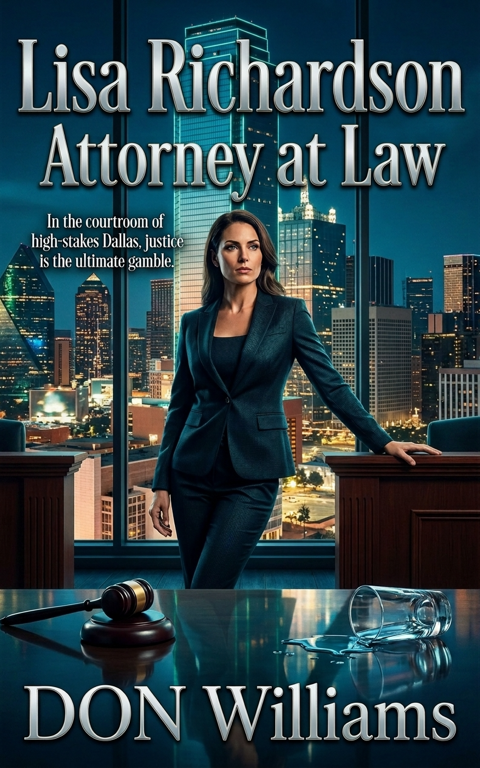
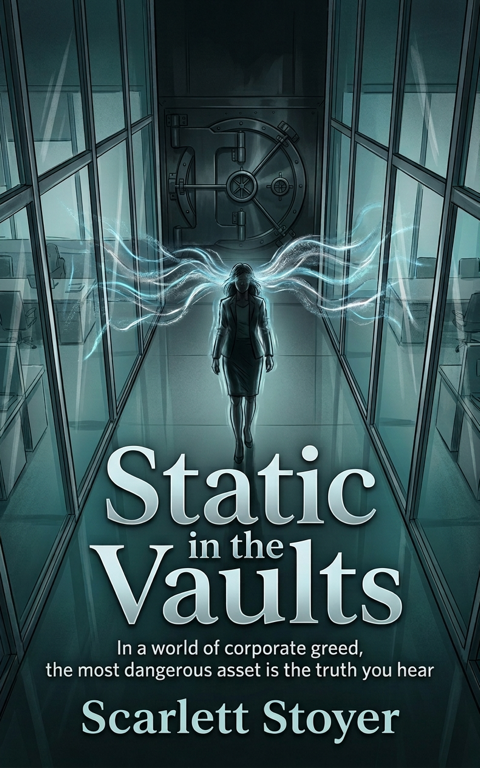
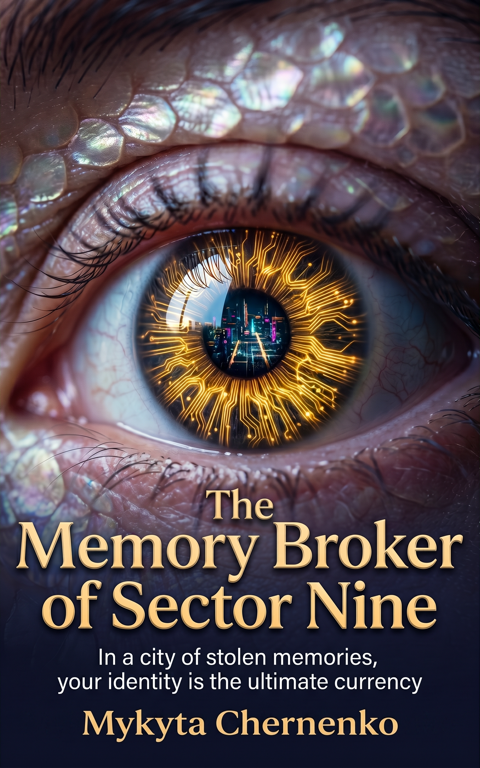
Blood Debt follows a woman used as mafia leverage against her own family; she gets herself out by the end, no rescue required. Lisa Richardson Attorney at Law is a Dallas defense-attorney procedural, twists included, when her ex asks her to defend his son. Static in the Vaults is the weirdest of the four: a psychic accountant infiltrates an investment circle that turns out to be fronting a much larger criminal operation. The Memory Broker of Sector Nine is a cyberpunk white-collar-crime heist, for readers who want the paper-trail satisfaction of true crime without leaving speculative fiction.