In 1938, with his underground seminary at Finkenwalde shut down by the Gestapo and his students scattered, Dietrich Bonhoeffer sat down in his twin sister's empty house in Göttingen and wrote, in a few weeks, a short book about how Christians should live together. Life Together came out the next year. It is still one of the most practical spiritual formation books ever written, and its author wrote it knowing the community it described had already been taken away.
Formation books are about the slow work of becoming a different kind of person, through practices repeated long after the novelty wears off. Which is why reading them in a pile, all at once, mostly doesn't work. You get inspired, you underline, and by March nothing has changed.
So here is a year instead. Each season has three books and one focus. Read one a month and try the one practice each book asks of you before moving on. If you start in January, you'll reach Teresa of Ávila by December, which is about when you'll be ready for her.
No repeats: the modern bestsellers on hurry, emotional health and ordinary liturgy (Comer, Scazzero, Warren) are covered in our Christian self-help books, and Brother Lawrence and Merton sit in spiritual books by tradition. None of them appear below.
Silence and solitude
Start by subtracting. Every teacher below says the same thing: you can't hear anything until the noise drops.
The Way of the Heart
Under a hundred pages on the desert fathers and mothers, built around a saying of Abba Arsenius: flee, be silent, pray. Nouwen wrote it for busy ministers, which makes it oddly perfect for anyone with a phone. Practice: ten minutes of silence before you look at a screen.
Invitation to Solitude and Silence
Barton writes as a practitioner, not a theorist, and each chapter ends with a guided exercise. Where Nouwen says why, she says how, down to what to do when your mind runs off. Practice: one half-day alone this month, scheduled now.
The Rule of Saint Benedict
Seventy-three short chapters written for monks, and the reason monasteries in the Benedictine tradition read it aloud several times a year. Skip the bits about kitchen rotas if you must; the chapters on humility and listening are for everyone. Practice: write three lines of your own rule.
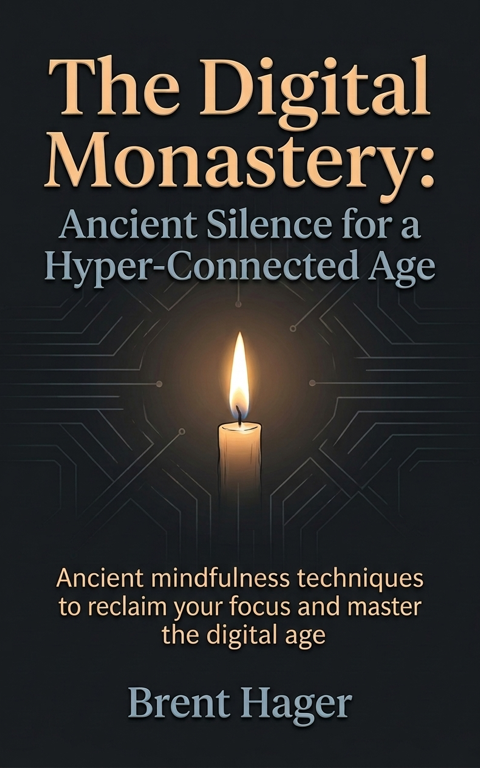
Pair with: The Digital Monastery by Brent Hager, which applies monastic silence to constant connectivity and the strain it puts on attention. It's Benedict for the notification age, and the first chapter is free on NanoReads.
The toolkit
Now the disciplines themselves. These three are the backbone of the modern formation movement, and they argue with each other in useful ways.
Celebration of Discipline
Twelve disciplines in three groups: inward (meditation, prayer, fasting, study), outward (simplicity, solitude, submission, service) and corporate (confession, worship, guidance, celebration). Foster is a Quaker, warm and plain-spoken. Practice: pick one discipline you've never tried and do it weekly.
The Spirit of the Disciplines
Foster's friend and teacher supplies the theology underneath. Willard sorts practices into disciplines of abstinence and of engagement, and insists grace is not opposed to effort, only to earning. Denser than Foster. Read a chapter, then walk.
Spiritual Disciplines Handbook
A reference book, not a read-through: dozens of practices, each with a short explanation, scripture, and a few exercises. Use it to find the practice that fits the person you've become since January. Practice: try two you'd never heard of.
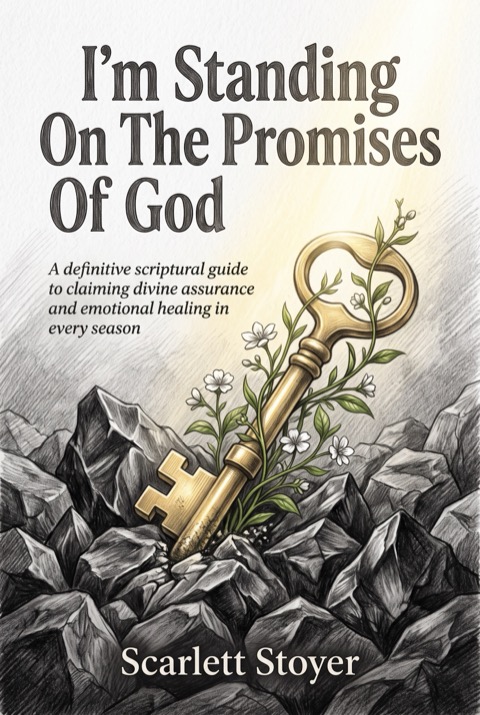
Pair with: Scarlett Stoyer's I'm Standing On The Promises Of God, a scripture-memory companion that sets out promises from the Bible with their references and a short explanation of each. Willard would call that the discipline of study. Start reading free.
Other people
Formation done alone curdles into self-improvement. Summer is for the books that drag you back into community and keep you there.
Life Together
The book from the top of this page. Bonhoeffer warns against loving your dream of community more than the actual people in it, a line that has ended many church-planting fantasies. Five chapters. Practice: share one meal a week with someone you'd rather not.
A Long Obedience in the Same Direction
Fifteen chapters on the fifteen Psalms of Ascent, the songs pilgrims sang walking up to Jerusalem. Peterson borrowed the title from Nietzsche, of all people. His target is the instant-results culture he saw in American churches decades before smartphones. Practice: pray one psalm a day.
The Imitation of Christ
Short sayings in four books, from a monk who spent his life copying manuscripts. Some of it is too gloomy about the world; much of it is the sharpest writing on humility you'll find. Read a few paragraphs a day, ideally with someone else, and argue about them.
Pair with: The Prodigal Son by Donald Williams, the parable of the lost son retold as an old-west family drama. Bonhoeffer's warning is the same one the parable makes: the hard part of community is welcoming back the person who actually walks in. Community breaks down or holds at exactly that point, which is why it belongs in summer. Chapter one is free.
The long interior
The deepest books for last, once the habits are in place. These are the ones you return to for the rest of your life.
Confessions
The first great spiritual autobiography, written as a prayer addressed to God. The stolen pears, the mistress, the voice in the garden saying "take up and read." Get a modern translation such as Sarah Ruden's or Maria Boulding's. Practice: write a one-page account of your own year.
Interior Castle
The soul as a castle with seven sets of rooms, moving inward toward union with God. Teresa wrote it fast, under obedience, and the result is funny, frank and occasionally baffling. Don't worry about where you are in the castle. Notice the door you're standing at.
Reread one
Pick the book from this year that changed something and read it again. Formation teachers almost unanimously say the second reading is when it works. This is a real recommendation, not a filler slot.
Pair with: The voice of God by Kabela Elisham, a raw memoir of grief and of the moment the author felt God present as she buried her son. Augustine's book is full of loss, and this one belongs beside it. Go in ready for tears. The first chapter is free.
✅Before you start: a rule-of-life checklist
Nothing saves; it's a mirror, not a form.
📖Shorter reads for the in-between days

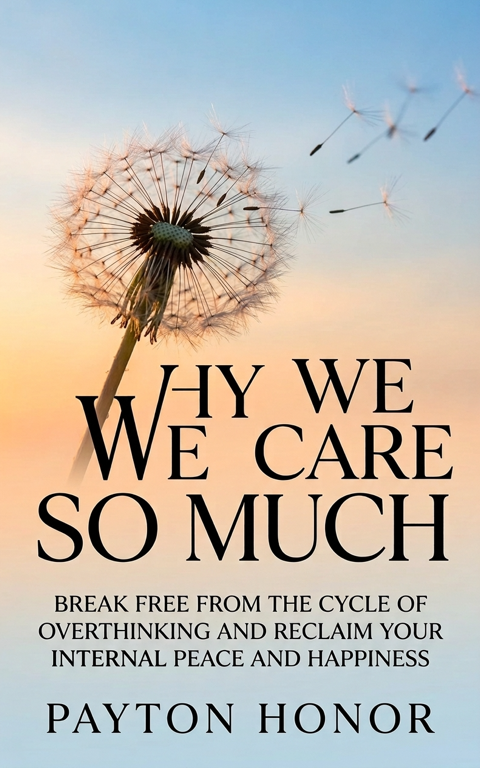
The twelve above are long, and some days you'll have ten minutes, not an hour. NanoReads serves books in short chapters, which suits those days. The five pairings are on this shelf, plus one more: Why we care so much by Payton Honor, a short personal book about overthinking small things and how caring too much eats at happiness. Teresa would recognize the problem. Its first chapter is free too.
If you'd like to read faith as story on the off-days, the Christian fiction shelf collects the catalog's novels, and our Christian fiction glossary entry explains the genre. The spiritual warfare books list covers the other side of the Christian life, the fight rather than the garden. And if you just want a nudge, the read-next quiz will pick something for tonight.