Of the roughly thirty mystery serials on NanoReads, exactly one English-language title is set before 1950. I counted before writing this, because I wanted to know how honest the bottom of this page would have to be, and the answer is: very. The catalog is contemporary. That's fine. The historical mystery novels that matter are on the tradpub shelf anyway, and they're the subject here.
What makes them work is subtraction. A modern detective has a lab; a medieval one has a nose and a grudge. So instead of ranking these by how good they are, which is a coin-flip between Eco and Sansom for most people, I've arranged them by the tool the investigator doesn't have. Earliest setting first. Read down the page and you watch detection get invented, one missing instrument at a time. If you want the era without the corpse, the best historical fiction novels list is the companion shelf.
🕯️The ladder, earliest first
1. A Morbid Taste for Bones
A Benedictine house in Shrewsbury sends a party into Wales to bring back the bones of a minor saint, and the local landowner who objects turns up dead with an arrow in him. Cadfael, a monk who fought in the Crusades before he took the cowl, works out from the wound that the arrow went in after the man was already dead, which is the first forensic observation on this list and arrives four centuries before anyone had a word for it. It's short, warm, and quietly funny about the politics of relics, and it's the right door into the genre because nothing about it is hard.
2. The Name of the Rose
A Franciscan and his novice arrive at an Italian abbey for a theological summit and monks start dying in an order that seems to follow Revelation. The library is a labyrinth by design, because in 1327 a book existed in one copy and whoever controlled the copy controlled the idea. That's the mystery's engine: not who has the motive, but who has the access. Eco makes you sit through pages of doctrinal argument on purpose; the murders are about those arguments. The last hundred pages pay for the first hundred. If you're allergic to Latin, the Sean Connery film keeps the plot and drops the theology.
3. Dissolution
Thomas Cromwell's commissioner is murdered inside a Sussex monastery Cromwell wants closed, and Matthew Shardlake, a hunchbacked lawyer who believes in the Reformation, is sent to find out who did it. There is no constabulary. Shardlake's authority is a letter, and the monks know that if the letter is enough to hang one of them it's enough to close the house, so every witness is lying for reasons that have nothing to do with the murder. Sansom's trick is that Shardlake's faith in the new order gets wounded alongside the case. Cold, wet, and morally exhausting in a good way.
4. Heresy
The real Giordano Bruno, an excommunicated Dominican who would be burned in Rome seventeen years later, visits Oxford to debate the Copernican model and stumbles into a murder in a college where half the fellows are secret Catholics. He's also spying for Walsingham. What the era withholds is not a gadget but a legal category: there's no way to investigate a killing tied to belief without every question becoming an accusation. Parris writes Bruno as vain and quick, and the Oxford of the book is as claustrophobic as the city still is. Lighter than Sansom, faster too.
5. An Instance of the Fingerpost
An Oxford don is poisoned and a servant girl is hanged for it. Four narrators tell the story in turn, each certain, each wrong in a different way, and the title comes from Bacon's term for the one observation that settles a question. Pears sets it in the decade when the Royal Society was arguing about what counted as evidence at all, and that argument is the book: the detectives disagree about method before they disagree about suspects. It is long and the first narrator is deliberately unpleasant. Stay for the third; the fourth section rewires everything before it.
6. The Cater Street Hangman
Young women are being garrotted on a respectable London street, and Inspector Pitt's investigation runs into a wall of households that would rather protect a reputation than a daughter. Charlotte Ellison, an unmarried daughter of one of those houses, notices what the men don't because she's allowed in rooms the police aren't. The missing tool is her credibility: she can see the answer and has no standing to say it. Perry wrote the series for decades and the later books are richer, but this one has the raw version of the idea. Short, brisk, and blunt about how the Victorians priced women.
7. The Alienist
A psychologist, a Times reporter, and a police-commissioner Theodore Roosevelt assemble a secret team to catch a killer of boy prostitutes in New York, using a method nobody trusts yet: build the murderer from his behaviour. Fingerprinting exists in the book and the establishment laughs at it. Carr's New York is dense with real people and real filth, and the profiling scenes, which were fresh in 1994 and are now every TV show, still read as reasoning, not magic, because you watch the team argue their way to each inference. Violent, and the victims are children, so know that going in.
8. A Rising Man
A Scotland Yard veteran with a morphine habit lands in Calcutta and gets a murdered British official with a note in his mouth telling the English to leave India. Wyndham has the full apparatus of a modern police force, which is the point: it's useless, because the city he's policing has no reason to help him, and his Indian sergeant, Banerjee, can go places and hear things he never will. The most recent setting on the list and the one where the missing tool is trust, not technology. Funny in the narration, unsparing about empire in the plot.
🧭Which rung tonight
Want warmth and a quick finish? Cadfael, then straight into the Anne Perry. Want to be worked hard? Eco, or Pears if you like being lied to by narrators. Want a series you can live in for a year? Sansom's Shardlake books run to seven and get better through the fourth. Want the modern police procedural transplanted into a place where it doesn't work? Mukherjee.
If none of that lands, the problem might be that you want a murder without the history lesson, in which case the murder mystery books roundup is the shelf next door, and the mystery books hub holds both.
📖What NanoReads has, honestly
One period mystery and four contemporary ones, all by real authors, all bite-size serials with a free first chapter. I've described each from what the catalog says, which for a couple of them is not much.
-
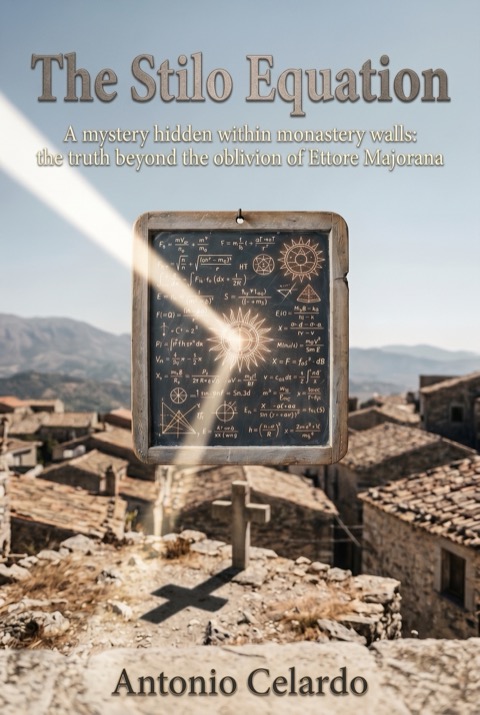
The Stilo Equation
Antonio Celardo · 1938 · the only true historical hereThe one. Ettore Majorana, a real physicist of Fermi's circle, boarded a boat from Palermo in March 1938 and was never seen again; the disappearance has never been solved. Celardo's serial investigates it and, per his own description, sets aside suicide, flight abroad, politics, and assassination in favour of the monastery theory: a retreat and a life under a false name. That is a proper historical mystery, argued from the record, and it belongs on this page for the same reason Josephine Tey's Richard III book belongs on any mystery list. The English text is a translation from the author's Italian original; expect the prose to be plainer than the premise.
Chapter one is free → -
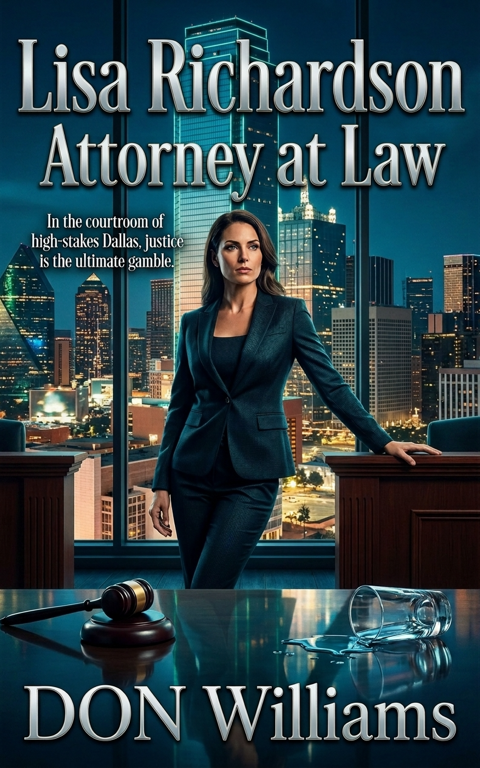
Lisa Richardson Attorney at Law
DON Williams · present-day Dallas · legal whodunitNot historical, but the straightest whodunit in the catalog. A top Dallas defence attorney is asked by an ex-boyfriend to defend his son, found passed out in his girlfriend's apartment while she lies shot in the bed, and works it with her PI, Janet. The structure is Shardlake's: a lawyer with no police powers, forced to investigate because the official version is wrong. Rough prose, honest plot.
Read the opening chapter free → -
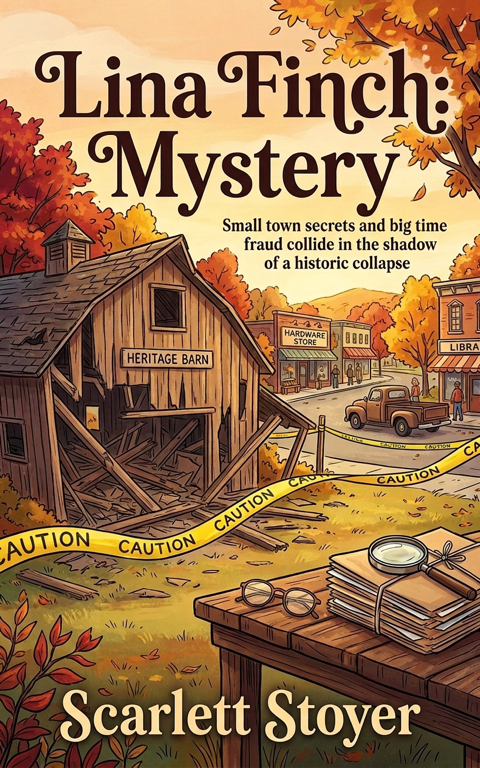
Lila Finch Insurance Mystery
Scarlett Stoyer · small town · cozyAn insurance agent with a small-town office who knows everyone, and a cozy mystery that runs on that. The description is two lines long, so treat this as a premise, not a promise. What it shares with Cadfael is the sleuth's real job: Lila isn't a detective, she has files on everyone in town, and that's the tool.
Start chapter one, no account needed → -
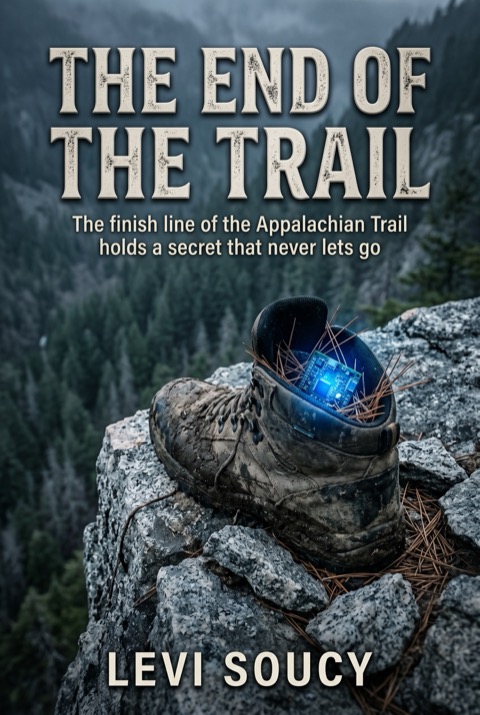
The End of the Trail
Levi Soucy · Mount Katahdin · disappearancesA hiker finishes the two-thousand-mile Appalachian Trail, checks in at the Katahdin ranger station, starts the final climb, and is never seen again. Two weeks later a married couple follows and doesn't come back either. No bodies. Tagged cozy, which surprised me given the premise; the setup is closer to a wilderness procedural. Of the contemporary picks it's the one with the most atmosphere per chapter.
See if the first chapter grabs you → -
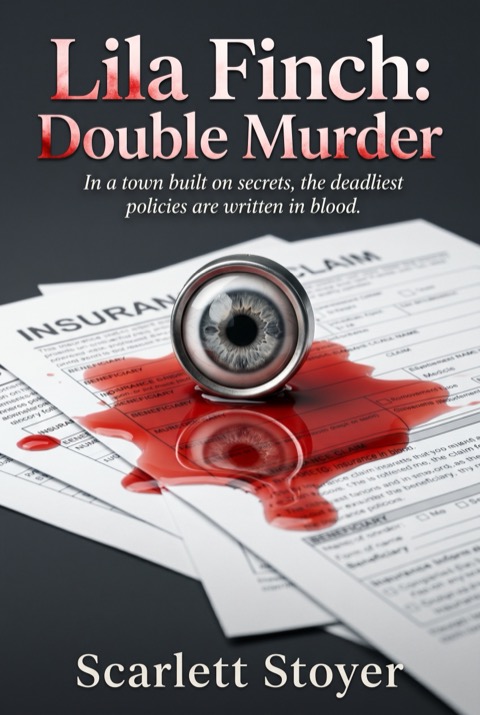
Lila Finch: Double Murder
Scarlett Stoyer · small town · cozy with a stalker tagLila again, this time in the middle of a double murder in the same town where most residents buy their insurance from her. The tags add action-thriller and stalker-thriller to the cozy label, so this is the darker of the two Finch serials. Start with the first if you want the town established; start here if you want the bodies sooner. More of this sub-shelf on the cozy mystery series list.
Open chapter one free →
🔗Keep going
Most of the tradpub picks above run long; Eco and Pears are doorstops. If you want the period feel at a length you can finish on a commute, the novella is the format to search for, and the historical fiction hub is where the short-form period serials on this site collect.