Literary fiction is fiction judged mainly on character, language and theme rather than on plot or genre formula. It asks why people act the way they do, often ends ambiguously, and doesn't promise a happy ending, a solved crime or a defeated villain. Think Toni Morrison, Kazuo Ishiguro or Sally Rooney.
Here's the version you'll recognize. You finish a romance and the question in your head is "will they end up together?" and the book answers it. You finish Never Let Me Go and the question is something like "why didn't they run?", and the book refuses to answer, and you're still turning it over on the bus three days later. That leftover question is the clearest sign you've been reading literary fiction.
It's a label bookstores and publishers use, not a strict genre with rules. Nobody checks a book at the border. But it does describe a real difference in what a novel is trying to do, and that difference is easier to feel than to define.
Literary vs genre fiction: what each book is promising you
Every genre makes a promise up front. Romance promises the couple. Mystery promises the answer. Thrillers promise the bomb gets defused or goes off. Literary fiction makes a different promise: you'll understand someone more completely by the end, even if nothing dramatic happens to them.
Genre fiction asks "what happens next?"
Plot drives the pages. Conventions are part of the fun: you know the fake dating will turn real, and the pleasure is in how. Endings are usually closed.
Literary fiction asks "why did that happen to this person?"
Interior life drives the pages. The sentences themselves are meant to be noticed. Endings are often open, sad, or quietly unresolved.
The traits that show up again and again: a slow, close look at one or two characters; prose that pays attention to rhythm and image; a theme the book keeps circling (grief, memory, class, faith); and time that moves however the story needs it to, with flashbacks, gaps or a whole decade skipped in a paragraph.
The overlap is huge, and it's growing. The Road is post-apocalyptic, Station Eleven won a science fiction prize, The Remains of the Day is a love story where the love is never spoken. A book can be a literary novel and a genre novel at once. The useful question isn't "which shelf?" but "what is this book mainly selling me?"
The misconception worth dropping
"Literary fiction is the one where nothing happens." Plenty happens. Beloved has a murder and a haunting. The Kite Runner has a war, an assault and a rescue. What's different is where the camera points. A thriller cares about the event; a literary novel cares about what the event does to a person ten years later.
The second myth is that it has to be long and hard. Of Mice and Men runs about a hundred pages. Claire Keegan's Small Things Like These is shorter than that. If you want a way in, a short one is the honest choice. (We wrote about why short books suit this kind of story in our novella explainer.)
Famous literary fiction, old and new
- Beloved, Toni Morrison (1987). A formerly enslaved woman is haunted, literally, by the daughter she killed. Pulitzer winner and the book most people mean when they say "a literary novel."
- Never Let Me Go, Kazuo Ishiguro (2005). Boarding-school friends slowly understand what they were raised for. The twist isn't the point; their calm acceptance of it is.
- A Little Life, Hanya Yanagihara (2015). Four friends over decades, one of them carrying unbearable childhood abuse. BookTok made it famous for the crying videos. Heavy content warnings for self-harm and abuse.
- Normal People, Sally Rooney (2018). Proof that a love story can be literary: two Irish students orbit each other through school and university, and the drama is everything they fail to say.
- Demon Copperhead, Barbara Kingsolver (2022). David Copperfield moved to Appalachia during the opioid crisis. Funny, angry, and a good example of the form reading as a page-turner.
📖Try it in short chapters on NanoReads
These three are written by indie authors in our catalog, and each one puts an inner life ahead of plot mechanics in a different way.
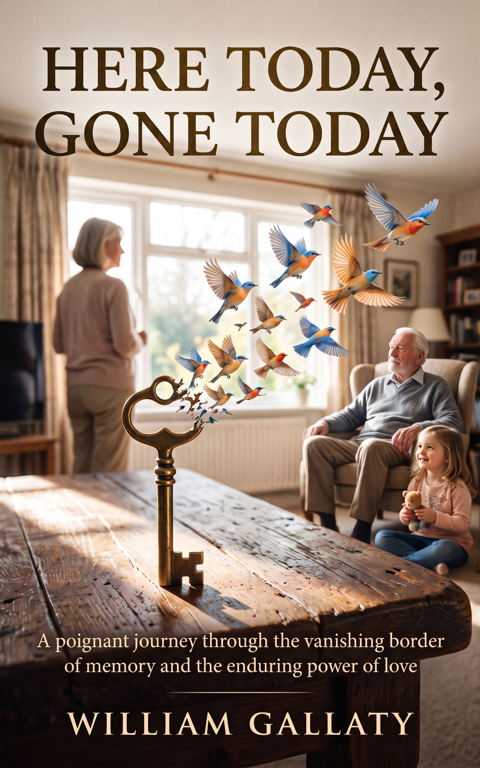
Here Today, Gone Today
An 85-year-old man drifts in and out of reality with dementia while his wife of 65 years locks the doors and shields him from relatives who want him institutionalized. It's a family story built on the small, unglamorous moments, like his afternoons with the grandchildren.
Chapter 1 is free here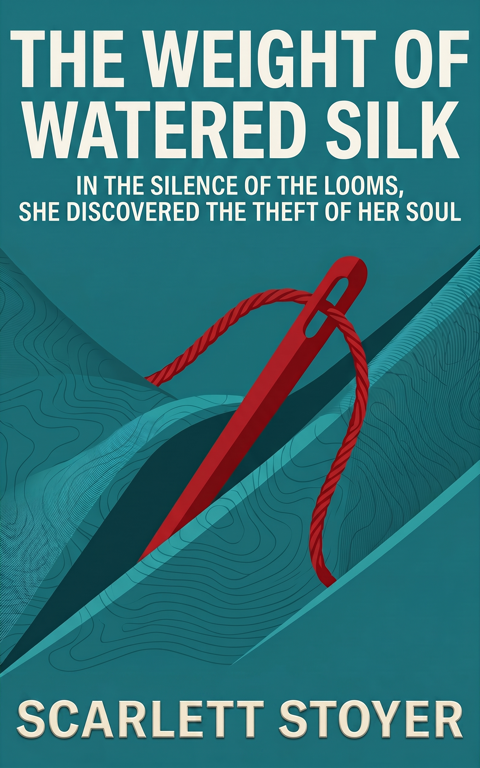
The Weight of Watered Silk
A mute worker in a 1920s silk mill finds a ledger sewn into a dress, proof the owner forges immigrant workers' identities to take their inheritances, and her own name is on it. The plot has a hook, but the book is tagged as a character study about who gets to own a name.
Open the first chapter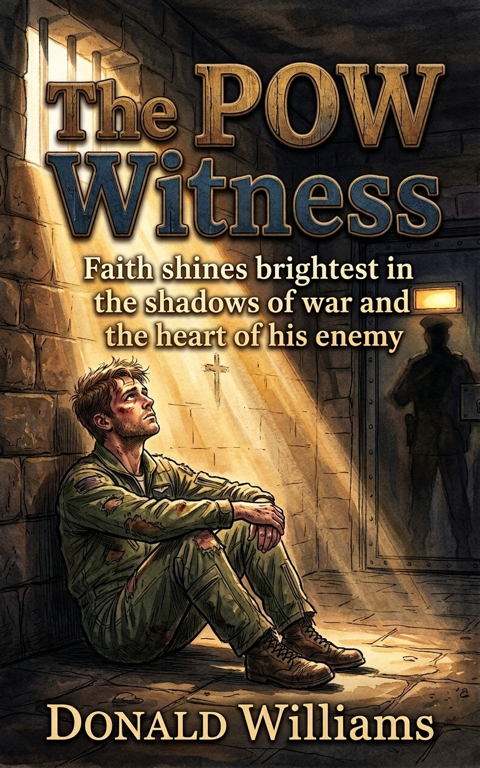
The POW Witness
A downed air force pilot held as a prisoner of war answers torture with Christian love until his guards start asking what he has that they don't. Expect faith at the center and scenes of mistreatment; it sits close to our Christian fiction entry too.
Start reading for freeWhere the label came from
For most of the 19th century there was just "the novel," and Dickens sold like a soap opera, in monthly installments. The split happened in the 20th century as cheap pulp magazines and later mass-market paperbacks gave mystery, western, romance and science fiction their own shelves. "Literary" became the word for whatever was left over: the books reviewed in newspapers and shortlisted for the Booker and the Pulitzer. Publishers still use it as a marketing category, which is partly why the edges are so fuzzy.
Dickens is a fair reminder that serial fiction and literary ambition were never opposites. If you're not sure whether you'll enjoy a quiet, character-led book or want something with more momentum, our what should I read next quiz will point you one way or the other, and the best historical fiction novels list has a lot of literary crossover picks.