How many self-help books have you finished, nodded along to, and then changed nothing? The best self-help books aren't the most quotable ones. They're the ones that leave you holding a specific instruction you can carry out on an ordinary Monday morning, with no retreat, no new planner and no burst of motivation required.
That's how this list is ranked. For each book you get what it's about, the single action worth stealing from it, and an honest "skip it if" for the reader it won't help. Order goes from most immediately usable to most worth reading slowly.
One curiosity before you start: the "two-minute rule" turns up in two of these books meaning two different things. In Getting Things Done it means "if it takes under two minutes, do it now." In Atomic Habits it means "shrink any new habit until it takes two minutes." Both are right, for different problems. That's roughly how to read all of self-help.
🗓️Ranked by how soon you'll use it
-
Atomic Habits — James Clear (2018)
The most practical habit book in print. Clear's core claim is that you don't rise to your goals, you fall to your systems, and nearly every chapter ends in a tactic: make the cue obvious, make the habit easy, make it satisfying.
Monday:Write one habit stack: "After I pour my coffee, I will ___ for two minutes." Do only that for a week.Skip it if: you've read three habit books already. This one summarises them well but won't surprise you.
-
Tiny Habits — BJ Fogg (2019)
Fogg's twist on habit-building is emotional: you lock a habit in by celebrating the instant you do it, even if the habit is two flossed teeth. Sounds silly. It's the part people remember.
Monday:Pick something absurdly small, anchor it to something you already do, and say "nice" out loud when it's done.Skip it if: you find self-congratulation cringe and know you won't do it.
-
Feeling Good — David D. Burns (1980)
The classic CBT workbook in paperback form. Burns lists the thinking errors (all-or-nothing, mind-reading, "should" statements) that turn a bad day into a bad week, then gives you written exercises to answer them. It has been tested in clinical studies as "bibliotherapy" for mild depression.
Monday:Next time your mood drops, write the thought down and label which distortion it is. Just the label.Skip it if: you're in a crisis. This is a tool, not a substitute for a doctor or therapist.
-
Getting Things Done — David Allen (2001, revised 2015)
Allen's idea is that your mind is for having ideas, not holding them. Everything goes into a trusted inbox, gets processed into next actions, and gets reviewed weekly. The vocabulary ("next action", "weekly review") has outlived every app built on it.
Monday:Spend 30 minutes writing down every open loop in your head. All of them. Then pick the very next physical action for three.Skip it if: you hate systems. GTD is a system, and half-adopting it is worse than not starting.
-
Deep Work — Cal Newport (2016)
Newport argues that long, undistracted stretches of hard thinking are getting rarer and more valuable at the same time. The second half is a set of rules, from scheduling every minute to quitting social media for thirty days.
Monday:Block one 90-minute slot on your calendar, phone in another room, one task only.Skip it if: your job is mostly meetings and you have no power over your calendar.
-
Four Thousand Weeks — Oliver Burkeman (2021)
The title is the length of an average human life. Burkeman's point is that you'll never get on top of everything, and the relief starts once you stop trying. Funny, and quietly devastating.
Monday:Choose one thing you'll deliberately fail at this week so the important thing gets done.Skip it if: you want tactics. This is a book about acceptance with a handful of tips at the end.
-
Man's Search for Meaning — Viktor E. Frankl (1946)
Frankl's account of surviving Nazi concentration camps, followed by the therapy he built from it: that people can bear almost any how if they have a why. Short, and in a different weight class from everything else here.
Monday:Write one sentence answering what you're responsible for that nobody else can do.Skip it if: you want something light. Read it on a calm weekend, not a bad Tuesday.
-
How to Win Friends and Influence People — Dale Carnegie (1936)
The examples are from the 1930s and the advice is not: remember names, talk about what the other person cares about, never tell someone flatly that they're wrong. It reads like a list of things your nicest coworker already does.
Monday:In every conversation on Monday, ask one follow-up question before you say anything about yourself.Skip it if: you're allergic to anything that sounds like a sales manual.
-
The Power of Habit — Charles Duhigg (2012)
The book that put "cue, routine, reward" into everyday speech. It's more story than instruction, ranging from Alcoa safety records to Target predicting pregnancies from shopping lists, so it explains habits better than it changes them.
Monday:Find the cue behind one habit you'd like to drop: time, place, mood, people, or the action just before it.Skip it if: you've already read Atomic Habits; the useful parts overlap.
-
Mindset — Carol S. Dweck (2006)
Dweck's fixed versus growth mindset has become a cliché, and large studies since have found that school-based mindset interventions produce smaller effects than the book implies. The core idea still holds up as a way to notice how you talk about failure.
Monday:Catch one "I'm just not a ___ person" this week and add the word "yet".Skip it if: you want rigour. The idea is solid; the book oversells it.
✅Before you buy the next one
A quick checklist. If you can't tick at least two, a new self-help book probably isn't what's missing.
- I've tried the one action from the last self-help book I read.
- I can name the specific problem I want this book to fix.
- I'm picking it because of that problem, not because it's trending.
- I'll read a chapter and try something before I read the next chapter.
That last one is why short chapters suit this genre so well: you read one, try it, come back tomorrow. If you're drawn to the inner-life end of the shelf rather than the productivity end, our spiritual awakening books sorts that territory by how each book gets you in. For picks written with women's specific pressures in mind, see self-help books for women, and there's a separate Christian self-help list for faith-based readers.
📚Practical guides to start free on NanoReads
Our self-help shelf is written by independent authors and leans hard toward health and everyday how-to rather than the big-idea books above. Six to sample, chapter one free on each:
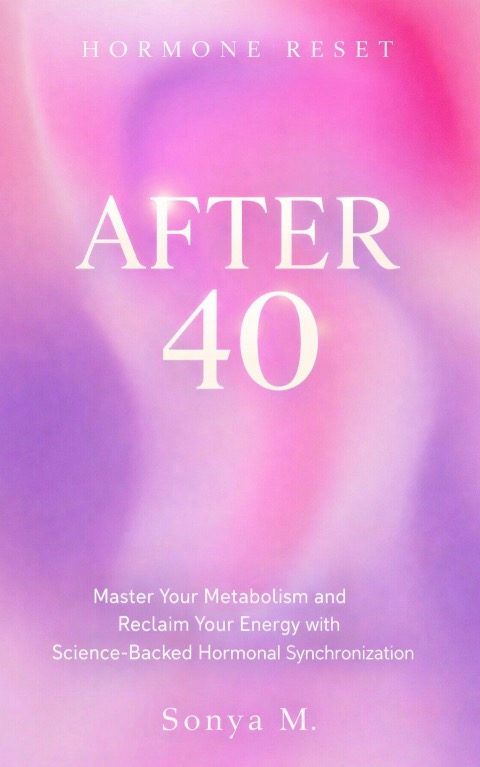
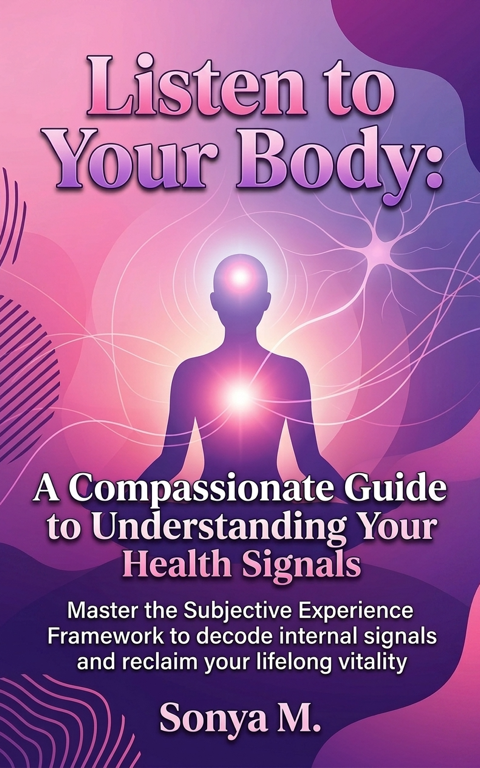
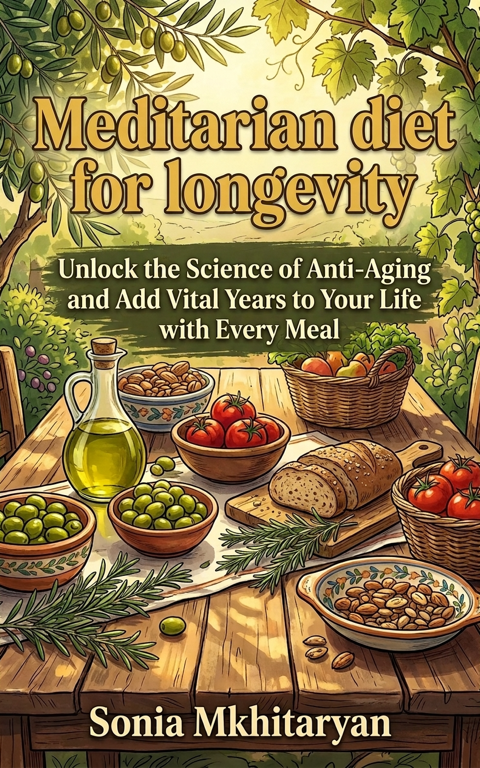
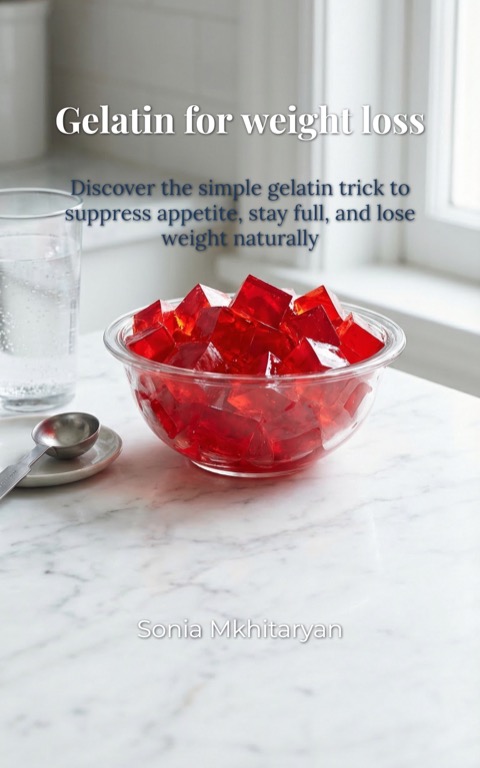

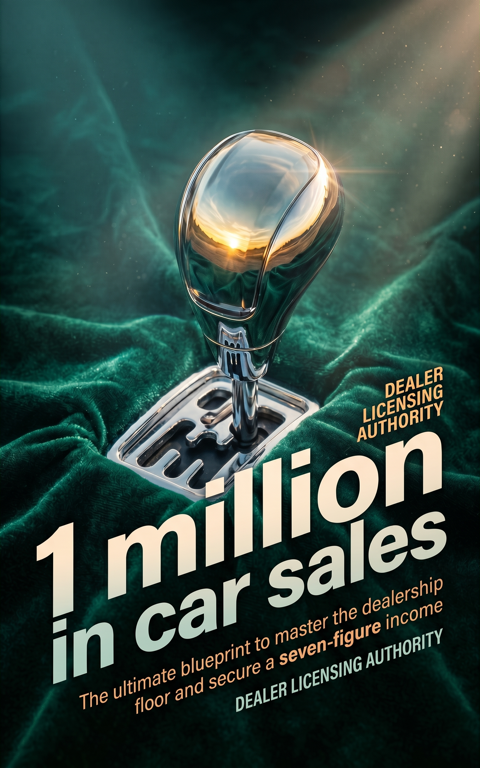
Four come from one author, Sonya Mkhitaryan, and they form a loose set. Hormone Reset After 40 is the most structured, a 25-chapter guide on why calorie-cutting often stops working after 40, with the focus on insulin, cortisol and sleep rhythms. Listen to Your Body covers small signals people tend to ignore, like brain fog and morning stiffness. The diet titles lean recipe-book.
The other two are nothing like those. If Men are Dogs are Women Cats? by Joe L. Wright is a dating playbook that sorts women into house cats, alley cats, street cats and ferals, a framing you'll either find funny or won't. 1 million in car sales promises exactly what it says: how to sell cars and aim for a million your first year. Neither is subtle. Both are easy to sample before you decide.
These health titles are general reading, not medical advice. Check with a doctor before changing your diet or acting on a symptom.
Not sure? Take the read-next quizPrefer stories to instructions? Plenty of readers rebuild a reading habit with fiction first: browse free novels online, where every first chapter costs nothing.