When you pick up a mystery, do you want to solve it, or do you want to watch somebody else solve it? Most readers never ask, and it's why so many "best mystery books" lists disappoint: they mix fair-play puzzles, where every clue is on the page, with books where the answer was never available to you. Both kinds are great. They're different evenings. So each of the ten below gets a fair-play rating next to the review.
The rating comes from an old argument. In 1929 the priest and crime writer Ronald Knox published his ten commandments of detective fiction: no secret passages beyond one, no undiscovered poisons, no twins unless you've been warned, and the detective must not hide clues from the reader. The Golden Age writers took it half seriously. It's still the best test we have for whether a mystery is a game or a performance.
This is the broad, start-anywhere list. The site has specialists for narrower moods: whodunits built around a body (Christie's And Then There Were None lives there, so it isn't repeated here), mysteries that run at thriller speed, and historical mysteries sorted by era. If you like your sleuth with a teapot, the cozy series guide goes deeper than we do here.
🔎What kind of mystery reader are you?
Four types we see over and over. Tap the one that sounds like you to jump to its first pick, or take the longer version.
None of them fit? Our read-next quiz asks about mood, length and how dark you'll go, and gives you a matched book in about a minute. Already have a favourite? The books-like finder starts from that instead.
🗝️The ten, oldest first
Order is chronological, not a score. Every one of these has earned its place; the fair-play tag tells you what kind of night it is.
-
The Moonstone
A cursed Indian diamond vanishes from a Yorkshire country house on the night of an eighteenth birthday party, and the story is told by a relay of witnesses, each with an axe to grind. The butler, Gabriel Betteredge, reads Robinson Crusoe like scripture and is the funniest narrator in Victorian fiction. Sergeant Cuff, the detective, gets things wrong in a way modern writers still borrow. T. S. Eliot called it the first and best of the English detective novels, and the claim holds up better than most blurbs.
Skip it ifVictorian pacing. The long opening section is a slow, sociable house party, which is the point, but you have to like company.
-
Murder on the Orient Express
A train stuck in a snowdrift, a passenger stabbed twelve times, and Hercule Poirot interviewing a carriage full of people whose alibis fit together a little too neatly. Every clue you need is on the page. Most readers still miss the answer, because Christie is betting you'll think about the suspects one at a time. If you only know the films, the book is quicker and colder than any of them.
Skip it ifYou've seen an adaptation. The solution is the whole trick, and it can't be unspoiled.
-
Gaudy Night
Nobody dies. Harriet Vane goes back to her old Oxford women's college for a reunion and finds someone running a campaign of poison-pen letters and late-night vandalism. It's a mystery about whether a clever woman can have a life of the mind and a marriage, and the slow courtship with Lord Peter Wimsey is the best romance in Golden Age crime. It reads well without the earlier books, though Strong Poison sets up the couple.
Skip it ifYou need a body by chapter three. This one is about reputation and nerve, not blood.
-
The Maltese Falcon
Sam Spade's partner is shot in an alley on the first night of a new job, and everyone who walks into the office afterwards lies to him about a jewelled bird. Hammett writes almost nothing from inside Spade's head, so you watch him the way the suspects do and never know whose side he's on until the last scene. Short, mean and very quotable.
Skip it ifYou want to work out the answer. You can't, really. The fun is watching Spade work out who he is.
-
The Daughter of Time
Inspector Alan Grant is stuck in a hospital bed, bored stiff, and a friend brings him a portrait of Richard III. Did the man in that face murder the princes in the Tower? Grant reopens a case nearly five hundred years old with nothing but books and visitors. The Crime Writers' Association put it at number one in its 1990 list of the hundred best crime novels. It changed how a lot of readers think about evidence and history.
Skip it ifYou hate history lessons. There's a lot of reading about reading, and the case has no corpse you can see.
-
Still Life
An elderly retired schoolteacher is found dead in the woods outside Three Pines, a Quebec village so pretty you start to suspect it. Chief Inspector Armand Gamache arrives, listens more than he talks, and the hunting-season arrow turns out to be the least interesting thing about the case. It's the first of a long series and the most gentle; the books get darker and better from here.
Skip it ifYou want grit. Penny is warm, even when the solution isn't.
-
Case Histories
Three cold cases in Cambridge: a toddler who vanished from a garden tent in 1970, a young woman stabbed in her father's office, and a farmhouse axe murder. Ex-cop Jackson Brodie gets hired for all three and slowly finds the threads between them. Atkinson writes like a literary novelist who happens to love a reveal, and the book is funnier than its subject matter has any right to be.
Skip it ifMissing and murdered children upset you. The cases are old, but the grief in them is fresh.
-
The Secret History
The narrator tells you in the prologue that his friends killed a boy called Bunny, and that he helped. The rest of the book is about why, set in a tiny Classics class at a Vermont college. Strictly it's a whydunit, a mystery run backwards, and it's the main reason the dark academia shelf exists at all. (If that phrase means something to you, our literary fiction explainer covers where it sits.)
Skip it ifYou want a puzzle. There isn't one. There's dread, and Greek, and a lot of drinking.
-
The Cuckoo's Calling
A supermodel falls from her Mayfair balcony, the police call it suicide, and her brother hires Cormoran Strike, an ex-military investigator living in his office. Galbraith is a pen name for J. K. Rowling, and the plotting has the same careful clue-planting as her other work: things mentioned early come back. Strike and his temp, Robin, are the reason people read the whole series.
Skip it ifYou want short. The series runs long and each book gets longer.
-
Magpie Murders
An editor reads the manuscript of a bestselling author's new Golden Age-style whodunit, and the last chapter is missing. Then the author turns up dead. You get two complete mysteries, one inside the other, and both play fair. It's a love letter to Christie written by someone who also knows exactly how her tricks work.
Skip it ifBooks about books annoy you. The middle third is all manuscript.
⚖️What the fair-play ratings show
Line the ten up and something odd shows. The books people call the "best" mysteries are mostly not the most solvable ones. The Maltese Falcon and The Secret History break Knox's rules on purpose, and they're the two that literary critics rate highest. The fair-play books are the ones readers reread, because a second read is when you see where the clue was sitting. If you finish one and immediately want to check page 40, you're an armchair solver, and Magpie Murders is your next stop.
Pre-1929 work like The Moonstone is public domain in the US and free in many places. And the hard-boiled side of the genre, where the detective matters more than the puzzle, has its own shelf in our crime novels guide, which is where Chandler's The Big Sleep lives.
📖New mysteries to read free on NanoReads
All mystery →These are serialized books by independent authors on NanoReads, so nobody has voted them into a canon yet. Chapter one of each is free, and the notes below stick to what each author tells you about the book.
-
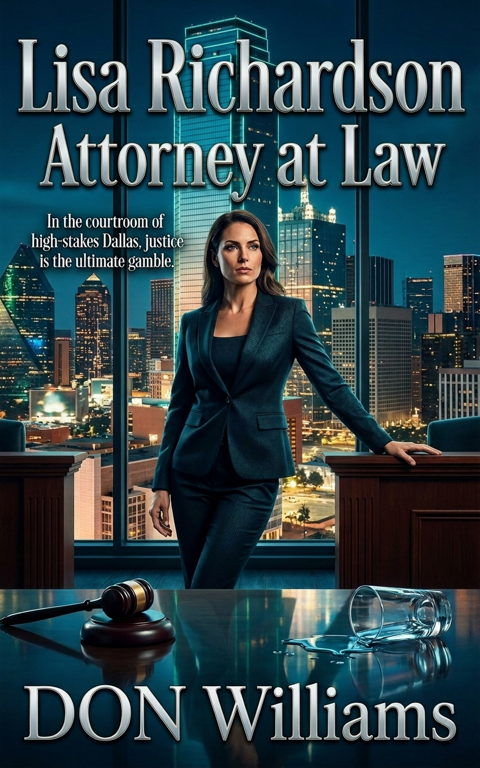
Lisa Richardson Attorney at Law
DON WilliamsDallas's top defense attorney gets a call from her ex: his son was found passed out in his girlfriend's apartment, and the girlfriend was shot in her bed. Lisa and her PI, Janet, work the case together. A legal whodunit in the Cuckoo's Calling vein, a pro and a partner working a death the police have already decided about.
Take the case: chapter 1 is free → -
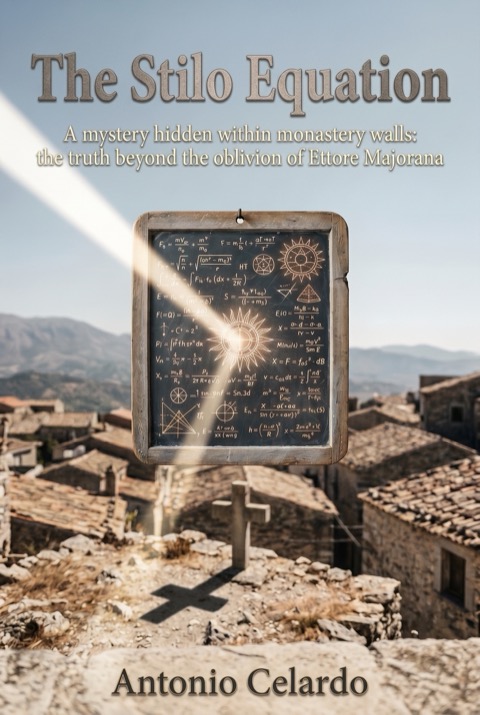
The Stilo Equation
Antonio CelardoEttore Majorana, the Italian physicist, disappeared in March 1938. Celardo's book sets aside suicide, flight and assassination and follows the theory that he retreated into a monastery under a false name. If The Daughter of Time was your favourite above, this is the same itch: a real historical vanishing, reasoned through.
Open the file, first chapter free → -
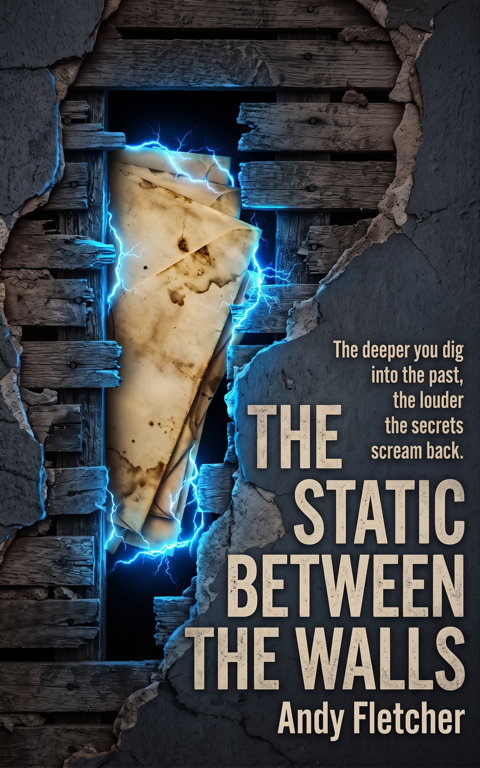
The Static Between the Walls
Andy FletcherA podcaster renovating a run-down historic house on air finds sealed letters inside a wall, dated thirty years ago to the day, and starts reading them live. A small-town psychological mystery with a very modern hook.
Read the first letter, chapter 1 → -
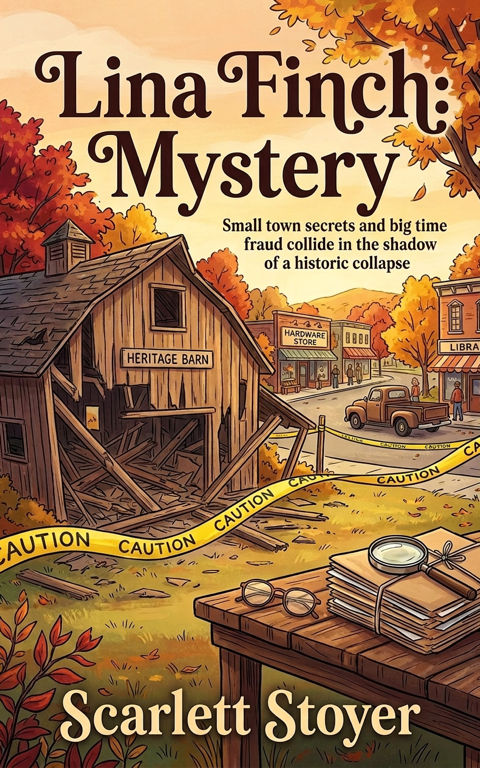
Lila Finch Insurance Mystery
Scarlett StoyerLila Finch runs the small-town insurance office and knows everyone's business, which makes her the obvious amateur sleuth. The first book in a cozy series; Still Life readers who liked the village more than the case should start here.
Meet Lila, chapter 1 free → -
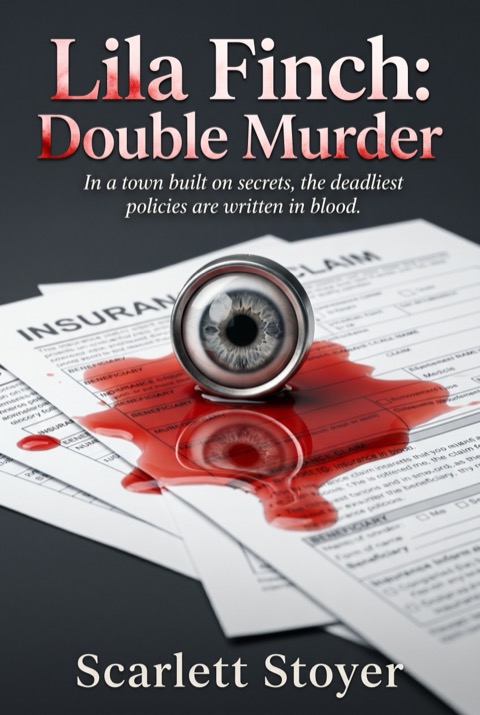
Lila Finch: Double Murder
Scarlett StoyerLila is back and two people are dead this time. The series tags it with stalker-thriller elements, so it runs tenser than a standard cozy.
Start the double murder → -
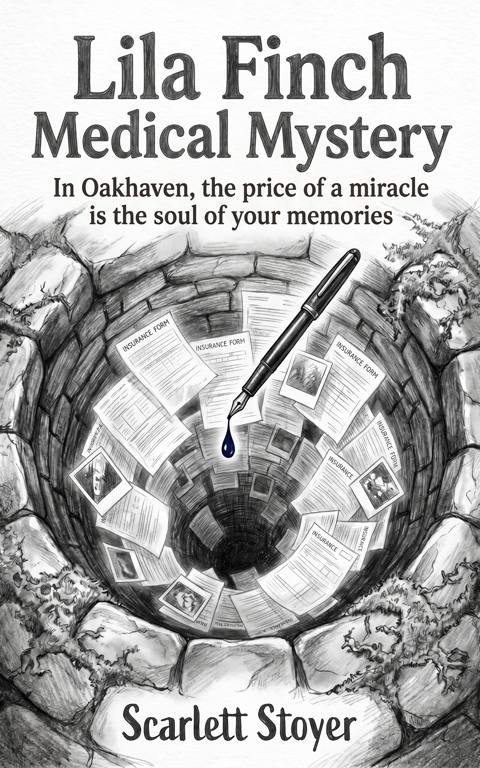
Lila Finch Medical Mystery
Scarlett StoyerPatients in Lila's town are recovering from fatal illnesses overnight, and the claims don't add up. Her billing audit leads to a clinic with an old well in the basement. Fair warning: this one goes paranormal, so it won't play by Knox's rules.
Audit the clinic, chapter 1 →
If you're picking for a teenager, the YA mystery list is a safer starting shelf. Want more choice? The free novels online page collects every genre on the site.