So if a wizard in Chicago is urban fantasy, what about a vampire falling for a waitress in small-town Louisiana? Or a man who slips through the cracks into a hidden London under the Tube? The answer to the first is yes, the second is "it depends who you ask," and the third is yes too, which tells you most of what you need to know. The "urban" part matters less than the "now." Urban fantasy is magic in the world you live in, with traffic and rent and a phone that dies at the wrong moment.
Two features separate it from other fantasy. The setting is our world, often a real city written with street-level detail: Butcher's Chicago, Aaronovitch's London, the French Quarter in half the vampire books ever written. And the plot usually runs like crime fiction. Someone is dead or missing, and the hero (often a PI, a cop, a hunter, a mercenary) has to work out which supernatural faction did it before things get worse.
Hidden magic or magic out in the open
Every urban fantasy makes one big decision early: does the ordinary public know?
The masquerade
Magic is secret. Humans walk past vampire bars without noticing. Much of the tension is keeping it that way. The Dresden Files and Neverwhere work like this.
The reveal
Everyone knows. Vampires go on TV to argue for their rights, magic knocks out the power grid, and the story is about living with it. Ilona Andrews's Kate Daniels series and Charlaine Harris's Sookie books both go this way.
Neither is better, but they read differently. The masquerade is paranoid and noir. The reveal tends toward politics and social satire.
Urban fantasy or paranormal romance?
This is the line readers argue about most, because the two share covers, creatures and cities. The quickest test: what would ruin the book if you cut it? Cut the romance from a paranormal romance and there's nothing left. Cut the romance from an urban fantasy and you still have a murder to solve. Urban fantasy also tends to follow one hero across a long series, with the love interest changing or slow-burning over many books, while paranormal romance usually delivers a couple and a happy ending per volume. If the couple is what you're after, the paranormal romance hub is the better shelf, and there's an overlap zone covered in our paranormal books list.
For the opposite end of the mood scale, where the setting is an invented world and the tone leans toward horror, see dark fantasy.
A short history in five books
- 1984–1987, the founders. Charles de Lint's Moonheart puts Celtic and Indigenous magic in Ottawa; Emma Bull's War for the Oaks drops a fairy war into the Minneapolis rock scene. The label starts here.
- 1993, the turn to noir. Laurell K. Hamilton's Guilty Pleasures introduces Anita Blake, vampire executioner, and the genre becomes about guns, crime scenes and monster politics.
- 1996, London Below. Neil Gaiman's Neverwhere shows how literary the form can be.
- 2000, the PI wizard. Jim Butcher's Storm Front launches The Dresden Files, still the series most people name first.
- 2020, the city as a person. N.K. Jemisin's The City We Became makes New York literally come alive, which is the genre's oldest idea taken all the way.
Four cities on NanoReads
Our indie catalog has urban fantasy set in three real cities and one decade. Each card says where the magic lives.
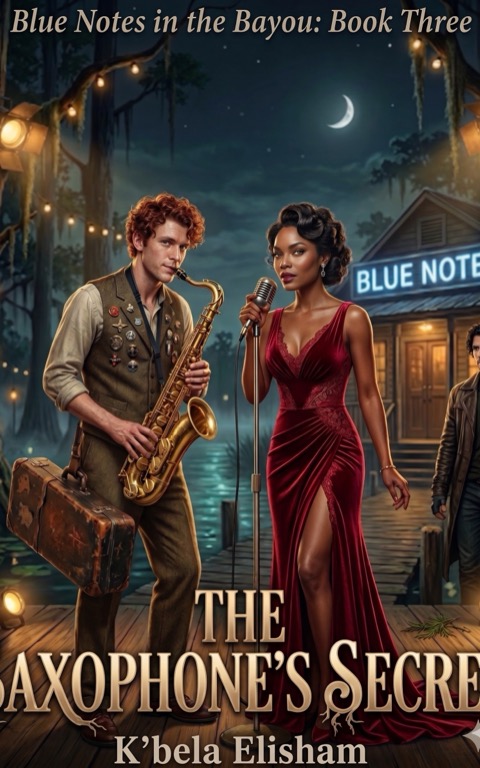 New Orleans
The Saxophones Secret
Disappearances in the French Quarter are taking only the city's strongest rootworkers, so the survivors team up with old rivals to stop the local ley lines collapsing, with a traitor somewhere in the room. Hoodoo, Southern gothic and a whodunit in one.
Read chapter 1 free New Orleans
The Siren's Root
Rising water brings drowned ghosts into the Quarter, the trail runs to an abandoned shipyard and a rebuilt faction of the Sanguine Court, and an artifact goes missing from a police evidence locker. Police procedure plus ghosts is textbook urban fantasy.
Open the first chapter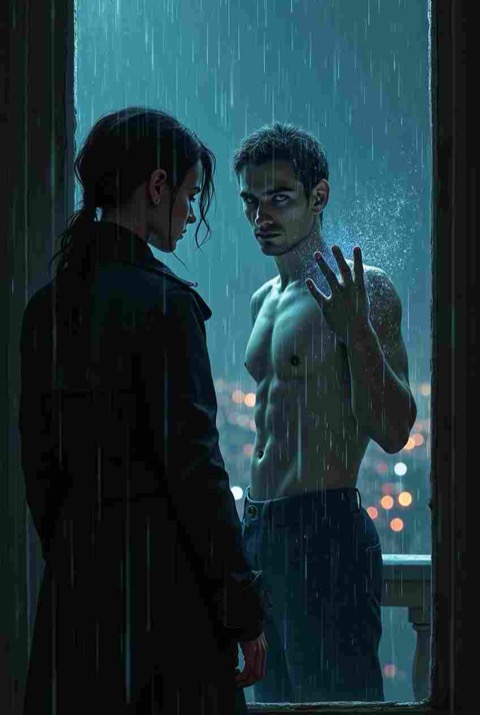 Seattle
 Storm Witch
Storm-witch PI Elara Vance takes the case when a prominent vampire is killed with forbidden Fae magic and the evidence points at the city's vampire Alpha. This one leans toward romance and is tagged steamy, so expect heat.
Start the case free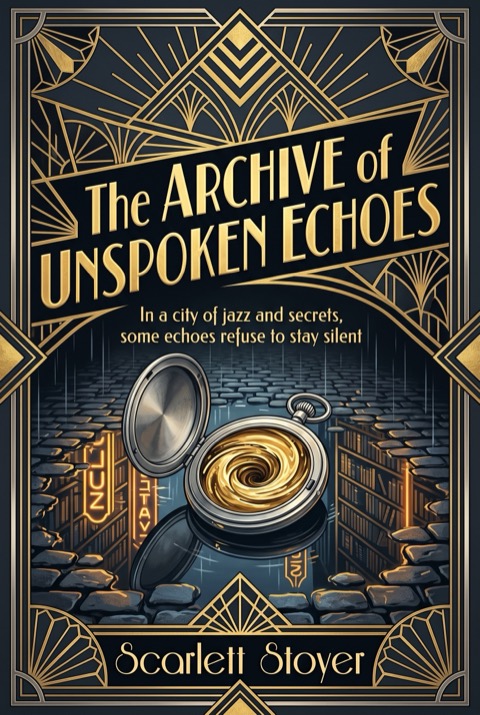 1920s Chicago
The Archive of Unspoken Echoes
A librarian keeps a secret collection of objects that hold the last words of the dead, until a locket plays a confession from a man who is still alive. Proof that urban fantasy can be cozy and historical as long as the city is real.
First chapter, no chargeAn edge case from the same catalog: Scarlett Stoyer's Lila Finch Medical Mystery has an insurance agent tracing impossible overnight recoveries to an ancient well under a small-town clinic. Same investigate-the-magic engine, but in a small town, so it's closer to paranormal cozy mystery. Not sure which flavor you want? The what should I read next quiz sorts that out in a minute.
Quick questions
Is Twilight urban fantasy?
Not really. Twilight has the modern setting and the hidden vampires, but the plot is the love story, so it's shelved as paranormal romance (and YA). Urban fantasy would make the investigation or the threat the main plot and let the romance be a subplot.
Does urban fantasy have to be set in a city?
Mostly, but not strictly. The genre began with stories set in real cities, and most still are. Small-town books such as the Sookie Stackhouse series often get the label too, because what readers really mean is fantasy in the contemporary, everyday world. Some people call the small-town version rural fantasy.
Is urban fantasy spicy?
The label says nothing about heat. Classic urban fantasy like Dresden or Rivers of London is mostly closed-door. Books that blend in paranormal romance can be very explicit. Check the individual book; the spice level checker helps.
Related terms and shelves
More modern-world and invented-world magic lives in our fantasy books hub.