Start with the definition, because the genre label gets used loosely enough to be nearly meaningless. A fantasy novel with a romantic subplot is not fantasy romance. A romance novel wearing a cloak is not fantasy romance either. The real thing needs both halves doing structural work: the magic system has to shape who these two people can be to each other, and the relationship has to shape what happens to the kingdom, the curse, the war. Take either half out and there is no book left, only a genre costume.
NanoReads carries ten serials that clear that bar with real range in how they do it — dragons and fae fighting over one woman, a suppressed blood-witch running from the queen who exiled her, a botanist who wakes an immortal guardian by accident. What follows sorts them by that structural test rather than by cover art or vibes.
The test is useful precisely because it's easy to fail without noticing. A publisher can slap "fantasy romance" on almost anything with a crown on the cover, and readers who go in expecting the load-bearing version get burned when the magic turns out to be scenery and the romance turns out to be the entire plot. That's not a defect in those other books — a straight romance with a fantasy setting can be a perfectly good straight romance — it's just a mislabeling problem, and mislabeling is exactly what a genre hub exists to correct. So before the shelf itself, three questions worth asking of any fantasy romance blurb: does the magic system constrain who these two people can be to each other, does the relationship's outcome actually change the world's fate, and would removing either half leave a recognizable book behind? Most of what follows passes all three. One entry, flagged honestly below, does not.
The anatomy of a fantasy romance plot
Every fantasy romance on this shelf is built from the same three load-bearing parts, in different proportions. Naming them makes it much faster to tell, from a blurb alone, whether a book will actually deliver what you want.
The forbidden mechanism
Something structural keeps the couple apart, and it has to be bigger than a misunderstanding. A queen who exiled the heroine at fifteen (A Crown of Blood and Ice). A married fisher woman and the selkie she doesn't know is a selkie (The Thistle Island Selkie). A rival kingdom's magic (The Starlight Thorn). The forbidding has to come from the world's actual rules, not from two people simply refusing to talk to each other.
The stakes that outrank the romance
A floating kingdom losing its power source (The Gravity of Shattered Crowns). Four seasonal kingdoms whose thousand-year truce is cracking (The Love Between Seasons). A dying world's forbidden magic (also Gravity, doing double duty). The best fantasy romance makes you believe the world genuinely might end, so that the couple choosing each other over the plot's demands actually costs something.
The creature doing the emotional work
Dragons, fae, and selkies aren't set dressing here — they're the mechanism by which desire gets literalized. Two men, one dragon-descended and one fae, growing "increasingly obsessed" over one woman in Bound by Fire and Shadow isn't a love triangle bolted onto a fantasy setting; the possessiveness is the magic system's logic made flesh. When a fantasy romance's monster romance elements feel gratuitous, it's usually because part three got added without parts one and two actually supporting it.
🐉The shelf
Book by book
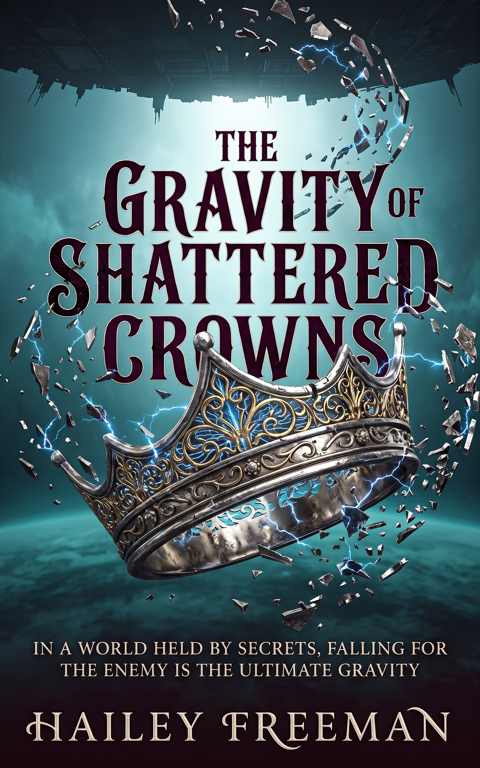
The Gravity of Shattered Crowns by Hailey Freeman opens with a low-ranking engineer on a decaying space station who discovers she can manipulate the gravity of ancient artifacts keeping a floating kingdom aloft. Captured and forced into an elite military academy to weaponize the discovery, she's tagged enemies-to-lovers and magic-academy both, and the sci-fi/fantasy blend (space opera bones under a fantasy magic system) makes this the shelf's most structurally ambitious entry. Board the station free.
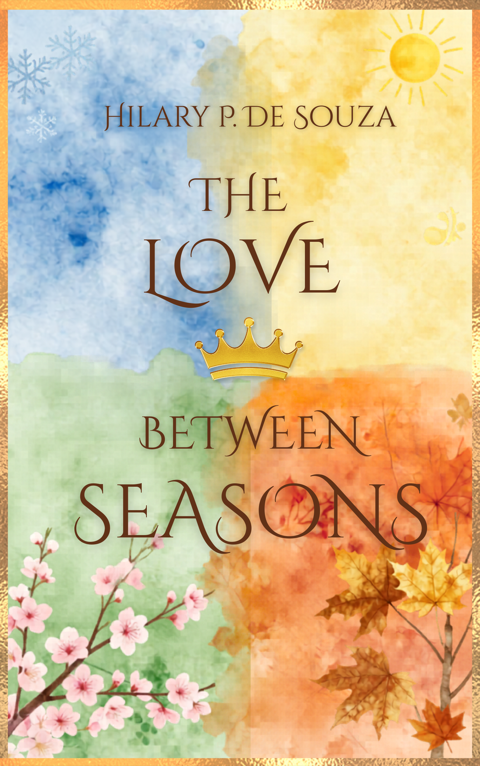
The Love Between Seasons by Hilary P. De Souza sets a chosen-one plot inside four Seasonal Kingdoms — Summer, Spring, Autumn, Winter — whose thousand-year truce is fracturing. Filed YA-romance alongside its fantasy tags, this is the shelf's gentlest heat level and its most classically structured chosen-one arc. Cross the seasons free. 🌶️🌶️🌶️🌶️🌶️1/5 — closed door, forbidden-love tension
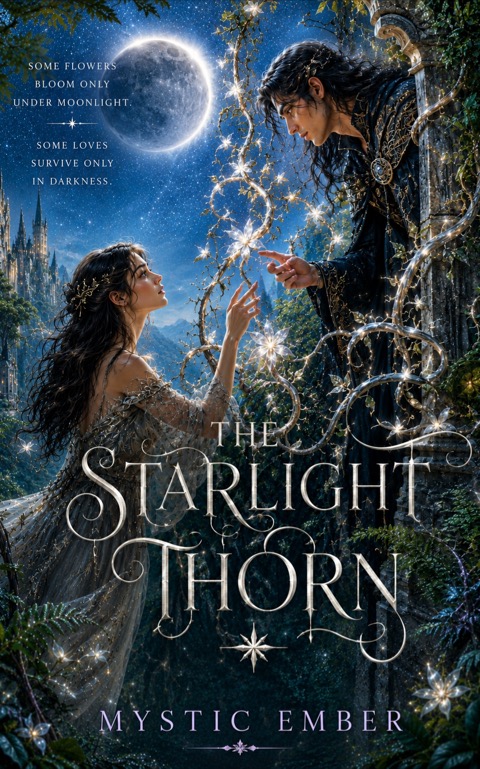
The Starlight Thorn by Marlene Dawson (writing as Mystic Ember) gives a cursed botanist a vine that blooms only during eclipses — and a guardian she accidentally wakes when she picks it. Kingdoms go to war over the plant's magic while she and the guardian choose between saving the realm and keeping each other. Compact, forbidden-love-forward, low on content warnings. Wake the guardian free.
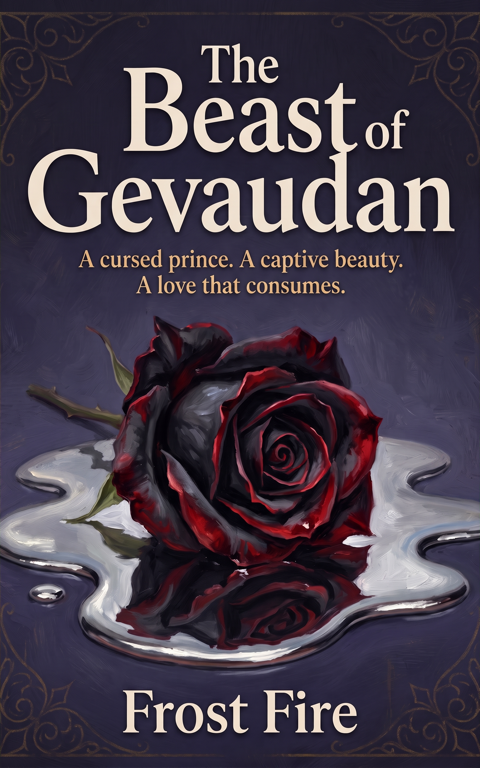
The Beast of Gevaudan by Frost Fire retells Beauty and the Beast in rococo France, with Belle drawn to adventure and a father who vanishes after stealing a rose from a cursed castle. The tags are the most direct heat warning on this whole page: dark-erotica, bdsm, fantasy-erotica, monster-romance. If the fairy-tale premise sounds cozy, the execution isn't — go in knowing that. Enter the castle free.
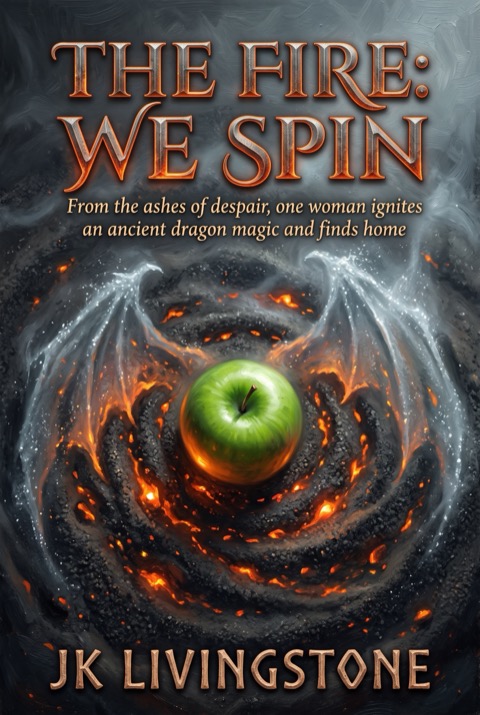
The Fire: We Spin by JK Livingstone is, by its own catalog description, the hardest synopsis on this page to parse cleanly — the source text is genuinely garbled in places. What the tags tell you plainly: dragons, magic academy, friends-to-lovers, mafia-romance and military-romance all stacked on one premise about a grieving woman finding stability. Read it as the shelf's most maximalist trope-stack rather than expecting tidy prose in the blurb; the chapters themselves are where it has to prove the mash-up works. See the stack free.
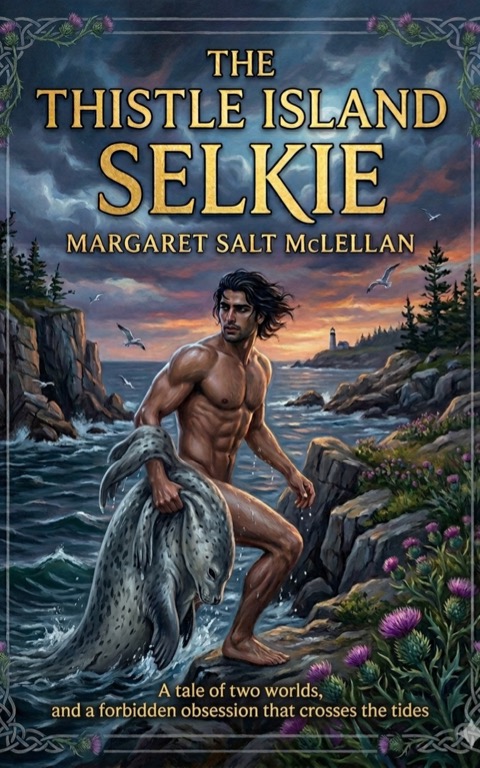
The Thistle Island Selkie by Margaret Salt McLellan puts a married fisher woman on the coast of Maine in a romance with the man who saves her from drowning — before she learns he's a selkie who fathered her child. Affair, revenge and a body found floating near a boat push this well past "cozy Celtic folklore" into genuine dark-romance territory. Meet the selkie free.
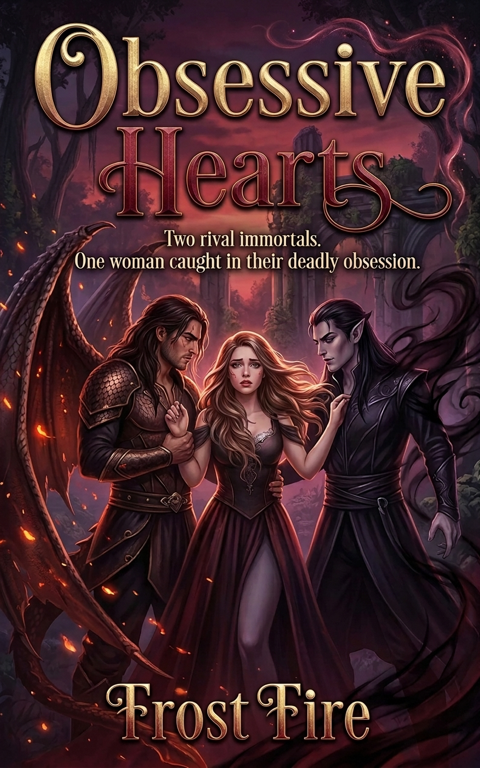
Bound by Fire and Shadow by Frost Fire is the clearest example of part three of the anatomy above: two men, one dragon-descended and one fae, growing obsessed with the same woman until the story becomes a fight over her rather than a fight for her. Tagged bdsm and dark-erotica alongside the love-triangle and slow-burn labels — explicit, and unapologetic about it. Choose a side free. 🌶️🌶️🌶️🌶️🌶️4/5 — explicit, dark themes tagged
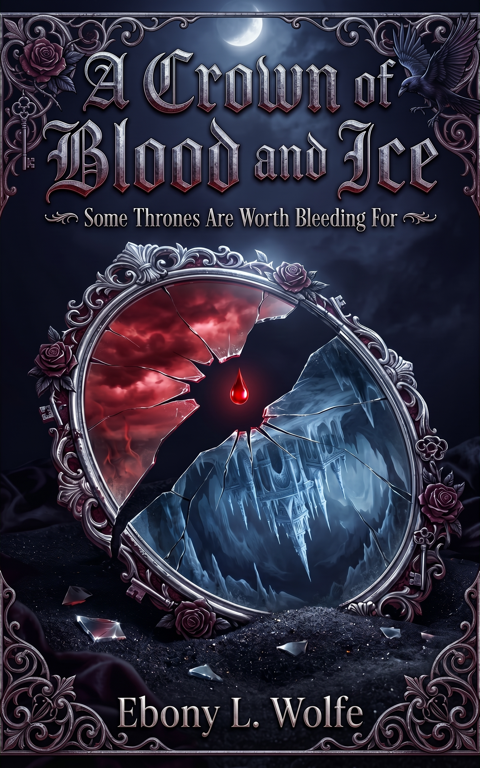
A Crown of Blood and Ice by Ebony L. Wolfe follows Callie Dawnvael, exiled at fifteen for blood-magic the queen feared, surviving seven years on the surface world's margins before a blood-trail pulls her back toward the throne that cast her out. Enemies-to-lovers and dark-fantasy tags both apply, and the exile premise gives the forbidden-mechanism part of the anatomy real teeth. Follow the blood-trail free.
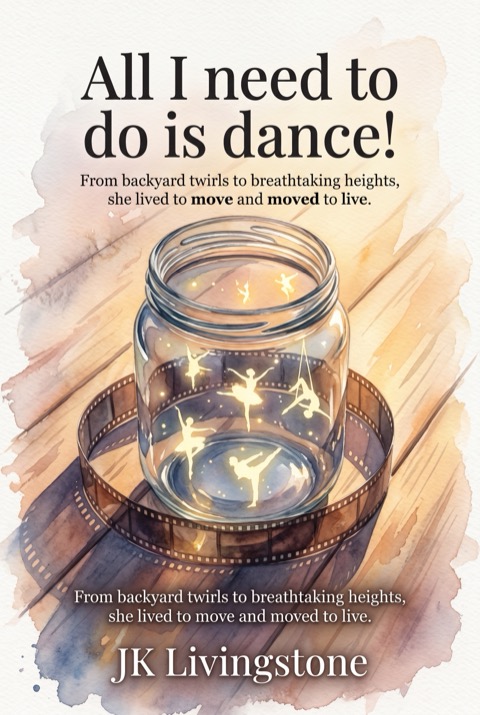
All I need to do is dance! by JK Livingstone is the shelf's honest outlier. Its own description reads as a coming-of-age story about a girl who loves ballet, jazz, tap and modern dance — no love-story-versus-kingdom stakes visible in the synopsis at all, despite epic-fantasy and romantic-comedy tags. We're not going to oversell it as a magic-and-romance plot it may not deliver; it's here because the crosslink map flagged it, and we'd rather tell you the mismatch upfront. Judge the tags yourself, free.
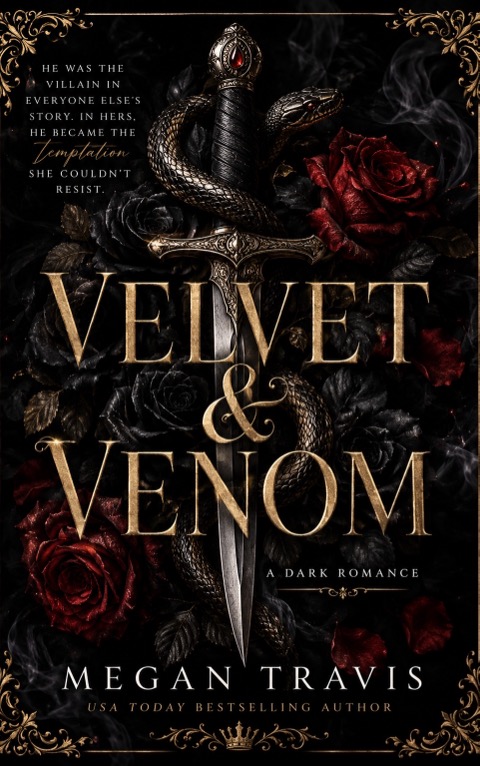
Velvet & Venom by Megan Travis trades kingdoms for a contemporary-adjacent dark-fantasy thriller: journalist Isla Bennett uncovers secrets tied to the feared Roman DeLuca and ends up under his protection, with the tension between them "igniting into a passion neither can resist." Forbidden-love and dark-romance tags, closer to a dark-romance hub pick with a fantasy dusting than a full magic-system fantasy romance. Read the exposé free.
Heat level, honestly
This shelf runs the full range NanoReads carries, from closed-door forbidden tension to explicit dark-erotica, and the tags above are not decoration — they're the actual content flags the catalog assigns. The Love Between Seasons and The Starlight Thorn sit at the gentle end. Bound by Fire and Shadow and The Beast of Gevaudan sit at the other, tagged bdsm and dark-erotica both. If you want a page built specifically around sorting by heat rather than by plot structure, our spice level checker rates individual titles, and the dark romance hub is the better home base if intensity is what you're actually shopping for.
Worth noting how heat and structure interact rather than run independently: the two most explicit entries on this shelf, Bound by Fire and Shadow and The Beast of Gevaudan, are also the two where the "creature doing the emotional work" part of the anatomy above is most literal — a dragon-fae rivalry made physical, a cursed beast whose animal nature isn't metaphorical. That's not a coincidence particular to this catalog; monster romance as a subgenre tends to push heat level up precisely because the creature element gives writers permission to make desire more overt than a straightforwardly human couple would allow on the page. If dragons and beasts aren't your interest but the forbidden-love structure is, A Crown of Blood and Ice gives you the tension without the creature layer at all.
Never read fantasy romance? Start here
The gentlest door is The Starlight Thorn: forbidden love, a war over magic, no heavy content warnings. If you want the trope stacked higher, A Crown of Blood and Ice gives you exile, enemies-to-lovers and a genuine kingdom at stake. And if you already know you want the intensity — the possessive dragon-and-fae love triangle, the dark-erotica tags — Bound by Fire and Shadow is the honest deep end, not a book to start with if you're testing the genre for the first time.
Still torn between fantasy romance's structural balance and romantasy's BookTok-coined vibe-first reading experience? They overlap more than the separate search terms suggest — see our romantasy hub for the sister shelf, curated around courts, creatures and community vocabulary rather than plot anatomy.
Questions readers actually ask
What actually separates fantasy romance from romantasy?
On this catalog, not much — the terms overlap heavily. If you want the finer-grained distinction and a differently curated shelf built around BookTok's specific vocabulary, see our romantasy hub. This page leads with the structural definition: a fantasy plot and a romance plot carrying equal narrative weight.
Is every book here spicy?
No. Several, like The Starlight Thorn and The Love Between Seasons, keep things at forbidden-love tension without explicit scenes. Others, tagged dark-erotica or bdsm, go considerably further. We flag heat level per book above rather than assuming one house setting.
What's the gentlest entry point on this shelf?
The Starlight Thorn or The Love Between Seasons. Both run on forbidden-love tension and world-ending stakes without heavy content warnings, which makes them the easiest place to test whether fantasy romance is your genre.
Why is a book about ballet lessons tagged fantasy romance?
All I need to do is dance! carries epic-fantasy, urban-fantasy and romantic-comedy tags over what its own description frames as a coming-of-age dance story. We're flagging it honestly as the shelf's least conventional entry rather than pretending it delivers a standard magic-and-romance plot.
Does free actually mean free?
Chapter one of every serial on NanoReads is free, no card and no trial. Ten minutes in, you'll know if the magic-to-romance ratio is the one you wanted.