A friend of mine hit chapter nine of her first reverse harem at one in the morning and texted me in visible distress: "wait. WAIT. she doesn't have to choose??" Three question marks, then a follow-up at 1:47am: "why did nobody tell me this was allowed." She had spent fifteen years reading love triangles — fifteen years of Team This and Team That, of watching authors assassinate a perfectly good love interest's character in book three so the choice would feel clean — and no one had told her there was a whole genre built on refusing the question.
So let me be the one who tells you. Reverse harem, RH to its friends, "why choose" on BookTok: a romance where the heroine ends up with three or more love interests, together, permanently. Not a phase. Not a competition she'll eventually judge. The harem is the happily-ever-after.
This page is the orientation my friend never got: the terminology, the six RH serials on NanoReads worth your first week, how to read the format so it clicks instead of confusing you, and how to decode a blurb before you commit. Every book here opens free, so the tuition for finding your lane is zero.
👑The rules of not choosing
The name comes from flipping the classic harem setup — one man, many women — into one woman (or one omega; more on that below) with multiple men. But the modern genre has drifted a long way from that origin, and honestly the BookTok term "why choose" describes it better than "reverse harem" ever did. The promise to the reader is specific: every love interest is a full character, every relationship gets real page time, and the ending doesn't make her pick.
Three neighboring terms people mix up, untangled:
Love triangle: two options, one winner, one shipwreck. The thing RH readers are actively fleeing.
Ménage: usually a threesome, often centered on the arrangement itself; romance's term for the compact version. Cry Dust below carries this tag.
Reverse harem / why choose: three-plus love interests and a group HEA. The guys' relationships with each other — rivalry, brotherhood, negotiated peace — are half the story's furniture, and the good authors know it.
One more thing newcomers deserve to hear straight: RH spans every heat level from fade-to-black to filth, and this shelf leans warm-to-explicit. If you need to calibrate before you commit, the spice checker exists for exactly this, and the smut glossary settles what the labels mean.
✨The why-choose shelf
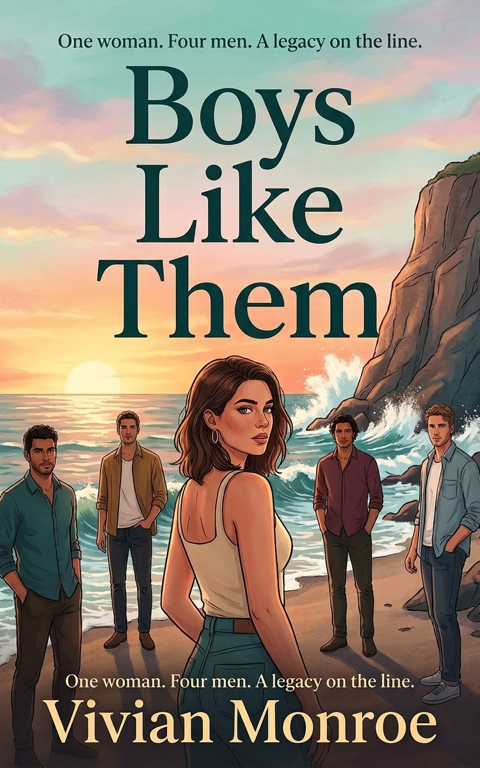
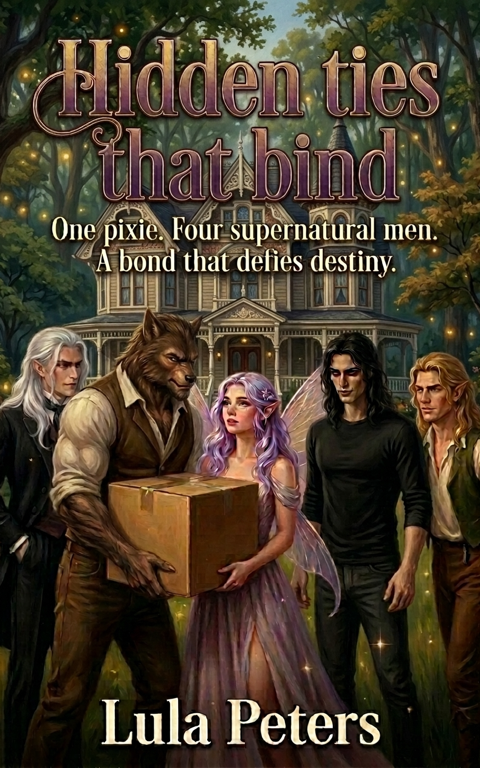
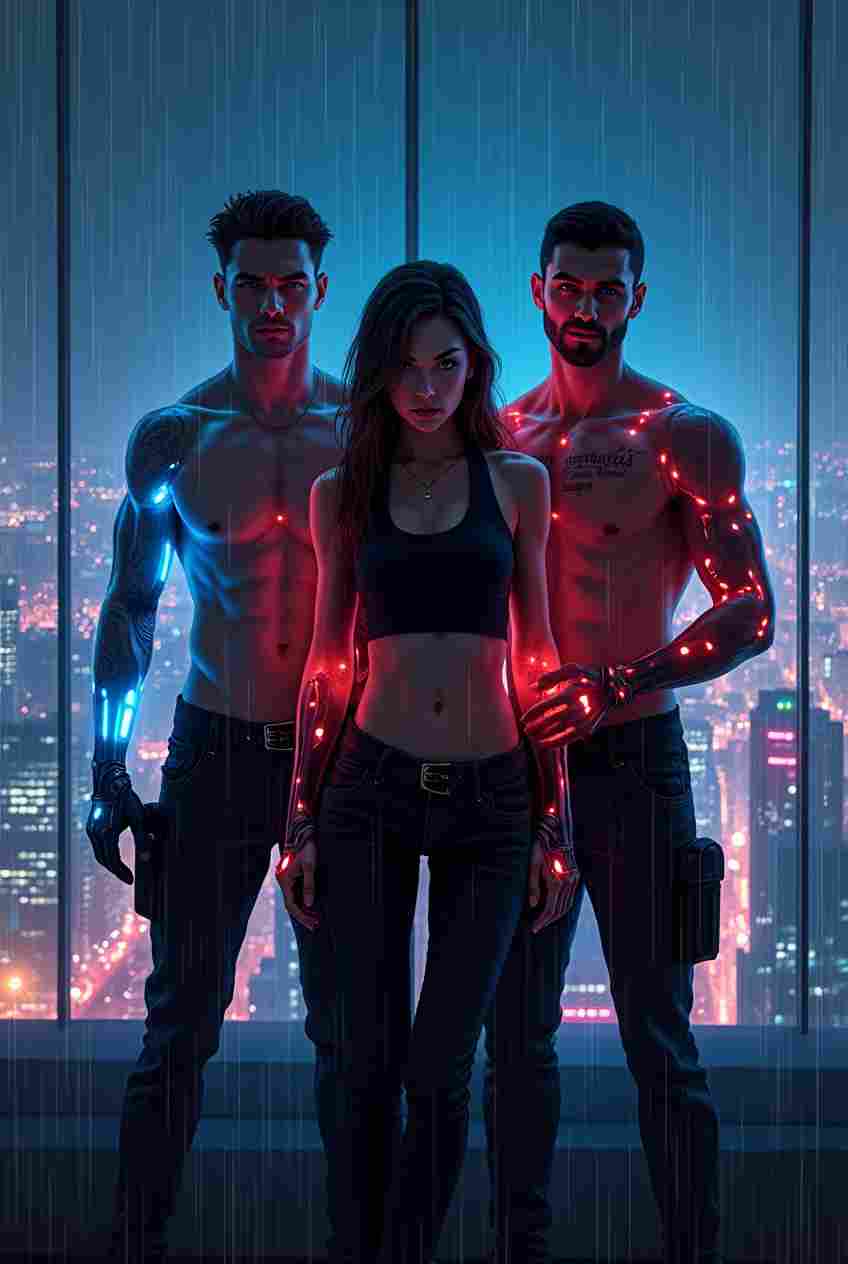

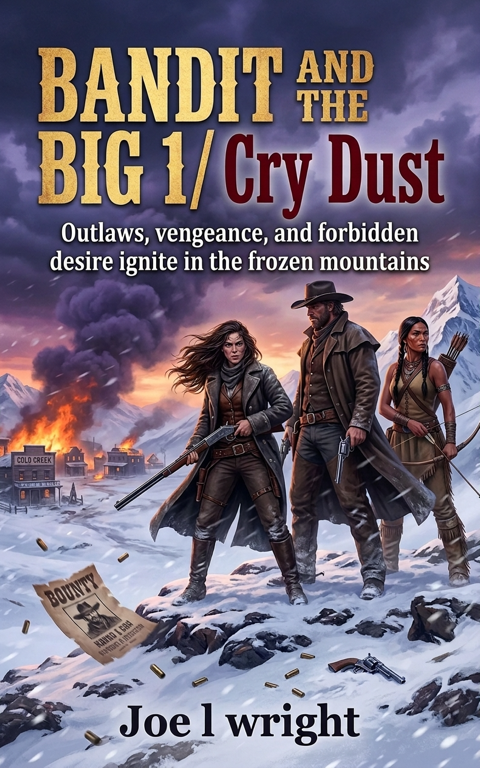
Six serials, six very different harems. Details below; every first chapter free.
💘A closer look at each
Boys Like Them — Vivian Monroe. 🌶️🌶️🌶️🌶️🌶️explicit
The flagship of this shelf and the correct first RH for most people. One heroine, four lead males, a coastal college town, and an enemies-to-lovers charge running through the whole arrangement. It's the contemporary, recognizable version of the genre — no fangs, no fated bonds, just four boys who started as adversaries. Vivian Monroe wrote it as a proper reverse harem from the ground up rather than a triangle with extra guests. Chapter one costs you nothing but your evening plans.
Hidden Ties That Bind — Lula Peters. 🌶️🌶️🌶️🌶️🌶️open-door, rom-com tone
A pixie moves in across the street from four housemates: a warlock, a vampire, a werewolf, and a fae. She takes a job at the coffee shop they frequent; the werewolf carries her moving boxes; you can see where this is going and it's lovely the whole way there. This is the cozy corner of RH — found family first, supernatural rom-com second, heat third but present. It's also the front door to Lula Peters' shared universe over on the werewolf shelf.
Forced Mate Trinity — Luna Blackwood. 🌶️🌶️🌶️🌶️🌶️explicit, dark edges
Handed over as a "peace offering" to Jax and Koda Volkov — twin alpha cyborg wolves ruling the Iron Fang pack from a fortress of chrome. Sci-fi, shifters and forced-proximity RH welded into one chassis. The "forced" in the title is doing real work: this is the darkest entry on the shelf, with a bond neither she nor the twins asked for. War and survival tags included.
Lunar Mates: Twin Commanders — Luna Carlisle. 🌶️🌶️🌶️🌶️🌶️explicit
Bio-healer Elara Vance survives on colony LMC-7 — harsh metal, recycled air — until the station's twin commanders lock eyes with her across the bridge and the fated-mate shock hits all three at once. Same twin-alpha geometry as Forced Mate Trinity but consensual-instant instead of coerced, which makes them a genuinely useful pair: read both and you'll know exactly where your RH comfort zone sits.
Bandit and the Big 1: Cry Dust — Joe L. Wright. 🌶️🌶️🌶️🌶️🌶️dark western erotica
The outlier and proud of it: a revenge western where a bounty hunter with a false warrant flushes Bandit and Big 1 out of hiding and into the northern mountains. The ménage tag puts it on this shelf; the gunsmoke keeps it unlike anything else here. Sequel to Bandit and the Big 1, so start there if you want the full origin — outlaws, lawmen, kidnapping and all.
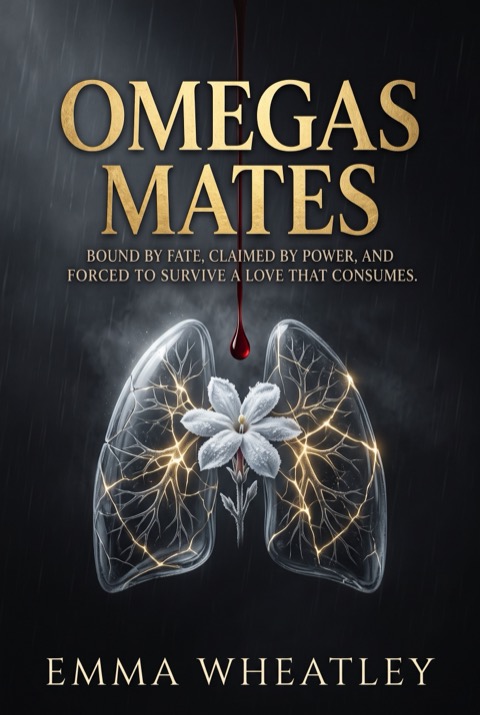
Omegas Mates — Emma Wheatley. 🌶️🌶️🌶️🌶️🌶️dark omegaverse
The M/M entry: sickly omega Ben Kanobi is taken from his pack by brothers Liam and Ani Jin, his mates "wither he wants to be or not," as the author's blurb puts it. Two honest flags, then you decide: the consent question is the premise, not a bug, and this is omegaverse — biology-driven claiming, not courtship. Adjacent to RH rather than textbook (two mates, not three), but readers who work through this shelf keep asking for it.
🧩How to actually read one of these (what nobody explains)
My 1am friend had a second crisis around chapter twenty, and it's one every newcomer hits: "I like two of them and I'm bored of the third — is the book broken?" No. That's the format working. Here is the mental adjustment that makes RH click, and it took her three books to find it on her own.
Stop reading it as several romances stapled together. A love triangle trains you to audit — compare the men, keep score, predict the winner. RH asks you to retire the scorecard entirely. The heroine isn't the referee of a competition; she's the center of a structure being built around her. The real question of any chapter isn't "which one is pulling ahead," it's "what does this configuration look like when it's finished."
The men's relationships with each other are the second plot. This is the genre's open secret. How the four housemates in Hidden Ties That Bind negotiate sharing a street with the same pixie, how twin commanders split a bond that hit both of them at once — that's not filler between romance scenes, that is the book. A skilled RH author spends as much care on the brotherhood, the rivalry, the reluctant truce between love interests as on any kiss. When readers say a harem "feels real," this is the part they mean.
Uneven attachment is normal — in you and in her. Almost every RH reader has a favorite in the lineup and a slow starter they warm to by the end. So does the heroine, usually. The genre doesn't require her to love everyone identically on the same schedule; it requires the ending to hold everyone. Give the boring one time. He's frequently the author's long game.
🚪Start here, by flavor
"Give me normal, but four of him." Boys Like Them. College, contemporary, zero supernatural paperwork. It shares custody with the enemies to lovers hub, so you get two tropes for one click.
"Cozy, funny, magical." Hidden Ties That Bind, no contest. If the paranormal-sweetness ratio works on you, our paranormal love stories list keeps that shelf going.
"Dark, claimed, no exit." Forced Mate Trinity, then Omegas Mates if you want it darker still. Between them sits the whole dark romance question, and that hub's content notes are required reading first.
"Fated and shameless about it." Lunar Mates: Twin Commanders. Space station, instant bond, no apologies.
"Surprise me." Cry Dust. Nobody expects the western.
Finished something and want more of exactly that? Feed it to the books-like finder and it'll pull the nearest neighbors from the whole catalog, RH and otherwise.
🔎Reading an RH blurb like a local
Once you're past your first book, you'll be hunting for your second on tags and blurbs alone, so learn the dialect now. A few signals worth trusting:
"Why choose" in the tags is a promise. Authors use it deliberately, because RH readers have been burned by bait — books that assemble a harem and then quietly thin it to one man for the finale. A serial that plants the flag in its own marketing is telling you it knows the contract.
Count the names in the blurb. If three or more love interests are named up front — Jax and Koda, Liam and Ani — they're all endgame. RH blurbs introduce the whole roster because the roster is the product. A blurb that names one man and gestures at "others" is usually a love triangle in a trench coat.
"Ménage" means the arrangement is the focus; "harem" means the people are. Rough rule, but it holds: ménage titles like Cry Dust tend to arrive with the group already formed or forming fast, while harem builds are slower assemblies where each member gets a recruitment arc. Neither is better. They're different rides, and knowing which you're boarding saves disappointment.
Dark tags modify everything. "Forced," "captive," "claimed" next to an RH tag means the group forms under coercion before it becomes something else — Forced Mate Trinity is the house example. If that arc reads as thrilling to you, wonderful; if it reads as a dealbreaker, equally wonderful, and now you know to check. The dark romance hub covers how to vet those labels properly.
And a small consumer note, since NanoReads serials release in ten-minute chapters: RH actually benefits from the format more than most genres. A four-person courtship needs room, and a serial gives each love interest whole chapters to himself instead of a paragraph in a montage. The structure that makes these books long is the same one that makes them bingeable.
💬Questions every RH newcomer asks (answered straight)
Yes. That's the deal. If a book markets itself as RH and then makes her choose in the last act, readers riot, and they're right to. The group ending is the genre's one non-negotiable.
Not inside the story, no. Everyone's in, everyone knows, and the negotiation of how it works is usually the richest material in the book. The genre's actual subject is abundance — being fully chosen by more than one person — which is exactly why it reads like a fantasy worth having.
No and no. The classic shape is F plus several M, and most of this shelf follows it, but Omegas Mates runs male omega with male alphas. The label describes the geometry, not the genders.
On this shelf: from Hidden Ties' warm open door to fully explicit. RH as a genre goes both hotter and tamer than what's here. Check tags, or let the spice checker do it.
Faster than you'd think — good RH authors are ruthless about differentiation, because a harem of interchangeable men kills the book. Each love interest gets his own voice, role and problem (the warlock does not carry moving boxes; the werewolf does). If you're still mixing two of them up five chapters in, that's the author's failure, not your memory's, and it's a fair reason to switch books.
Bound to Our Enemy on the enemies to lovers shelf is a twin-alpha RH gateway wearing a peace-treaty premise, and the smut books hub catches everything that's too hot to file anywhere else. The catalog grows monthly; this page updates with it.