That is the verdict, and it shaped this list. The men's shelf in any bookshop is heavy on cold showers, 5am alarms and Navy SEALs. Two of those books are here, because discipline genuinely is the problem for some readers. But the books that change the most for the most men are about shutting down, resentment, loneliness, money and health, and they sell less because nobody wants to be seen buying them.
So the list below is not ranked. Pick the line that sounds like you, take that one book, and skip the rest. If you want the general habit-and-productivity canon instead (Atomic Habits, Deep Work and so on), that lives in our best self-help books list, and the sibling guide, self-help books for women, sorts its picks by problem the same way.
Which one is you right now?
The shelf, by situation
I Don't Want to Talk About It
Real is a family therapist, and his argument is that many men are depressed without knowing it, because male depression is covert: it looks like working late, drinking more, going quiet. The case histories are what make it land, including his own father.
No More Mr. Nice Guy
Glover's central idea is the covert contract: you do something kind, expecting something back that you never ask for, then fume when it doesn't arrive. Some chapters on sex and dating have dated badly, but the covert contract idea is worth the price on its own.
Billy No-Mates
Dickins, a comedian, realised while planning his wedding that he had nobody obvious to ask to be his best man. The book is his attempt to work out why, part research and part sheepish experiment. It is the funniest book on this list and maybe the most useful.
Extreme Ownership
Two former SEAL officers from Ramadi. The opening chapter tells how a firefight between two friendly units ended in casualties, and how Willink took the blame himself in the debrief. The rest applies that to business teams. Repetitive, but the core idea is hard to argue with.
Can't Hurt Me
An abusive childhood, then obesity, then SEAL training and ultramarathons. Each chapter ends in a challenge: the accountability mirror, the cookie jar of past wins, the claim that when you think you are done you are only about 40 percent in. Inspiring for some readers and corrosive for others; it treats rest as weakness.
The Psychology of Money
Twenty short chapters, each one a story. The argument is that how you behave with money matters more than how clever you are with it, and that being reasonable beats being rational. No budgeting spreadsheets. You can finish it on a weekend.
Outlive
Attia's frame is the "centenarian decathlon": decide what you want to be able to do at ninety, carrying grandchildren, getting off the floor, then train for that now. He is blunt about the four big killers and about strength and cardio fitness. Long and technical in places.
Of Boys and Men
Not self-help, strictly: a policy book from a Brookings scholar about why boys and men are falling behind in school, work and family life. It earns its place because so many men read it and finally understood their own path. His proposal that boys start school a year later starts arguments.
Meditations
A Roman emperor's private notebook, never meant to be published. Book Two opens with him reminding himself that today he will meet interfering, ungrateful, arrogant people, and that none of them can harm him. Hays's 2002 translation reads like a modern diary. Read one page in the morning.
Free reads on NanoReads for the same problems
NanoReads is mostly a fiction app, and its self-help shelf is small and written by independent authors. Some of it lines up with the situations above surprisingly well, and the first chapter of each book is free, so checking costs nothing.


If the Outlive card hit home, start with Men's Health By Decade's, which sets out health priorities for men decade by decade, from building habits in your twenties to the checkups that matter later. It is a practical checklist rather than an argument, and the first chapter is free.
Starting Over is a man's own account of drinking himself into the hospital, a divorce, a repossessed car, selling drugs and then getting a job, and a betrayal by his best friend. It sits next to Real and Goggins: what rebuilding looks like from the inside. Faith runs through it. Read chapter one free.
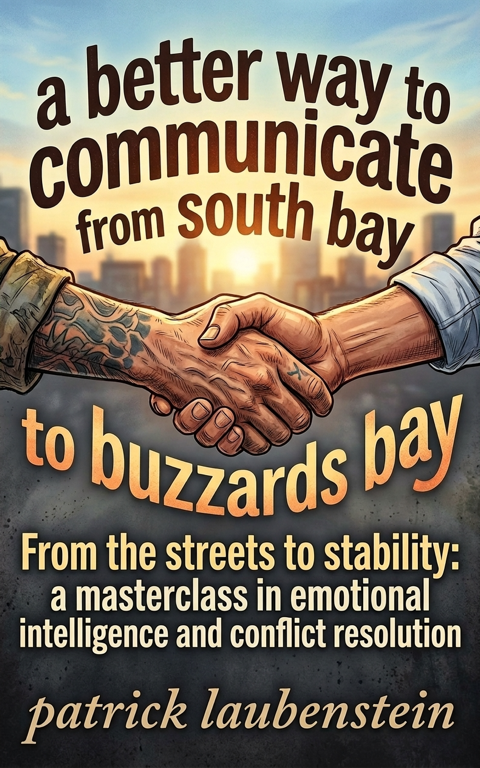
For the Glover and Dickins readers, a better way to communicate is a self-help memoir about communication. Its listing tags point to emotional intelligence and to incarceration; the blurb is one line, so the free first chapter is the honest way to find out what it is.
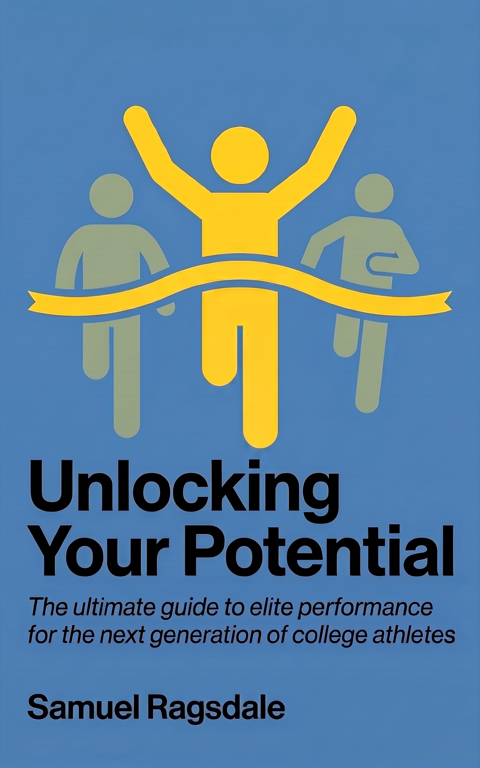
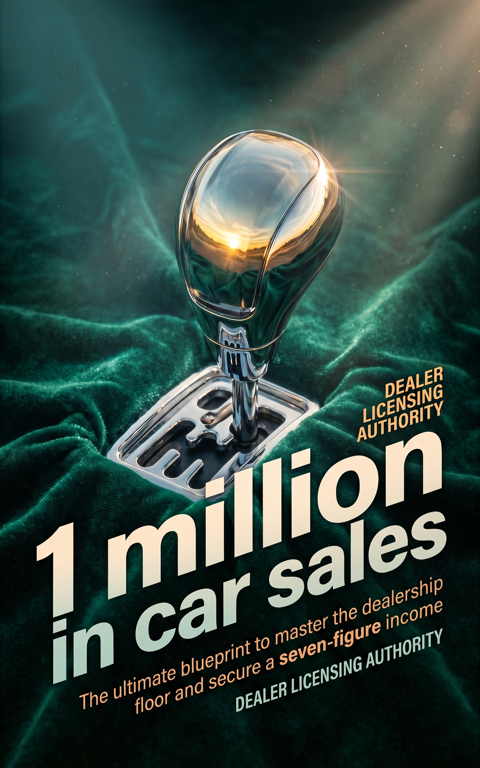
Two are narrower. Unlocking Your Potential is written for high school athletes trying to reach the next level, covering mindset, goal setting and diet, so it suits a teenage son better than his dad. 1 million in car sales is exactly what it says: a how-to on selling cars and earning up to a million in your first year. Both start free.
Sometimes the most useful thing for a stressed brain is a story that switches it off for an hour. The thriller books hub is a good place for that, the free novels shelf has everything else, and the read-next quiz will pick for you in about a minute.
How to get anything out of these
Read one book, not three. Pick the single idea that stung, whether that was covert contracts, covert depression or taking the blame first, and try it on one real person this week. Then tell someone you read it. That last part sounds soft, and it is the step most men skip, and it is the whole subject of Billy No-Mates.