You made the list in January. It has fourteen books on it, four of them are eight hundred pages, and the one on your nightstand has been open at page sixty since a Tuesday you can no longer place. Every article you open to fix this hands you the same five prize-winners in a slightly different order. So here is a different shape of answer for what books to read in 2026: not a ranking, but one book for each state you might be in when you pick something up.
Some of these are recent. Several are decades old. That is deliberate, and it is the first honest thing on this page.
🚫Why there are no numbers on this list
Ranking books against each other is a category error. A novel that is perfect at 11pm when you cannot hold a thought for more than four minutes is a terrible novel to hand someone who wants to be wrecked, and both of them are wrong for the person who just needs to enjoy reading again after six months of not finishing anything. Putting those three books in positions one, two and three tells you nothing except which one the writer liked most.
The other thing most "best books to read in 2026" lists quietly do is imply everything on them came out this year. I am not going to claim that. Publication dates for the current year are the easiest thing in the world to get wrong, and a book being twelve months old has never once made it worse. This is a list of good books to read during 2026, backlist included and unapologetically so. Half of what you will love this year was published before you were paying attention.
One book per state. Read the state, not the book title. If two of them describe you at once, take whichever one you would be embarrassed to admit to, because that is usually the accurate one. And if none of the eight fits, you are probably not in a reading mood at all, which is allowed in January and allowed in August.
Convenience Store Woman — Sayaka Murata
Keiko has worked the same Tokyo convenience store for eighteen years and is very good at it. She knows the store's sounds well enough to hear a shortage of milk before anyone reports it, and she has assembled her personality out of borrowed speech patterns from her coworkers so that people will stop asking what is wrong with her. It is short, flat-voiced, and quietly savage about how much performance ordinary life demands. You can finish it in two sittings and it will not ask you to hold a single subplot in your head.
Never Let Me Go — Kazuo Ishiguro
Kathy narrates her childhood at an English boarding school in a mild, orderly voice, and it takes you a long time to understand what she is describing, mostly because she understood it late herself. Ishiguro's cruelty is procedural: the characters never rebel, because nobody ever told them rebelling was on the menu. The tears come at the very end, on a flat field, over something small. Slow start, and the slow start is the machine.
The Haunting of Hill House — Shirley Jackson
Four people spend a summer in a house built at wrong angles, and the horror arrives through Eleanor, who wants so badly to belong somewhere that the house obliges. The famous bit is hands held in the dark, and what Eleanor works out afterward about whose hand it was. Jackson barely shows you anything, which is why it stays. If you want atmosphere rather than adrenaline, this is the one; our horror shelf covers the louder end.
Piranesi — Susanna Clarke
A man lives alone in an endless house of marble halls, with tides that come through the lower floors and statues he has catalogued and named. He is happy. He keeps a careful diary. Something about his account does not add up, and finding out what turns a strange, calm book into a fast one. Diary entries are short, the mystery is clean, and it is the most reliable slump-breaker I know: nothing to keep track of, everything to wonder about.
Her Body and Other Parties — Carmen Maria Machado
Eight stories, most of them finishable on one leg of a commute. The famous one recasts the green-ribbon campfire tale as a marriage; another retells years of Law & Order: SVU episodes as a haunting and is far better than that description deserves. Uneven by design, and the peaks are extraordinary. If short-form is your permanent mode rather than a phase, the short story guide sorts more of them by how long they take.
Say Nothing — Patrick Radden Keefe
It opens with the 1972 abduction of Jean McConville, a widow taken from her Belfast flat in front of her ten children, and follows the people involved for the next forty years. Keefe structures history as a whodunnit without ever cheapening it, and the last section, built around the Boston College oral history tapes, lands like a trap closing. Nonfiction that moves faster than most novels.
The House in the Cerulean Sea — TJ Klune
A rule-following caseworker is sent to inspect an orphanage on an island where one of the six children is the literal Antichrist and mostly wants to be a bellhop. It is unembarrassed about being kind, and it will not surprise you once. That is the entire point. Critics who complain that the stakes are too low have misread the assignment; the low stakes are the product. Read it when you need a book that is on your side.
Beach Read — Emily Henry
Two writers in neighbouring lake houses, both blocked, agree to swap genres for a summer: she writes the bleak literary novel, he attempts the happy ending. It is funnier than the premise suggests and sadder too, because January is also sorting through her dead father's second life. Sharp banter, real emotional weight underneath. Not a beach-brain book, despite everything about the cover.
Still not sure which state you are in?
That is normal, and it is usually the actual problem. Answer a few questions about how much attention you have, how dark you want it, and how long you want to be there, and get a shortlist instead of a shelf.
Take the what-to-read-next quiz📖What a serial platform is good for
Everything above assumes you can get hold of a physical book or an ebook and sit with it. Some of the year's reading does not happen that way. It happens standing in a queue, or in the eleven minutes before someone else is ready to leave the house, on a phone you were holding anyway.
That slot is what NanoReads is built for: independent authors publishing in chapters, chapter one free on every book, so trying something costs you a tap and nothing else. It is a different kind of reading from a Susanna Clarke novel, and it is fine to want both in the same week. If you are new to how serialised fiction works, the novella entry is a useful sense of scale, and books like the one you just finished will find you the nearest thing in the catalogue.
🗂️What independent authors are publishing right now
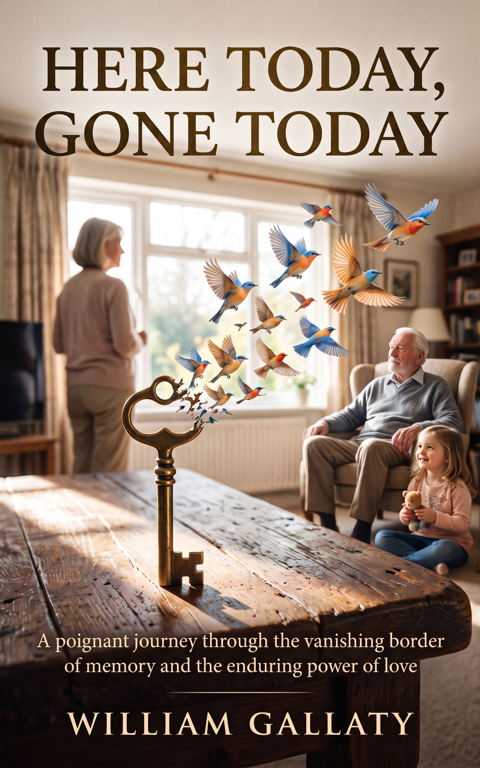
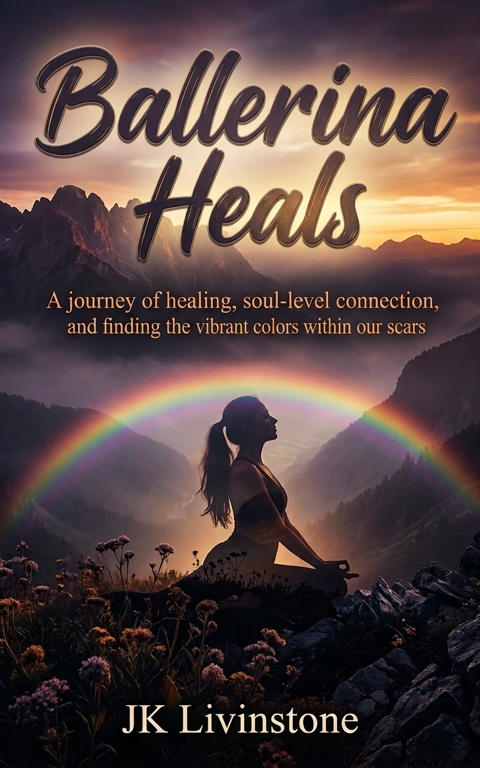
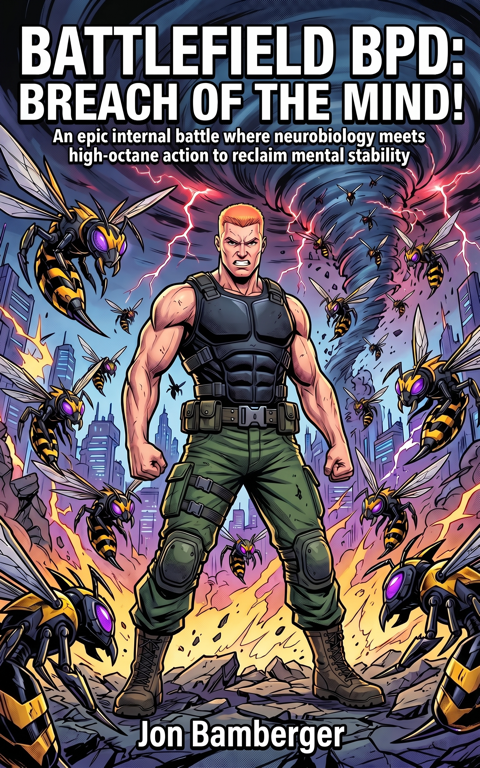
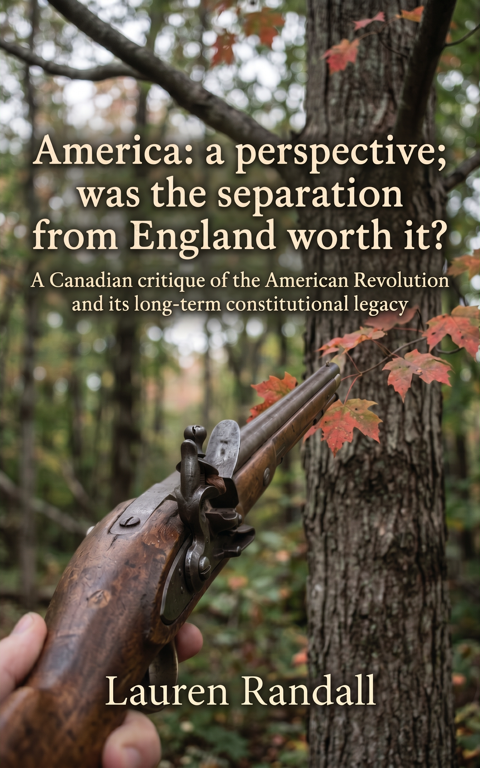
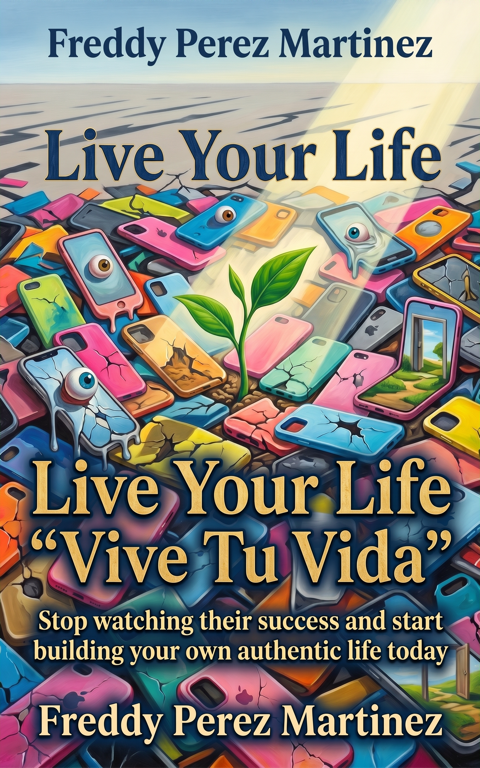
These are not competitors to the eight books above, and pretending otherwise would waste your time. This is a straight look at what is actually being written and posted on NanoReads at the moment, which turns out to be a lot of nonfiction, health writing and comics rather than literary novels. The range is the interesting part. Chapter one of each is free.

If you want more shelves organised by feeling rather than by ranking, these carry on the same way. And if you are deciding whether a paid short-fiction app earns its subscription this year, the Galatea comparison does the arithmetic.