The best adventure books are not the ones with the most action. They are the ones that get the distance right. Every adventure novel decides on page one how far its people are from rescue, and that number governs everything after: how fast the plot moves, what counts as a disaster, whether a broken ankle is an inconvenience or a death sentence.
So that is how this list is sorted. Four bands, nine books, from a day's walk out of town to nowhere anybody is coming. Nothing is ranked by quality; that order would change with my mood by Thursday.
How the ladder changes the pacing
Close to help, a writer can afford constant interruption: police, telegrams, a village with a phone. Tension comes from pursuit, because the environment will not kill you. A week from a road, the book slows and gets heavier, since food and weather are now plot. Put an ocean between the characters and everyone else and the story turns inward. At the far end, where no rescue exists, adventure becomes an engineering problem and the pleasure is competence rather than danger.
🚂A day from help
Civilisation is right there. The characters can see it and cannot use it. These read fast because the clock, not the wilderness, is the antagonist.
01Around the World in Eighty Days
Fogg is almost never more than a day from a hotel, and the book is still relentless, because his enemy is a timetable and a wager made at the Reform Club. Verne turns transport connections into cliffhangers: a missing rail line across India, an elephant bought at a ridiculous price, a detective trailing him around the planet on the mistaken belief he robbed a bank. Fogg meets catastrophe with the same flat courtesy he gives a cup of tea, which is the joke and the engine. Brisk, funny, structurally the tidiest thing here.
02The Thirty-Nine Steps
Richard Hannay finds a dead man in his London flat and runs, and for most of the book he is never far from a road, a farmhouse, or a station he cannot risk entering. Buchan invented much of the modern chase thriller here, including the trick where the fugitive keeps borrowing other people's jobs to stay invisible. Short, dated in places, and it moves like something with a train to catch.
03Jurassic Park
Isla Nublar is a helicopter hop from Costa Rica and there is a supply boat, which is exactly why the book is a countdown rather than a survival story. Help is hours away the whole time, and hours is the wrong unit when the fences are off. Crichton's novel is meaner and more technical than the film, and spends real pages on the flaws in the park's animal census software. Chapter-by-chapter escalation, and it works.
🥾A week from a road
Turning back costs as much as going on, and the weather starts making decisions. Quieter and heavier per page than anything in the first band.
04King Solomon's Mines
Allan Quatermain's expedition crosses a desert on a hand-copied map and a rumour, and once they commit there is no water behind them. Haggard is the template for the lost-treasure story, sealed chamber and all, and the desert crossing is still the most frightening part of it. Said plainly: the book carries the colonial attitudes of 1885 and they are not incidental to the plot. Read it as an origin document with the era's baggage visible.
05The Call of the Wild
Buck is stolen from a warm California ranch and sold north into the Klondike, where the nearest anything is measured in days of sled travel. London writes cold better than almost anyone, and the book's cruellest passages are about the inexperienced owners who do not understand ice. Under 200 pages, closer to a novella in feel, and it never sentimentalises the dog. The last chapter still lands.
⚓An ocean from anyone
The cast is now the whole world. Nobody new arrives, so the danger comes from whoever is already on the boat, or from what is left when they are gone.
06Treasure Island
Once the Hispaniola sails, Jim Hawkins is stuck on a ship with a crew he cannot read. The apple barrel scene, where a boy climbs in for fruit and overhears the mutiny arranged over his head, is the best-built moment in adventure fiction, and it works because there is nowhere to take the information. Long John Silver is still the genre's most charming problem: friendly, useful, negotiating with both sides at once. Fast, funny, and the correct first adventure novel at any age.
07Life of Pi
A cargo ship sinks and leaves a teenage boy on a lifeboat in the Pacific with a Bengal tiger — roughly the maximum distance a story can put between a person and help while keeping company aboard. Martel spends the middle on procedure: rationing, fishing, the daily politics of not being eaten. Then the last stretch asks you to choose between two versions of what happened, and the choice is the novel. Slower than everything above it, and the one most likely to stay with you.
🛰️Nobody is coming
Rescue is not late; it does not exist unless the characters build it. Competence replaces danger as the source of tension, and both of these are page-turners made almost entirely of problem-solving.
08The Martian
Mark Watney is left on Mars believed dead, with no communications and a habitat rated for a fraction of the time he needs. Weir writes it as a work log, so every chapter is a stated problem and an attempt: potatoes in Martian soil, digging up an old lander to get a signal home, fuel maths for a drive across the planet. The jokes carry it and the tension is arithmetic rather than dread. If the engineering appeals more than the wilderness, the sci-fi books hub serves the same instinct.
09Endurance: Shackleton's Incredible Voyage
This one is true, which is why it belongs at the bottom of the ladder. Shackleton's ship was crushed by pack ice in the Weddell Sea in 1915 and nobody on Earth knew where the men were, so the rescue had to be sailed for: an 800-mile open-boat crossing to South Georgia, then a walk over the island's unmapped interior to a whaling station. Lansing rebuilt it from diaries and survivor interviews, and writes it plainly, without inflating anything. Every survival novel you have read is downstream of this, and none are as tense.
🧭Which distance do you want tonight?
- Two hours, low patience. Band one: The Thirty-Nine Steps, finishable in a sitting.
- You want to feel cold. Band two. London first, then Haggard if the era's politics do not put you off.
- You want a crew you cannot trust. Band three, specifically Treasure Island.
- Competence, no monsters. Band four. The Martian for jokes, Endurance for real.
- No idea. The what should I read next quiz will narrow the mood. If the answer comes back magic rather than mountains, our best fantasy books list is the better door; for the far end of the ladder with a collapsed world attached, try these dystopian science fiction books.
📖Five adventure serials you can start free
An honest note before the shelf: our adventure catalogue does not look like the list above. It skews younger and rougher, two of these five are children's or middle grade, and none have been through a publisher's editing. What they offer is chapter one free and a length that suits a phone. Browse the wider shelf of free novels online if none of these fit.
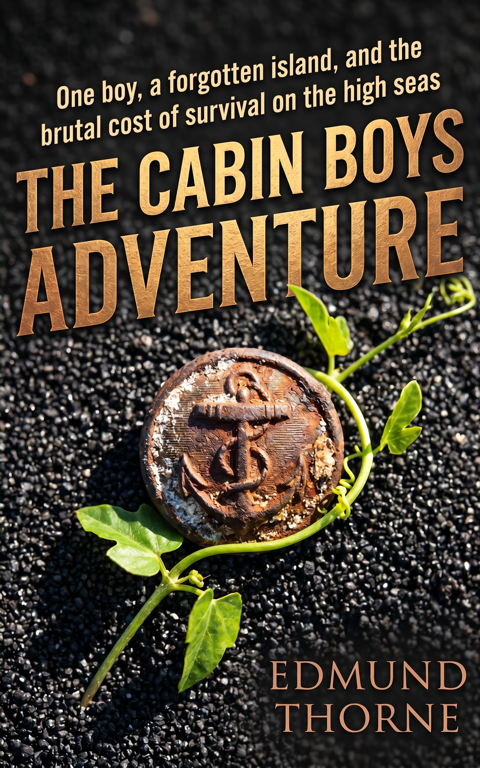
The closest thing here to the third band. A fourteen-year-old cabin boy serves a stern captain on a British man of war ordered to the Spanish colonies, and the Spanish navy attacks before they arrive. Tagged for grief and loss as well as action, so not a light one. Nearest catalogue neighbour to Treasure Island, at a rougher finish.
Chapter one costs nothing →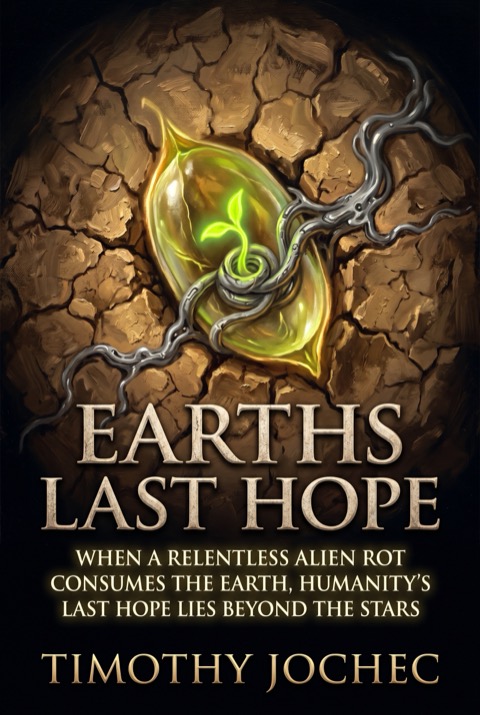
Hunger is shrinking the population, an infestation called the Vex destroys plant life, and the global powers build enormous greenhouses that are not enough. Premise-forward science fiction, survival-tagged rather than a character study. For fourth-band readers who want the stakes planetary.
Open the first chapter →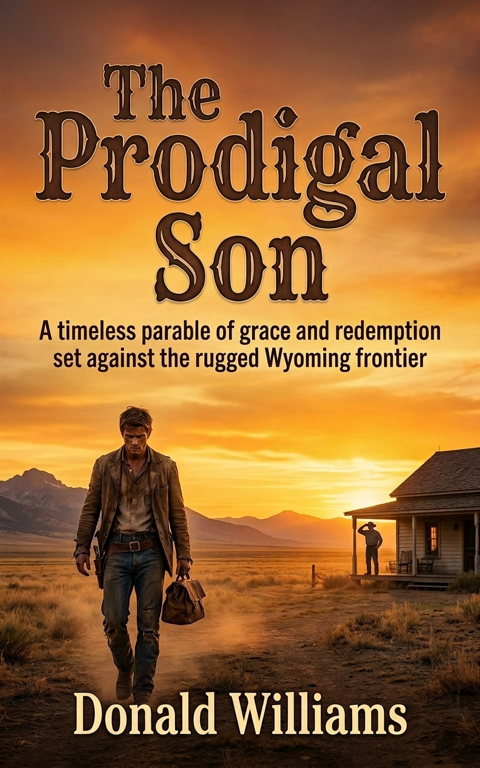
The parable from the Bible relocated to the old west. That transplant puts it squarely in band two: distances measured in riding days, a son who leaves and has to come back across them. Expect the faith framing, it is not incidental.
Read the opening free →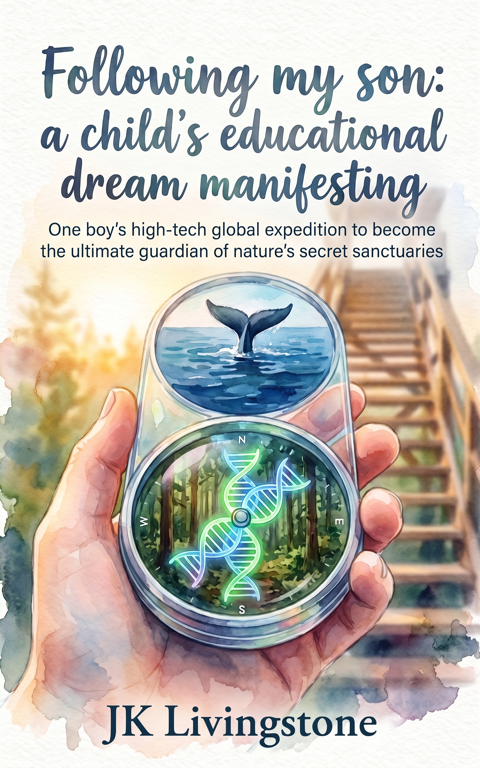
An Indiana boy whose mother can spend without limit as long as it goes toward whatever he wants to learn, starting with a tour of the states. Tagged for sea and jungle expeditions further in. Firmly middle grade: buy the premise or skip it, there is no adult layer underneath.
Start it without paying →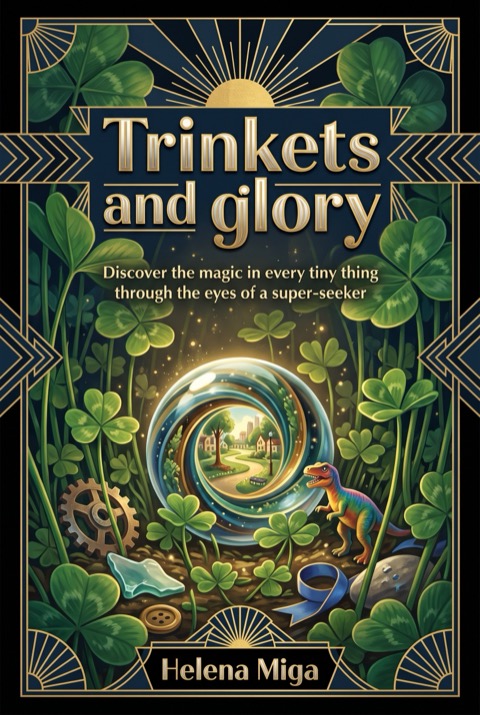
An autistic girl who collects trinkets and tells her stuffed animals how she got each one. Charming framing, domestic-scale adventures: a read-aloud for a young child rather than anything on the ladder above.
First chapter, free →