Here's the stat that built this page: "sports romance books" pulls over five thousand searches a month, and when we went looking through our own catalog for a match, we came up with zero books literally set on a field, court, or ice rink. That's a real gap, and pretending otherwise would be the fastest way to lose your trust the moment you tapped chapter one and found a CEO instead of a quarterback.
So this page does something most genre hubs don't: it tells you what's actually here before it sells you on it. What NanoReads has, in quantity, is the trope engine that makes sports romance addictive in the first place — rivalry, proximity, a competitive hero who can't stand losing to the one person he can't stop watching. Five books below run that engine without a single whistle blown. If you came for literal jerseys, I'll point you elsewhere at the bottom. If you came for the feeling, keep reading, because the feeling is the part these five books actually deliver.
🏆Why "rivalry" is the actual trope, not "sports"
Pull apart any beloved sports romance and the ball is set dressing. What readers actually show up for is a structural trick: two people locked into repeated, high-stakes contact by an external system neither of them controls — a season, a locker room, a shared trophy. Every match is a forced-proximity scene with a built-in excuse for eye contact across a crowded room. The genre didn't invent rivalry-as-foreplay; it just found the cleanest possible container for it.
Once you see the container, you can spot it wearing other clothes. A corporate rivalry between two account executives up for the same promotion runs on the identical fuel: recurring contact, a scoreboard both people are obsessed with, an audience keeping score. A protector who keeps showing up to the same fight runs it too. That's the honest premise of this shelf — we're ranking books by how hard they lean on the rivalry-and-stakes engine, not by whether anyone owns a pair of cleats.
There's a second ingredient sports romance leans on that's easy to miss: the season. A season gives a couple a hard deadline and a public record of how they're doing, which is exactly what a slow-burn romance needs and struggles to invent from scratch. Two of the five books below borrow that shape directly — a business quarter standing in for a playoff run, a family war with its own countdown clock — and it's worth reading for that structure even when nobody's keeping a box score.
📋Heat and content notes, honestly
Because two of these books sit at genuinely different heat levels, here's the plain read before you tap anything:
Where each book lands
- Faking It in Chicago — hot, steamy, explicit fake-relationship tension
- Their Shared Secret — hot and erotic, forbidden-bond shifter heat
- Love in Seattle — romance-forward, betrayal and revenge drive the plot more than the heat
- Not Your Time to Die — the mildest of the five, contemporary-romance tagged, no erotica
- Cultivating Our Plant Relationships — slow-burn, character-study pacing, lower heat than the top two
If you'd rather have a machine read the tags for you before committing an evening, the spice level checker does exactly that in about ten seconds.
📖The shelf, ranked by rivalry heat


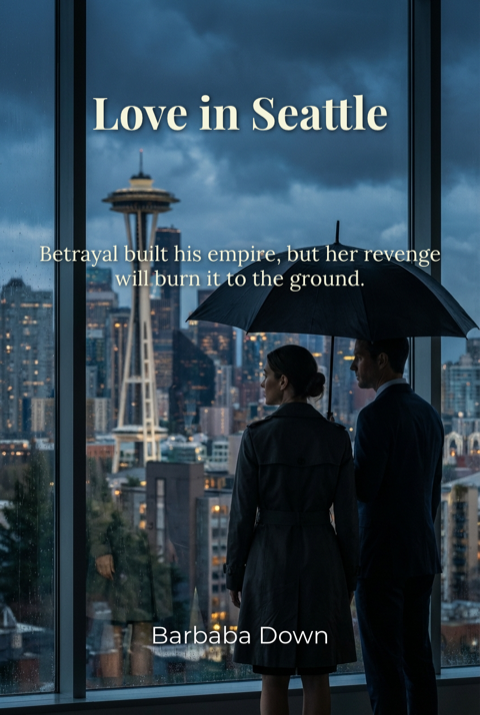
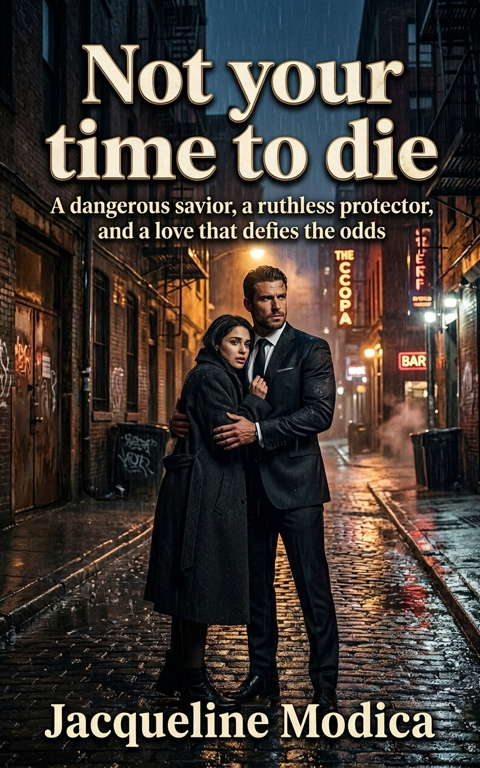
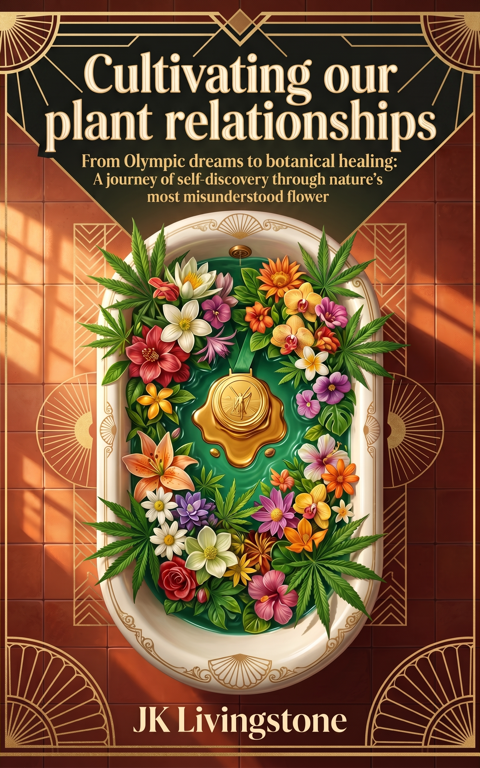
Ranked from most to least "this is basically a rivalry romance in street clothes." Tap any cover — chapter one is free on every title.
🥊Book by book, the sports DNA
Faking It in Chicago — Amani Reyes. Liv is the fiery assistant, Jace the ruthless CEO who needs her to play his fiancée to save his image. No court in sight, but the dynamic is pure team-captain-and-underdog: he calls the plays, she's supposed to just execute, and naturally that arrangement stops holding by the second act. Tagged hot and steamy — closest thing on this shelf to a locker-room power dynamic, minus the locker room.
Their Shared Secret — Luna Blackwood. A shifter academy story where the heroine is hiding among the very people who'd destroy her if they knew what she is. It earns its spot here for the competitive-pack-hierarchy structure: status, rank, and proving yourself under constant scrutiny, which is the same emotional shape as making a starting lineup. Read this one for the stakes, not for a scoreboard.
Love in Seattle — Barbaba Down. Betrayal in a marriage, followed by a revenge arc that plays out like overtime — momentum swings, a comeback nobody saw coming, a finish that rewards the person who refused to fold. If you love a sports story's third-act comeback more than the sport itself, this delivers that shape in a domestic-drama package.
Not Your Time to Die — Helene Daesey. A woman saves a mafia don from an assassination and walks away without giving her name; he spends the rest of the book hunting for his one unbeaten opponent. That's the rivalry engine again, just relocated from a field to the underworld — the thrill of chasing the one person who got the better of you once. Gentler heat than the rest of the shelf, contemporary-romance tagged rather than erotica.
Cultivating Our Plant Relationships — JK Livingstone. The wild card, and labeled as such: a high-achieving overachiever slows into a dreamlike, artistic state after regular exposure to something stronger than protein shakes. It's here for the "overproductive competitor learns to lose control and likes it" arc, which is a real sports-romance beat — the disciplined athlete who has to be taught that winning isn't the whole self. Slowest burn on the shelf, and the one furthest from anything resembling a game. If you finish it wanting more small-town, character-study pacing, it plays a similar note to the quieter end of our Christian fiction shelf, minus the faith angle.
🎽The three positions every rivalry romance needs
Once you're reading for structure instead of setting, a pattern shows up across all five books: someone has to play captain, someone has to play rookie, and someone has to play referee. It's not always the same gender doing each job, and that's usually where the book gets interesting.
The captain sets the terms everyone else plays by — Jace in Faking It in Chicago, dictating the fake engagement's rules until Liv starts rewriting them. The rookie is still learning the game while playing it for real, which is exactly the position Violet-adjacent, overachieving heroine occupies in Cultivating Our Plant Relationships once her old rules of self-discipline stop working. The referee is the outside pressure forcing a decision — the mafia don's hunt in Not Your Time to Die, or the betrayed spouse's public unraveling in Love in Seattle. Spot which position a book's marketing copy is selling you, and you'll know within a paragraph whether it's your kind of rivalry.
🎯Who's actually the reader here
Four reader types tend to land on this page, and they want different things from it. The trope purist just needs the rivalry-and-stakes shape and doesn't care what sport, if any, is involved — start with Faking It in Chicago, since it runs the power-imbalance-turned-partnership beat hardest. The comeback-story reader wants the emotional arc of losing and then winning bigger — Love in Seattle's revenge structure is your closest match. The competitive-heroine reader, who wants a woman who's good at something and gets to stay good at it, should start with Not Your Time to Die, where she's the one with the upper hand from page one. And the slow-burn reader who came for atmosphere over adrenaline belongs with Cultivating Our Plant Relationships, where the "competition" is entirely internal.
None of that replaces an actual sports setting if that's specifically what you're craving — see the FAQ below for where tradpub delivers that. But if what you actually love is the tension of two competitors who can't quit each other, this shelf gets you reading in the next sixty seconds instead of on a waitlist for a book that doesn't exist yet. And if the rivalry angle turns out to matter more to you than we guessed, the enemies to lovers hub runs the same engine at ten times the shelf size, no scoreboard required either way.
Not sure which rivalry you're craving?
Six questions, one archetype, one free book to start tonight.
Take the book boyfriend quiz❓Quick answers
Is there a sports romance with an actual game in it on NanoReads? Not currently, no — see the honesty note up top. This shelf is the closest substitute available today, and honestly a fairly good one.
Will NanoReads commission real sports romance? It's the kind of gap a page like this exists partly to surface. For now, the five books above are the actual answer to "what do I read tonight."
Which one should a total newcomer to the trope start with? Faking It in Chicago — it's the shortest emotional distance between "boss and assistant" and "team captain and rookie."
Is this page just a bait-and-switch for people searching "sports romance"? That's the exact risk we're trying to avoid by saying the quiet part out loud at the top. Nobody who reads this far should end up surprised that there's no stadium in these five books — and if that's a dealbreaker, the FAQ below sends you somewhere that has one.
🔍Where to go for the literal version
Which tradpub authors write actual, on-the-field sports romance?
Sarina Bowen's Ivy Years series, Elle Kennedy's Off-Campus books, and the hockey-and-football wing of BookTok romance all deliver real games. Worth knowing about even though they're not on NanoReads.
Is a "gay sports romance" list any closer to the real thing?
Yes — our gay sports romance list covers that specific corner in more depth, including where the catalog gap shows up hardest and what fills it.
What if I just want competitive-rivalry energy, sport optional?
Then the enemies to lovers hub is your real home base — rivalry is the whole genre there, no sport required to justify it.