"Dark mafia romance" gets typed into search bars by two very different readers, and most shelves serve neither one well. One reader means it literally — captor romance, abusive power dynamics, a hero the book itself won't fully redeem. The other means it loosely — just "mafia romance, but make it moodier than the cover implies." Serving both from one undifferentiated list is how readers end up either bored (not dark enough) or blindsided (too dark, no warning). So this page does one thing differently: it ranks eight books along a single darkness axis, ascending, so you can read exactly as far down the ladder as your limits allow and stop with confidence.
These eight overlap heavily with our broader mafia romance hub — six of the eight titles below also live on that page, sorted there by entry point instead of intensity. If you want the full family-saga taxonomy, that's the page for you. This page exists for one narrower, honest purpose: telling you which of these gets genuinely dark, and in what order.
Why bother with a second page for the same six books? Because "entry point" and "intensity" answer different questions, and conflating them is exactly how doorway-page mafia lists go wrong. Knowing a book starts with a kidnapping tells you the shape of the plot. Knowing where that kidnapping lands on a darkness scale tells you whether you should actually start reading it tonight. Both questions are legitimate; only one of them gets answered honestly on most genre round-ups, and it's usually not this one.
🎚️What "darker" actually measures here
Ranking by vibes isn't useful, so here's the actual method. Each book's position on the ladder below reflects three things pulled straight from its own tags and blurb: whether the heroine enters the relationship by choice or by force, whether the book's own tagging discloses an abusive power dynamic, and how much of the plot lives inside captivity versus outside it. A protective-don plot where the heroine holds real leverage sits at the top of the ladder. A captive-and-property plot the book itself tags as abusive sits at the bottom. Nothing here is my read on "vibes" — it's what the authors' own tags already say.
One more honest note before the list: two of these eight are marked adjacent rather than a clean fit. Not Your Time to Die is mafia-adjacent in tone more than darkness — it's here as the ladder's floor, the control group that shows you what "mild" looks like on this exact shelf. The Stolen Princess is dark-romance-adjacent rather than mafia at all — no family business, no dons — but it's here because its Regency-outlaw captor plot sits at a darkness level several searchers are specifically hunting for, and pretending it doesn't exist just because it lacks a mafia label would be less useful to you, not more accurate.
📉The darkness ladder, mildest to most extreme




📖The ladder, explained rung by rung
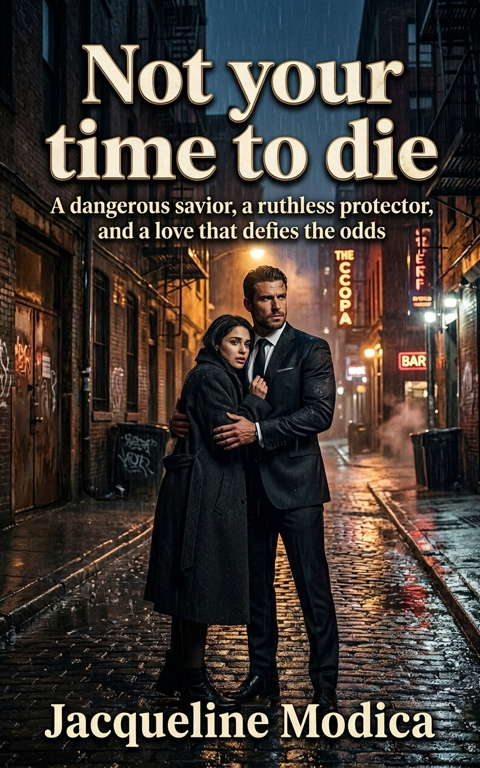
1 · Not Your Time to Die — Helene Daesey. The floor of this ladder. A 25-year-old saves a don's life and vanishes; he spends the book hunting her down out of gratitude and obsession, not leverage. She holds the power in the opening act, the tags read contemporary romance rather than erotica, and nobody here is anyone's property. Start here if "dark mafia romance" for you means moody, not menacing.
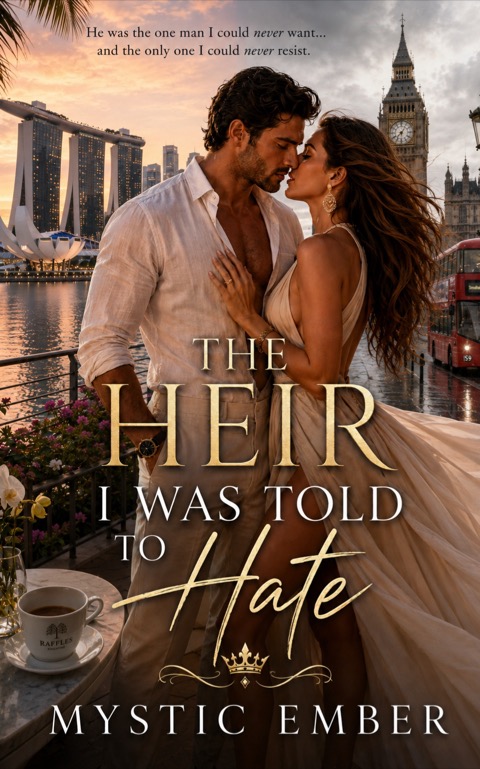
2 · The Heir I Was Told to Hate — Mystic Ember. Two rival heirs to a shipping monopoly running a secret affair that could cost them both their inheritance. It's high heat, but the darkness is corporate and reputational — boardrooms and family pressure, not captivity. No abusive-dynamic tag here.
3 · The Stranger's Ring — Jasmine Fields. Ava witnesses a mob execution and gets exactly one way out: a stranger's car and a forced marriage that follows. The coercion is real and the premise is genuinely dark, but the book plays it as slow-burn intrigue rather than open-throttle darkness — plot shares the load with tension instead of dominance.
4 · Devil in a Dark Suit — Lucia Rossi. A marriage dictated at gunpoint to settle a debt her parents owe with their lives. This is where the ladder tips from "coerced" to "controlled" — she has no real exit, and the book doesn't pretend otherwise.
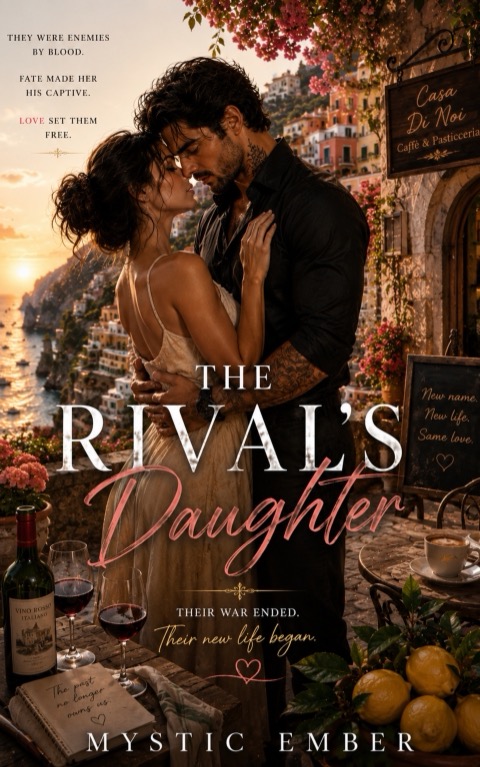
5 · The Rival's Daughter — Mystic Ember. A kidnapping that turns into the wrong kind of falling, tagged mafia erotica with enemies-to-lovers bones. High heat, a genuine captor setup, and the halfway point of the ladder — dark, but the power still shifts back and forth rather than sitting permanently with him.
6 · Sold to the Syndicate — Lucia Rossi. Her father's two-million-dollar debt makes her the collateral. Tagged with an abusive dynamic, and the book doesn't soften that disclosure — this is a captive arc where the cage is the plot, not a backdrop to it.
7 · Owned by the Underboss — Lucia Rossi. Sold by her own father, declared property outright by the man who bought her debt. Rossi's darkest entry doubles down on possession as the entire engine, tagged abusive dynamic same as above, with harder edges throughout. If Sold to the Syndicate was your ceiling, stop there — this one goes further.
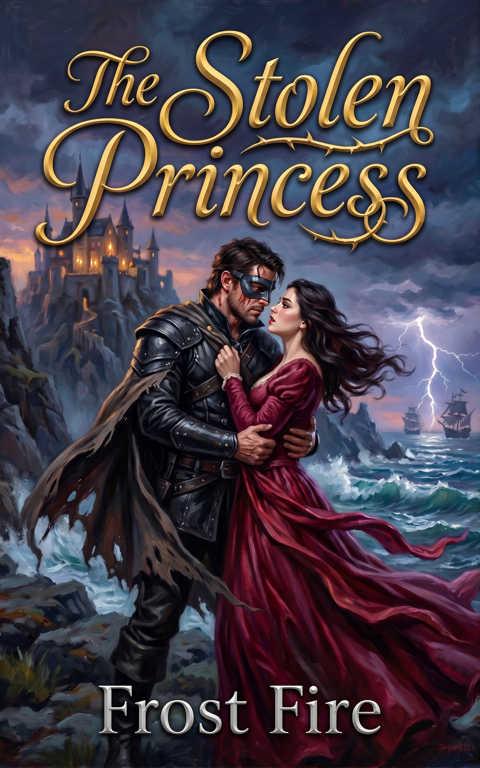
8 · The Stolen Princess — Frost Fire, adjacent pick. No mafia, no family business — a Regency lady kidnapped by a masked outlaw on the eve of her wedding, into bdsm and dark-erotica tagged territory with revenge and war running underneath. It's the ladder's true floor-to-ceiling comparison point: strip away the mafia setting entirely, and this is what "as dark as it gets" looks like on NanoReads right now.
🔀Where dark romance and mafia romance actually diverge
Reading these eight back to back surfaces something a single-genre list would hide: mafia romance and dark romance overlap at the edges but run on different engines underneath. Mafia romance, even at its darkest (Owned by the Underboss, Sold to the Syndicate), keeps a family frame around the power imbalance — there's an organization, a code, a debt with rules attached, and the hero answers to something bigger than his own desire. Pure dark romance, like The Stolen Princess, drops that frame entirely. There's no family to answer to, no code to violate — just two people and the imbalance itself, which is part of why it reads as heavier despite covering similar ground.
That's the actual difference between "mafia romance, but darker" and "dark romance, but with a don." The mafia version always has an institution standing behind the hero, softening him by giving him rules. The dark-romance version takes the institution away, and the reading experience gets correspondingly more intense. If you finish this ladder and want more of the second kind, our dark romance hub is built entirely around that stripped-down version.
Before you start at rung 6 or below, check yourself
- Am I comfortable with the book's own tag disclosing an abusive power dynamic, not just implying one?
- Is captivity as the entire plot — not a subplot, the plot — inside my limits tonight?
- Do I know the difference between "forced marriage, slow burn" (rung 3-4) and "declared property" (rung 6-7)?
- If a book goes further than its rung suggests, will I actually stop, or keep reading past my own line?
- Do I have a lighter book queued up after, in case I need the tonal comedown?
Unsure exactly where your line sits? The spice checker reads any title's tags in ten seconds before you commit a whole evening to it.
❓Quick answers
How is this different from the regular mafia romance hub?
The mafia romance hub sorts nine serials by entry point — arranged marriage, kidnapping, rivals. This page pulls a darker slice of that same catalog and reorders it along one axis only: how far each book pushes into captivity, abusive dynamics, and power imbalance, from mildest to most extreme.
Why is The Stolen Princess on a mafia romance list if it isn't about the mafia?
It's flagged as an adjacent pick, not a mafia book. It's here because it sits at the exact darkness level plenty of readers are actually searching for when they type "dark mafia romance" — captivity, power imbalance, revenge — just wearing a Regency setting instead of a family business.
What does an "abusive dynamic" tag actually mean here?
It means the book's own tagging discloses that the central relationship includes a real power imbalance the narrative doesn't fully resolve or condemn — not that a scene depicts graphic violence. Treat it as a flag worth reading before you start, not a spoiler to dodge.
Is any of this a good starting point if I've never read mafia or dark romance before?
Yes — start at rung 1 or 2 (Not Your Time to Die, The Heir I Was Told to Hate) and move down the ladder only as far as feels right. Nothing forces you past rung 3 or 4 if that's where your comfort ends.
🎯Which rung is actually you
You want moody, not menacing. Stop at rung 1 or 2. Not Your Time to Die and The Heir I Was Told to Hate both deliver mafia-world tension — hidden pasts, family stakes, a hero who can't stop watching her — without asking you to sit with a real power imbalance. This is the reader who wants the aesthetic of danger with none of the actual risk to the heroine's agency.
You want the forced-proximity ache without full darkness. Rungs 3 and 4 are your zone. The Stranger's Ring and Devil in a Dark Suit both start from coercion — a witnessed crime, a debt paid in a body — but both let the relationship soften into something closer to partnership by the back half. The captivity is real, but it isn't the whole story.
You want the captor romance, unapologetically. Rungs 5 through 7 are built for you. The Rival's Daughter, Sold to the Syndicate, and Owned by the Underboss all commit fully to the power imbalance as the point, ascending in intensity and in how bluntly the tags disclose it. Start at 5 and only go further if 5 didn't go far enough.
You've read everything mafia romance has and want the ceiling. Rung 8 is your answer, and it's honest about not being a mafia book at all. The Stolen Princess trades the family-business frame for pure Regency-outlaw darkness, and reading it after the first seven makes clear exactly how much the "mafia" label was doing to keep the darker entries feeling contained.