That Bradbury opening is the whole argument for sci-fi short stories in two lines: an automated house cheerfully running its morning routine after the people are gone. A novel would spend three chapters explaining the war. The story never mentions it directly, and it's more devastating for it. Science fiction has always done its sharpest thinking at short length — one idea, pushed to its logical end, no subplots to hide behind. Most of the genre's famous "big ideas" were short stories first, and a lot of them are still better than the novels they inspired.
This isn't a countdown, because ranking "The Last Question" against "Bloodchild" is meaningless — they're doing different jobs. It's a where-to-start guide, grouped by what you're in the mood for, with an honest anthology section at the end so you know what's actually worth buying.
🚀 If you only read three
"Cat Pictures Please" (Naomi Kritzer, 2015) is the gentlest possible entry: a newly self-aware AI that mostly wants to help people and be paid in cat pictures, narrated with the exasperated fondness of a customer service rep who can see your search history. It won the Hugo and takes fifteen minutes. It's also free to read on Clarkesworld's site, where it first ran.
"The Ones Who Walk Away from Omelas" (Ursula K. Le Guin, 1973) is barely a story at all — a description of a perfect city, then one locked room that the perfection depends on. People have been arguing about the ending for fifty years, which is the point. You will think about it at odd moments for the rest of your life.
"Story of Your Life" (Ted Chiang, 1998) is the one Arrival was based on: a linguist learns an alien language and, with it, a different relationship to time. The film is good; the story is better, because the central device — second-person passages addressed to her daughter — only fully works on the page. Cerebral and quietly shattering at once.
🛰️ The bedrock classics
Five stories that the rest of the genre stands on, all still readable in a way "important" old sci-fi often isn't.
"There Will Come Soft Rains" (Ray Bradbury, 1950) you've already met above. One detail worth knowing: later editions of The Martian Chronicles set the story in August 2026. We are now living in the month Bradbury picked for the end of the world, which adds a certain flavor to the reread.
"The Last Question" (Isaac Asimov, 1956) follows one question — can entropy be reversed? — asked of ever-larger computers across trillions of years. The final line is the most famous mic-drop in the genre, and Asimov himself called this his favorite of all his stories. Pure idea, almost no characters, and it still gives you chills.
"Flowers for Algernon" (Daniel Keyes, 1959) is told entirely in progress reports written by Charlie, a man whose intelligence is surgically tripled and who slowly realizes what the mouse in the lab is telling him about his own future. The spelling in the early and late reports does more emotional work than most novels manage. Bring tissues, genuinely.
"The Veldt" (Ray Bradbury, 1950) makes it two Bradburys in one section, which tells you what kind of year 1950 was for him. Two children become attached to their smart nursery, a room that renders any scene they imagine, and what they keep imagining is an African veldt with lions feeding in the distance. Their parents decide to switch the house off. Written seventy-five years before screen-time arguments, and it reads like it was written after them.
"I Have No Mouth, and I Must Scream" (Harlan Ellison, 1967) is the nastiest thing in this guide: a godlike military AI keeps the last five humans alive to torture them, out of pure hatred for its creators. It's short, it's vicious, and every evil-AI story since owes it money.
🌀 The Ted Chiang shelf
Chiang gets his own section because he's published fewer than twenty stories in thirty years and roughly half are masterpieces. Nobody else in the genre works at this hit rate.
After "Story of Your Life," go to "Exhalation" (2008) — an anatomist in a universe of air-powered mechanical beings dissects his own brain to find out where memory lives, and accidentally discovers the fate of his whole world. It's a story about entropy that reads like a love letter to existence. Then "The Merchant and the Alchemist's Gate" (2007), a time-travel tale nested like the Arabian Nights, where the physics allow no changes to the past and the story becomes about acceptance instead of paradox. Both collections — Stories of Your Life and Others and Exhalation — are below in the anthology section, and both earn their spot.
🧬 The uncomfortable ones
Fair warning on both of these: they're brilliant, and they're designed to get under your skin.
"Bloodchild" (Octavia Butler, 1984) — humans on an alien world live under the protection of the Tlic, who implant their eggs in human hosts. Butler called it her "pregnant man story," and it swept the Hugo and Nebula. What makes it uncomfortable isn't gore; it's that the relationship at the center is tender, and you can't decide whether that makes it better or worse.
"The Screwfly Solution" (James Tiptree Jr., writing as Raccoona Sheldon, 1977) — a plague of misogynist violence spreads along a geographic front like an infection, reported through letters between a husband and wife. The sci-fi reveal, when it comes, is almost a relief, and then it isn't. Arguably the scariest story ever published in the genre. If your taste runs this dark, our psychological thriller list is grouped by exactly this kind of dread.
📚Anthologies actually worth buying
The Big Book of Science Fiction — ed. Ann & Jeff VanderMeer
Nearly 1,200 pages and a hundred-odd stories spanning a century, with far more non-Anglophone work than any competitor. Buy it as the reference shelf; read it in random order. This is the single-purchase answer.
Stories of Your Life and Others / Exhalation — Ted Chiang
Two slim collections containing most of the best sci-fi short fiction of the last thirty years. If you buy nothing else on this list, buy the first one.
The Wind's Twelve Quarters — Ursula K. Le Guin
Le Guin's own retrospective of her early stories, including "Omelas." The author's notes between stories are a quiet masterclass in how short fiction gets made.
Her Smoke Rose Up Forever — James Tiptree Jr.
The essential Tiptree collection, "The Screwfly Solution" included. Bleak, brilliant, best taken a story at a time with breaks in between.
Cheap route: the current crop of magazines — Clarkesworld, Uncanny, Lightspeed — publish their fiction free online, and it's where the next generation of these stories is appearing right now.
Building the one-sitting habit
The nice thing about short sci-fi is that it fits in the cracks of a day: a commute, a lunch, the twenty minutes before sleep when a novel feels like a commitment. The failure mode is decision paralysis. You finish "Exhalation," feel changed, open the anthology's table of contents, and freeze in front of ninety titles you know nothing about. Two fixes work. One is to pick an author and run their whole collection in order, which is why the Chiang and Le Guin books above are such good buys. The other is to stop choosing entirely: the what-should-I-read-next quiz takes about a minute and hands you a single answer, which is all a bedtime brain actually wants.
And when a short story leaves you wanting a full-length dose of the same idea — say "Exhalation" sent you looking for more first-contact-with-strangeness — the year's best sci-fi novels are the natural next step up. Readers who came to shorts from fantasy tend to bounce between both shelves; our fantasy ranking keeps a couple of one-weekend books on it for exactly that reason.
⚡Serialized sci-fi, one free chapter at a time
Serials are the other one-sitting format. NanoReads runs indie sci-fi written in ten-minute chapters — same cadence as a short story habit, but the story keeps going tomorrow. Chapter one is free on all of them. These are what our readers are bingeing:
-
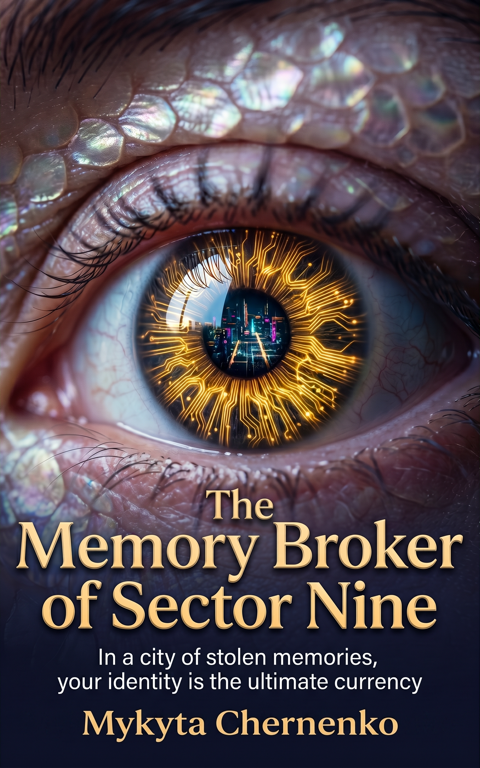
The Memory Broker of Sector Nine
Cyberpunk heist: a low-level auditor finds phantom tax returns filed by an AI that was supposedly shut down a decade ago — and a laundering scheme running on the neural processing of an entire district. Accounting noir, in the best way.
Read chapter 1 free → -
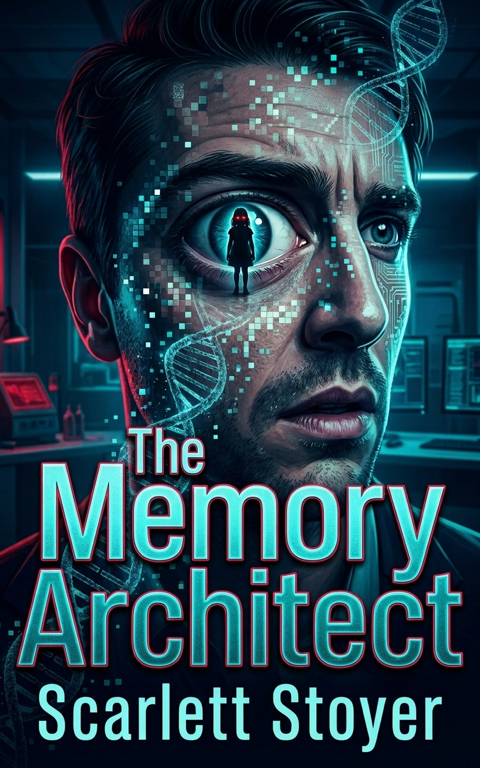
The Memory Architect
A forensic architect builds digital memory simulations for wealthy clients, then finds the same red-eyed girl glitching into the childhoods of three strangers. Deleting her is where his problems start. Psychological sci-fi with a conspiracy engine.
Meet the glitch → -
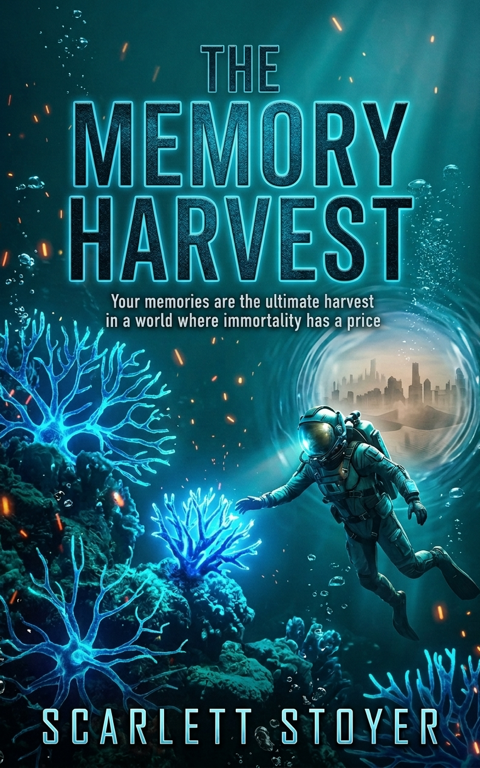
The Memory Harvest
A deep-sea diver harvesting glowing coral to fund his brother's lung transplant notices the reef growing in the shape of human neural pathways — pulsing in time with his own heartbeat. Same author as The Memory Architect; call it a loose thematic universe.
Dive in free → -
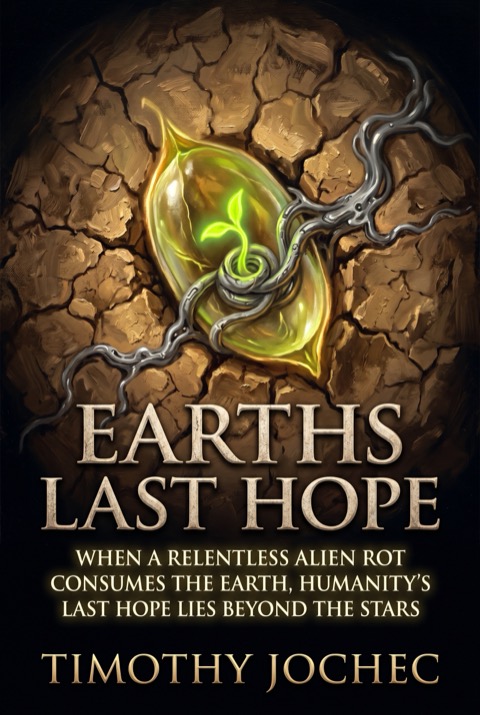
Earths last hope
Near-future survival: a plant-destroying infestation called the Vex has pushed food production into massive greenhouses, and they aren't enough. Big-canvas crisis sci-fi in bite-size installments.
Start chapter one → -
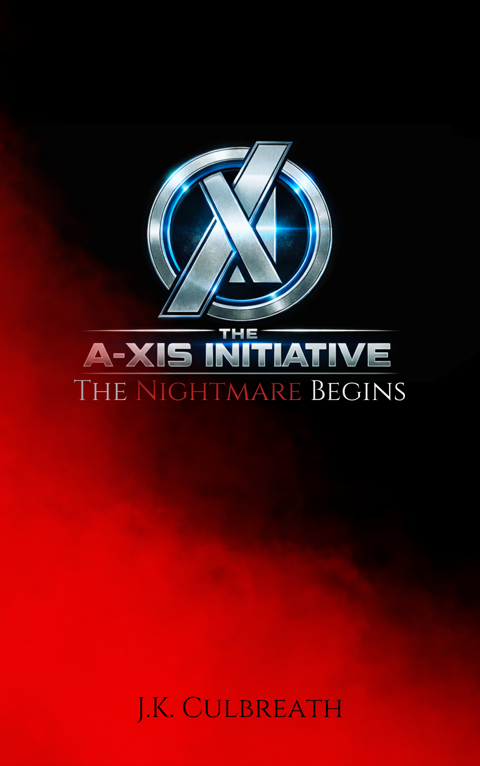
The A-XIS INITIATIVE: The Nightmare Begins
YA sci-fi with a haunted-house opening: a mansion in upstate New York that should have collapsed decades ago, and a catastrophe the world never learned to fear. Superhero and apocalyptic tags; aimed younger than the picks above.
See what's in the mansion → -
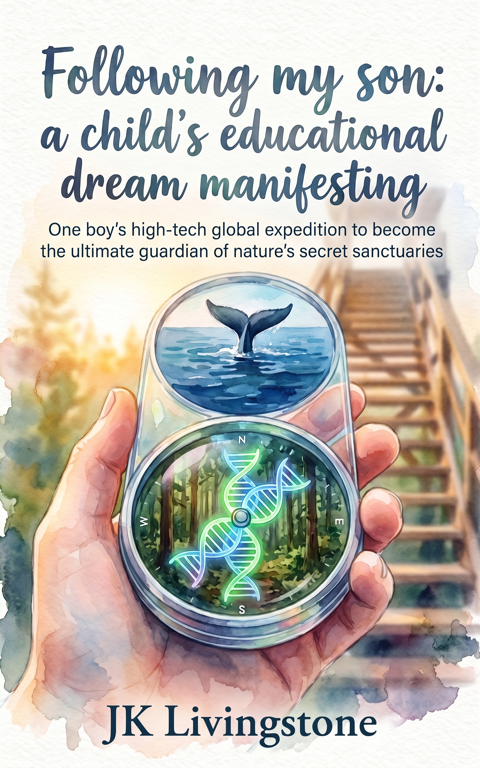
Following My Son
The outlier: a children's educational adventure about a boy whose curiosity gets unlimited funding. Reading with a kid who's curious about science? This one is for them, not you.
Free first chapter →