There's a contact in my phone saved as DO NOT. Capital letters. The number has been cold for four years and I have deleted exactly none of it: not the contact, not the thread, not the photo from a wedding where we were still an us. I'm not proud of it. I'm also clearly not alone, because if unfinished business were rare, second chance romance books wouldn't be one of the most reliable sells in the genre. Every never-deleted number is a reader the trope already owns.
Getting two people who already love each other back into one room is cheap. An author can do it in a chapter, and usually does. The break is where the craft lives, because the break decides everything downstream. It decides who owes the apology, and how big. It decides what has to be true before you believe the ending. So this page doesn't sort our shelf by heat or by subgenre. It sorts by what broke them.
🗂️The four breaks
Nearly every book in the trope runs on one of four fractures. Time and distance: he went to sea, she got on the plane, nobody sinned, the calendar did it. Betrayal: someone chose wrong on purpose, and there's a debt on the books. Memory loss: an accident took the relationship out of someone's head, which is stranger and sadder than either. And duty or circumstance: family, law, class, war, the world itself standing in the doorway.
Each break signs a different contract with the reader. A betrayal book that skips the reckoning is broken. A time-break book that invents a villain is lying to you. An amnesia book that resolves too neatly wasted its one great trick. Know your break and you know your book, which is the whole idea of this page.
A word on heat before the shelf: it runs from no tags at all to regency dark erotica, and each review says which is which. Where the catalog doesn't document something, I say so instead of guessing, and if you want a second opinion on any title's temperature, the spice level checker will settle it.
📖The shelf, ranked



⏳Nobody sinned. The calendar did it.
The gentlest break, on paper. No one cheated, no one lied; he left, she stayed, and the years did what years do. Which is exactly why these books hurt in their own specific way: there's no villain to be angry at, so the anger has nowhere to go but inward, into all the versions of your life that didn't happen. When the person comes back, the question isn't "can I forgive you." It's "are we still the people who loved each other, or am I about to kiss a stranger wearing his face." A side note on format, since both picks here are serials: the time break and serialized chapters get along unreasonably well. These stories run on withheld history, and a book that hands you the past in ten-minute installments paces the reveal the way the couple actually lives it, one recovered year at a time.
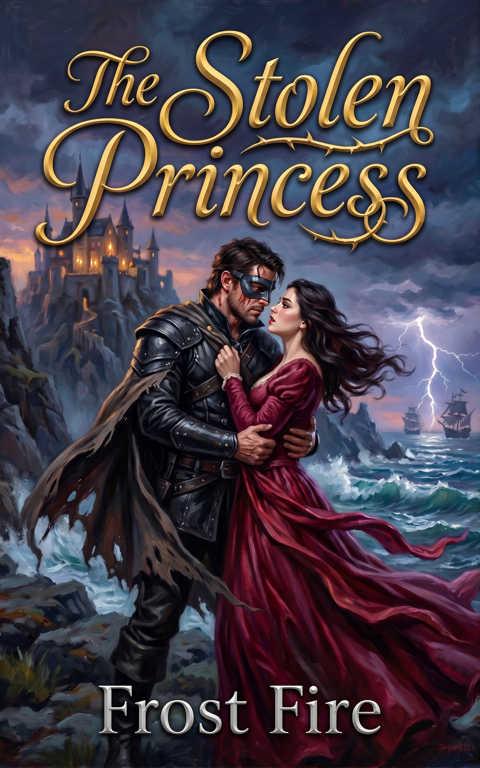
Frost Fire's The Stolen Princess plays that question at full volume. Rowan was the stable boy, Arabella the lady, and he vanished at sea years ago after swearing he'd come back for her. By the time he keeps the promise she's a day from marrying a cruel prince, so "coming back" takes the form of a masked mercenary stealing her off her own wedding eve. The mask comes off and the sea has given back what it took, changed. Before the premise seduces you, read the tag list: regency-set dark romance with bdsm, dark-erotica, revenge and war on it. Expect high heat and a kidnapping that stays on the page. The boy did not come back gentle, and the book knows it. If the costume-drama setting is half the draw for you, the historical romance hub keeps the whole era shelf. The first chapter of the kidnapping is free, and it does not idle.
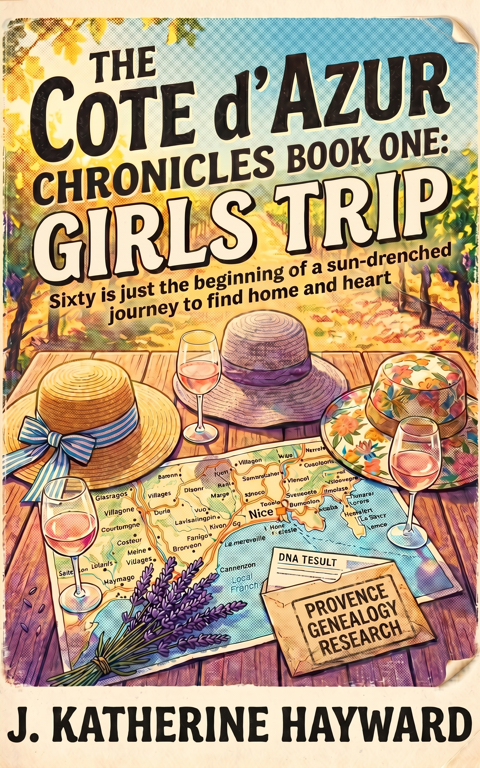
J. Katherine Hayward's Girls Trip, book one of The Cote d' Azur Chronicles, is the same break at the opposite volume: not one lost love but three whole lives up for renegotiation. Three longtime friends from Kansas City spend the month of their 60th birthdays on a bucket-list trip to the French Riviera, expecting wine and scenery, and get the course of their retirement rewritten instead. Honesty about what's documented: the tags promise second-chance romance, romantic comedy and an identity journey, but the catalog copy never names who or what originally broke, so I can't tell you whether the second chance arrives in a linen shirt or as a rediscovered self. Probably both. What I can tell you: no heat tags, so set your spice expectations at warm and wry rather than scorching. And sixty is a magnificent age for this trope. At twenty-five a second chance is a plot twist; at sixty it's a jailbreak. Chapter one pours the first glass free.
🔪Someone chose wrong, on purpose
The break with a body count. Betrayal books carry the biggest debt, and the whole back half of the story is the repayment schedule. But there's a subcategory readers don't discuss enough: the betrayal so complete that the second chance can't go to the person who committed it. Both books in this section live in that territory, from opposite directions, and I'd rather flag it clearly than let a shelf label mislead you.
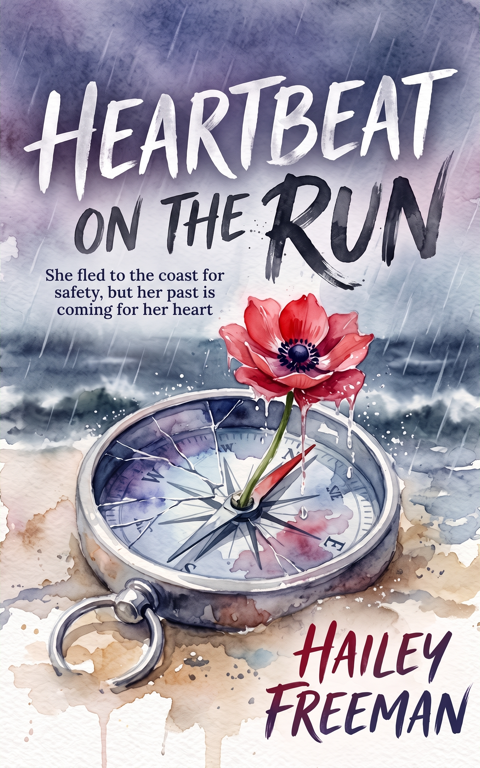
Hailey Freeman's Heartbeat On The Run hands the second chance to the heroine, not the marriage. Davina married young, and the man turned out to be obsessed with control and worse than that with his hands. She ran, and kept running, until a quiet cove town called Harmony finally let her stop. The second-chance and friends-to-lovers tags point at what she builds there, not at him; he's the reason the dark-romance and obsession tags exist, which tells you the past does not stay politely behind her. Content named plainly: domestic abuse in the rearview, an obsessive ex who doesn't accept rearviews. The blurb cuts off before naming who Harmony has waiting for her, so I won't invent him, but small towns in this genre don't stay platonic for long. If healing-in-a-small-town is your comfort register, our contemporary love story picks run deep on it. Davina's arrival in Harmony costs nothing to read.
Then there's Ava Sinclair's My Ex-Alpha's Obsession, which I'm shelving under betrayal with a warning taped to the spine. Maya escaped Alpha Kaelen Volkov seven years ago. A car crash drops her back into his frozen territory, and he pulls her from the wreckage with what the blurb calls chilling possession. The tag list includes abusive and ruthless, and it means them: this is dark romance wearing second-chance clothing, with obsession, an isolated cabin, and a power gap the size of a pack. Heat runs high throughout. A certain reader wants this exact book, id first, brakes optional, and I'm not talking her out of it; the dark romance hub is her home shelf. But if you came to this page hoping for an apology, you won't find one here. The opening chapter is free. Go in knowing what it is.
🫥The break is inside her head
Amnesia is the trope's strangest fracture because it turns the second chance around. The heroine doesn't get one. From where she stands this is a first meeting with a stranger who has receipts. The second chance belongs to the man across the table, and to you, the reader, who can see both timelines at once. The grovel disappears entirely; you can't apologize for a fight she doesn't remember. In its place the book runs on dramatic irony: every warm gesture carries the question "was it like this before, and if it was, why does he look guilty?" It's also why amnesia loves a marriage plot. Vows are documentation. A ring is evidence of a promise. Waking up married is waking up mid-second-chance whether you agreed to one or not.
Seraphina Quinn's His Forgotten Wife runs that machine with billionaire hardware. She wakes to darkness and a voice: "I'm your husband." The name Nikos Stathakis means nothing to her, and his answer to her blankness is to move her from the hospital to Aethelgard, his private island, which the book itself calls a beautiful cage, watched over by staff. The secrets and ruthless tags matter more than the billionaire one: the open question isn't whether she loved this man, it's whether the marriage she can't remember deserves remembering. High heat, alpha-billionaire flavor, paradise with locks. If the private-island tax bracket is its own attraction, we ranked the billionaire romance shelf separately. Her first blank morning is free.
Luna Carlisle's Forgetting Their Claim doubles the problem. Eva wakes with a throb behind one eye, a terrifying blankness where her memories should be, and two identical Alpha twins, Asher and Finn Thorne, telling her she's their mate. Not one man with receipts; two, and the receipts are supernatural. The kidnapping and secrets tags suggest her "shadowed accident" may deserve the air quotes, and the erotic and steamy tags mean the heat is high and split two ways. Werewolf mate-bond amnesia is honestly a clever second-chance machine: the bond remembers what she can't, so her own body keeps testifying against her blank memory. Start the free first chapter and count the red flags yourself.
⚖️The world stood in the doorway
The world's-fault break. Nobody cheated and nobody forgot; the couple lost to something bigger, class or family or law or money. These reunions have a different job than the others, because the leads don't need to change nearly as much as their circumstances do. The book becomes about defiance: at what point do two people stop asking the world's permission. Marriage of convenience, this break's respectable cousin, runs the same class-and-duty machinery in reverse, starting with the contract and smuggling the love in after.
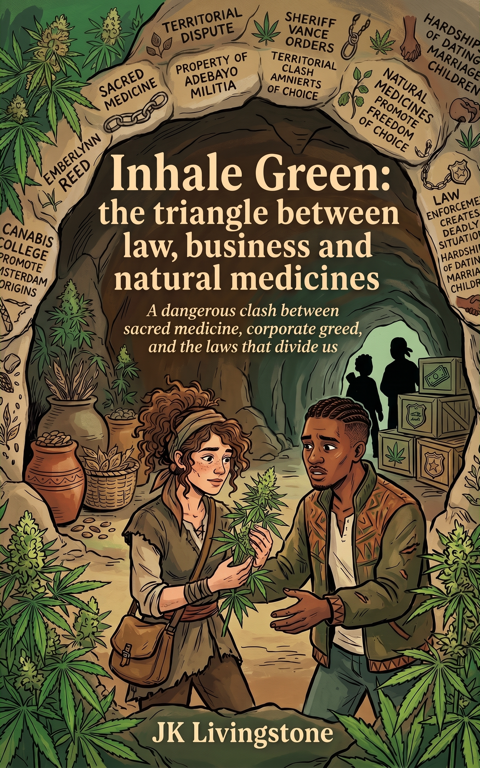
JK Livingstone's Inhale Green: the triangle between law, business and natural medicines is the one book here I'm shelving mostly on the strength of its tags, and I'll tell you exactly why. The catalog blurb is all premise: marijuana legalization, a cannabis college in Amsterdam, law and business circling a newly legal plant. The romance lives in the tag list, and the tag list is specific: friends-to-lovers, second-chance, forbidden-love, slow-burn. Friends with history standing on opposite sides of a legal fight is the duty break in its purest modern form; you don't need a betrayal when one of you answers to a legislature. Who walked away from whom, the catalog doesn't say, and I won't pretend to know. No heat tags either, which alongside slow-burn points to the cool, patient end of this shelf. There are also wilderness and survival tags, which I did not see coming and now genuinely need explained. Chapter one is free if you're as curious as I am.
🙇The grovel is the real climax
Ask a second chance reader for their favorite scene and almost nobody names the reunion. They name the grovel: the chapter where the person who did the damage stops explaining themselves and starts paying. There's a reason for that. The kiss only proves they still want each other, and wanting each other was never the problem; it's usually what made the break hurt. The grovel proves it will be different this time, and different-this-time is the entire product this trope sells. A reunion without one is a relapse with better lighting.
What the taxonomy above buys you is a prediction of the grovel. Betrayal owes the longest one, delivered on knees, with witnesses if the author loves us. Time-break grovels aren't aimed at a person at all; they're aimed at the calendar, at the lost years, which is why those books end wistful even when they end happy. The duty grovel is defiance, some public burning of the thing that stood in the doorway. And amnesia can't grovel, so those books substitute slowly re-earned trust, which is why they feel so different in the hand even when the couple is the same. Enemies-to-lovers, the neighbor trope, builds its tension from two strangers learning where to aim. Second chance starts with two people who already know exactly where to aim, and mostly choose not to. That restraint is the romance. When you want the artillery version instead, the enemies-to-lovers hub is one door down.
My personal test for the trope, and I applied it to everything on this shelf: pause at the reunion chapter and ask what the book still has left to do. If the answer is "watch them be happy," the back half will sag. If the answer is a debt, a blank memory, or a legislature, you're holding a real one. All seven picks above still owe something at the moment the couple reunites. That's why they made the page.
🐺Two crossovers this shelf actually supports
Second chance × werewolf rejection arcs. Werewolf romance ships with a second-chance machine pre-installed: the fated bond, the rejection, the mate who circles back. On this shelf, My Ex-Alpha's Obsession is the dark cut of that arc and Forgetting Their Claim runs it through amnesia, and both work because the bond gives the reunion physical stakes no contemporary can fake; her body votes before her brain gets a say. The werewolf romance hub holds the full pack, and our ranked paranormal love stories list covers the wider supernatural field.
Second chance × the amnesia marriage plot. His Forgotten Wife is the case study: the marriage certificate turns "trust me, we were in love" from a line into a legal document, and the whole book lives in the gap between the paper and her blank memory. I'll stop at two pairings. Nothing here honestly supports a third, and I'd rather run short than pad.
Still torn between breaks? The what-should-I-read-next quiz settles it in about a minute, with less agonizing than this page just caused you.
Which break would you forgive? 🗳️
Vote with a click. Every chip opens the matching first chapter, free.