A girl stood at the teen section of my library last winter, holding a paperback about a dragon war and looking unconvinced. Her mother kept saying it was "a YA book, you like those." She put it back and left with nothing. That is the problem with how we talk about YA fiction books: the label she was handed describes a shelf, not a story.
"Young adult" is a category about who the protagonist is and how the book treats them. The lead is roughly thirteen to eighteen, the narration sits inside their head instead of looking back fondly from adulthood, and their decisions are taken seriously rather than treated as a phase. That is the entire promise. It says nothing about whether there are dragons or corpses.
So the useful question is never "do you like YA?" It is which room of the shelf you are in. Ten novels below, sorted into five of them.
The contemporary gut-punch
No magic, no murder plot. A teenager in a recognisable town having the worst year of their life, usually in first person so you get no distance from it. This is where YA earns its reputation for making adults cry on public transport.
The Hate U Give
Starr Carter watches a police officer shoot her childhood friend Khalil at a traffic stop, then goes back to her mostly white private school on Monday and has to pick which version of herself to be in the hallway. Thomas builds the book around code-switching: Starr keeps two vocabularies and two laughs, and does the arithmetic of when to use which. The courtroom material is strong, but the scenes in her father's store make it. Fast for a book this heavy.
Speak
Melinda called the police at a summer party, the whole school hates her for it, and she has stopped talking. Her freshman year arrives in fragments ordered by marking period, the reason for her silence withheld until she can face it. The art assignment underneath is the clever part: she has to draw a tree over and over and keeps getting it wrong until she stops trying to make it pretty. Still the one I hand people first.
Aristotle and Dante Discover the Secrets of the Universe
Two Mexican American boys meet at an El Paso swimming pool in 1987 and become friends, which is roughly the entire plot for a hundred pages. Sáenz writes very short chapters with a lot of white space, and the slowness is the point: Ari has no words for anything, and the prose refuses to hand him any before he earns them. The heart of it is the fathers, not the romance. Read it to be gently taken apart rather than punched.
The dystopian engine
A rigged system, a teenager who becomes its symbol, a plot built like a machine. This room ran the 2010s and then collapsed under its own sequels, which is why only one book goes in it here.
The Hunger Games
Katniss volunteers in her sister's place for a televised fight to the death, and the book is smarter about the television part than its reputation suggests. Collins spends real time on the styling, the interviews and a romance performed for sponsors, so the arena reads as a broadcast rather than an adventure. Katniss narrates her strategy clearly and is unreliable about her feelings. Whatever you think of where the trilogy went, chapter one still starts faster than anything else here. For the adult version of the same engine, see dystopian science fiction books.
The fantasy epic
Invented worlds with their own economies, magic systems and body counts. The biggest room by volume, and the one with the widest quality spread. Full breakdown on the YA fantasy books hub, longer list at young adult fantasy novels.
Six of Crows
A teenage crime boss assembles five other misfits to break into the most secure fortress in the world. Heist novel first, fantasy second, rotating points of view so each backstory lands exactly when it changes how you read the job. Kaz Brekker's cane and his refusal to be touched are the same fact, and Bardugo takes hundreds of pages to let you see why. Best entry point if long fantasy openings bore you: the plot never idles, and the banter is actually funny.
Children of Blood and Bone
Magic has been violently erased from Orïsha, and Zélie, whose mother died in the purge, gets one narrow chance to bring it back. Adeyemi rotates between Zélie, a princess and a prince, so you spend a third of the book inside the head of the boy hunting the heroine, and his self-justifications are the most uncomfortable writing in it. The West African inspired setting is not decoration; the maji clans structure the magic. It is loud, and the middle third sags badly.
The mystery and thriller room
Somebody is dead or missing, a teenager does the detective work the adults will not, and chapters end on cliffs. The best of these use the mystery to say what the contemporary room says outright.
One of Us Is Lying
Five students walk into detention and the one who runs the school's gossip app does not walk out. The other four narrate in rotation, each holding a secret he was about to publish, and McManus keeps you suspicious of all of them. A Breakfast Club setup played as a whodunnit, and it knows how much it is borrowing. Low on prose ambition, but I have watched teenagers who claim to hate reading finish it in two days.
Sadie
Sadie goes after the man she believes killed her little sister; a true crime podcast host retraces her route months later. Alternating her chapters with podcast transcripts is cruel by design: the podcast is always behind, you are always ahead. Summers gives Sadie a stutter and refuses to make her sympathetic the tidy way this plot usually demands. The ending is why people either evangelise this book or throw it. The one here I would check content notes for first.
Verse and voice
Novels written in poems. They look intimidating and read faster than anything else here, because the white space does the work punctuation usually does. Low reading stamina? Start here, not with a four hundred page epic.
The Poet X
Xiomara is a Dominican American girl in Harlem whose mother wants her confirmed and whose body has made her a target since she was eleven, so she writes poems in a notebook and never reads them out loud. Acevedo was a slam poet first, and the poems are built to be spoken, with line breaks that force a pause where a breath goes. The fight with the mother is written without a villain, which is harder than it sounds. Two hours, and you will reread pages.
Long Way Down
Will gets in the lift with a gun, going down seven floors to avenge his brother. The lift stops on every floor, someone from his life gets in, and the whole novel happens in sixty seconds of real time. Reynolds uses the descending floor numbers as structure, and the ending stops on a question instead of an answer. Closer to a novella in commitment: an evening, at most.
What "YA" does and does not promise about content
The age label describes the protagonist, not the safety of the material. Melinda's silence in Speak is about a rape, and Anderson does not skip the scene. Sadie deals with the sexual abuse of children. Meanwhile Aristotle and Dante is quieter than most middle grade.
Sex is the axis people get wrong most often. YA romance runs from a closed bedroom door to genuinely explicit, and shelving tells you nothing about which; our list of young adult romance novels flags heat per title. Categories are made by sales departments, and readers get to ignore them. Plenty of the best readers of these ten books are in their forties.
📖YA on NanoReads, honestly sorted
Every book below is free to start. First, the gap: our YA tag leans hard toward science fiction and horror, and the contemporary gut-punch room is close to empty here. If that is the room you wanted, use the list above instead. The wider free novels online hub covers the rest of the catalog, and the read-next quiz takes ninety seconds if you would rather be asked than scroll.
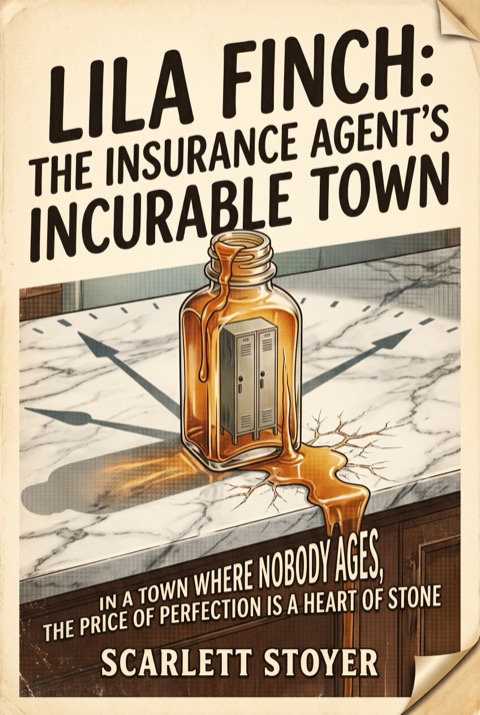
An insurance agent covers nearly everyone in a valley town where nobody has aged or fallen ill in forty years. Then an audit turns up the same teenagers enrolled in tenth grade since the nineteen eighties. Best hook in our catalog. Cozy register, not horror.
Open chapter one, no charge →
A mansion in the upstate New York hills that should have collapsed decades ago, and a catastrophe locals call a haunting and scholars call a myth. Tagged superheroes, ghosts and apocalyptic, so expect a blend. Slow, atmospheric opening.
Start the first chapter free →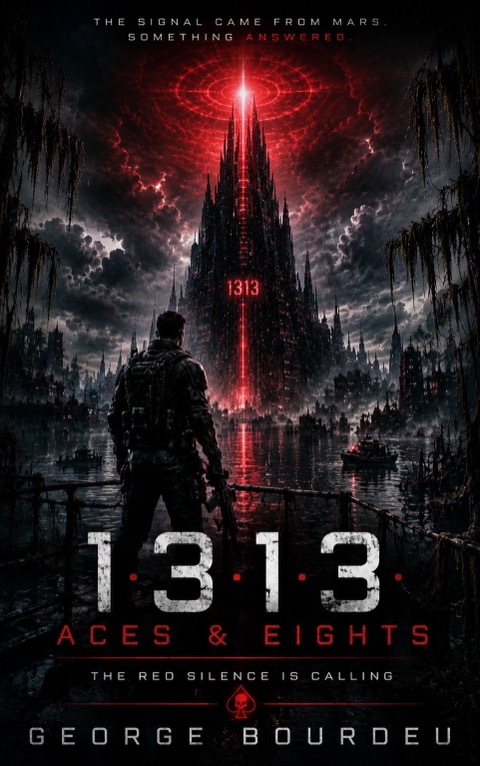
A fortress tethered above a flooded Louisiana, a pulsating portal over the ruins of New Orleans, and half machine Martian scavengers coming through it. The horror tag is not decorative; wrong pick for a squeamish younger reader.
Read the opening chapter free →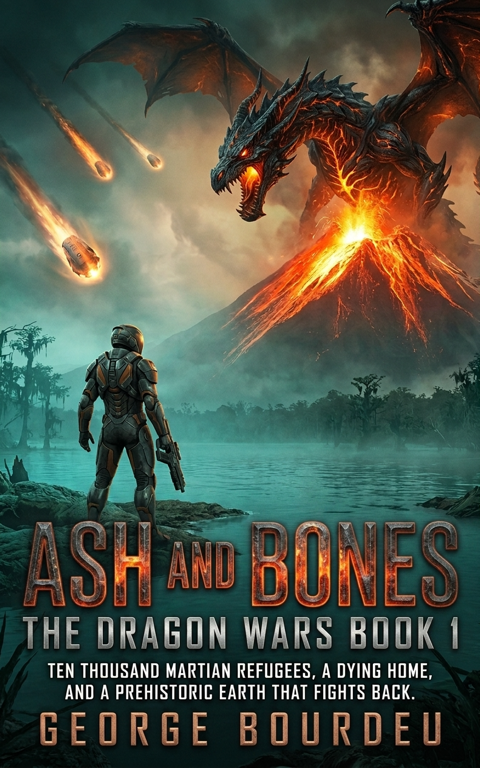
Same author as 1313 and the same register: a dying world, survivors on Mars, end-of-everything language. The listing opens with promotional series copy instead of the story, so judge chapter one, not the blurb. Space opera, not dragons in a castle.
First chapter costs nothing →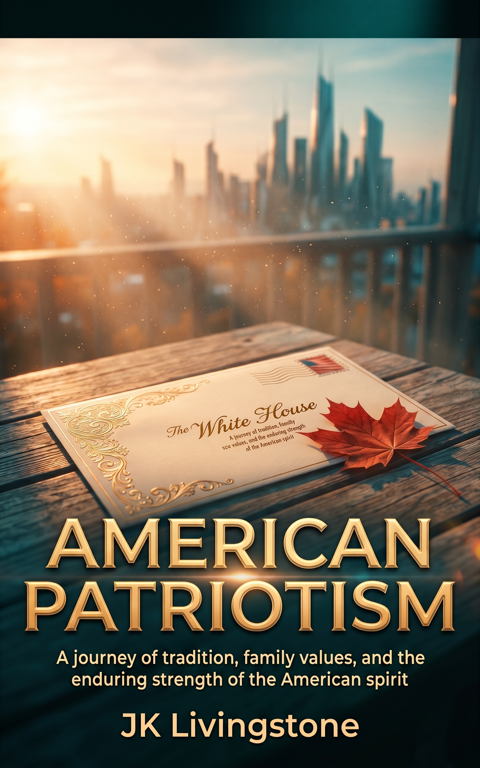
Historical fiction with a young adult tag, written in an earnest civics register and openly political, praising the American president and the country's global role in its own voice. Know that going in and decide for yourself. Not a plotted coming-of-age story.
Sample chapter one for free →