
Douglas Larner

Douglas Larner

3 booksHumorPeopleBehavior

I have been a practicing nurse practitioner for the past 22 years and mainly focus on functional medicine. But I am also human and have recently found myself writing about things of interest that I encounter regularly as opposed to the same topics all the time. I have a family of 6 and live in the foothills of Colorado. I enjoy traveling, spending time with my family, and teaching and supporting others.

Books

Obliviously Inconsiderate

Obliviously Inconsiderate

Navigating the fine line between accidental ignorance and intentional rudeness in a self-centered world

  • Humor
  • People
  • Behavior

Have you ever sat on a plane next to someone who thinks your shoulder is a footrest? Or perhaps you’ve been stuck behind a driver who treats a green light like a suggestion? In Obliviously Inconsiderate, Douglas S Larner tackles the ultimate question of the modern age: Are people truly unaware of their behavior, or are they just being jerks on purpose? From the cramped quarters of economy class to the chaotic aisles of the grocery store, this book takes a hilarious and relatable dive into the breakdown of common courtesy. With biting wit and keen observation, Larner examines the 'I deserve' attitude that has infected everything from public transportation to personal hygiene. But it’s not just a list of grievances. Through humorous anecdotes and sharp social commentary, you'll explore the psychology of digital distractions and the lost art of teaching etiquette to the next generation. Whether you’re a parent trying to raise respectful kids or a weary traveler just trying to keep your shoes on, this book is your survival guide. It’s a call to action for a more civil society, wrapped in the voice of a friend who is just as fed up as you are. Prepare to laugh, nod in agreement, and maybe—just maybe—learn how to handle the world’s most annoying habits with a shred of grace.

Is It My Fault?: Children with a Narcissistic Parent

Is It My Fault?: Children with a Narcissistic Parent

Finding clarity and freedom for children living with narcissistic or emotionally immature parents

  • Self-Help

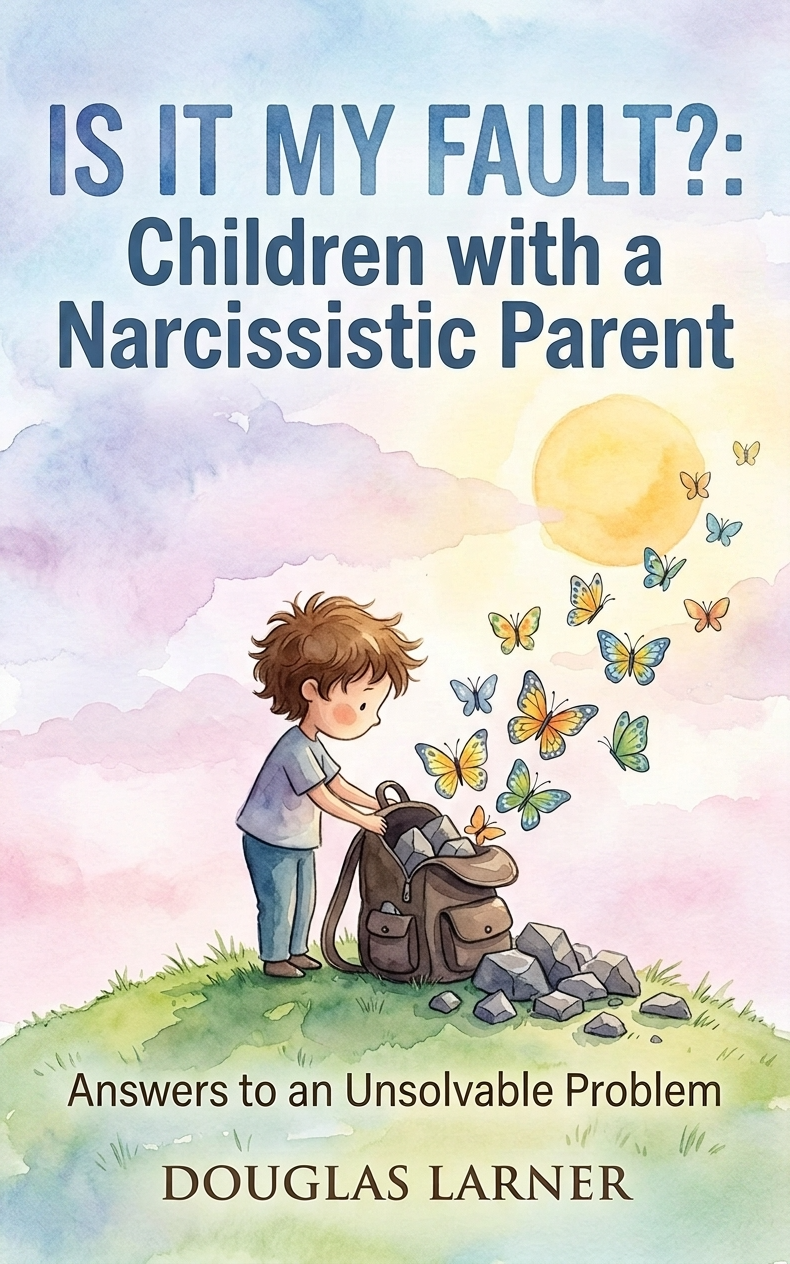
Do you ever feel like your parent’s bad mood is somehow your fault? Do you spend your days walking on eggshells, trying to be perfect just to keep the peace? You are carrying an invisible backpack full of heavy rocks—rocks called guilt, worry, and responsibility. But here is the secret you need to know: Those rocks don't belong to you. 'Is It My Fault?' is a gentle, Q&A-style guide written specifically for kids and teens who feel like they have to fix everything at home. Whether you are wondering why a parent is always mad or how to handle being blamed for things you didn't do, this book has the answers. You will learn how to build an emotional shield, how to let go of the need to be perfect, and how to reclaim your right to just be a kid. It is time to put down the heavy weight you’ve been carrying. You aren't responsible for the grown-ups in your life, and you deserve to feel happy and safe regardless of what is happening at home. This book is your safe harbor in the storm, proving once and for all that your only job is to grow, learn, and be yourself.

When Did Eating Become the Problem: The GLP1 Explosion

When Did Eating Become the Problem: The GLP1 Explosion

Uncovering the history of food noise and the biological truth about pharmaceutical weight loss

  • Self-Help
  • Wellness & Fitness

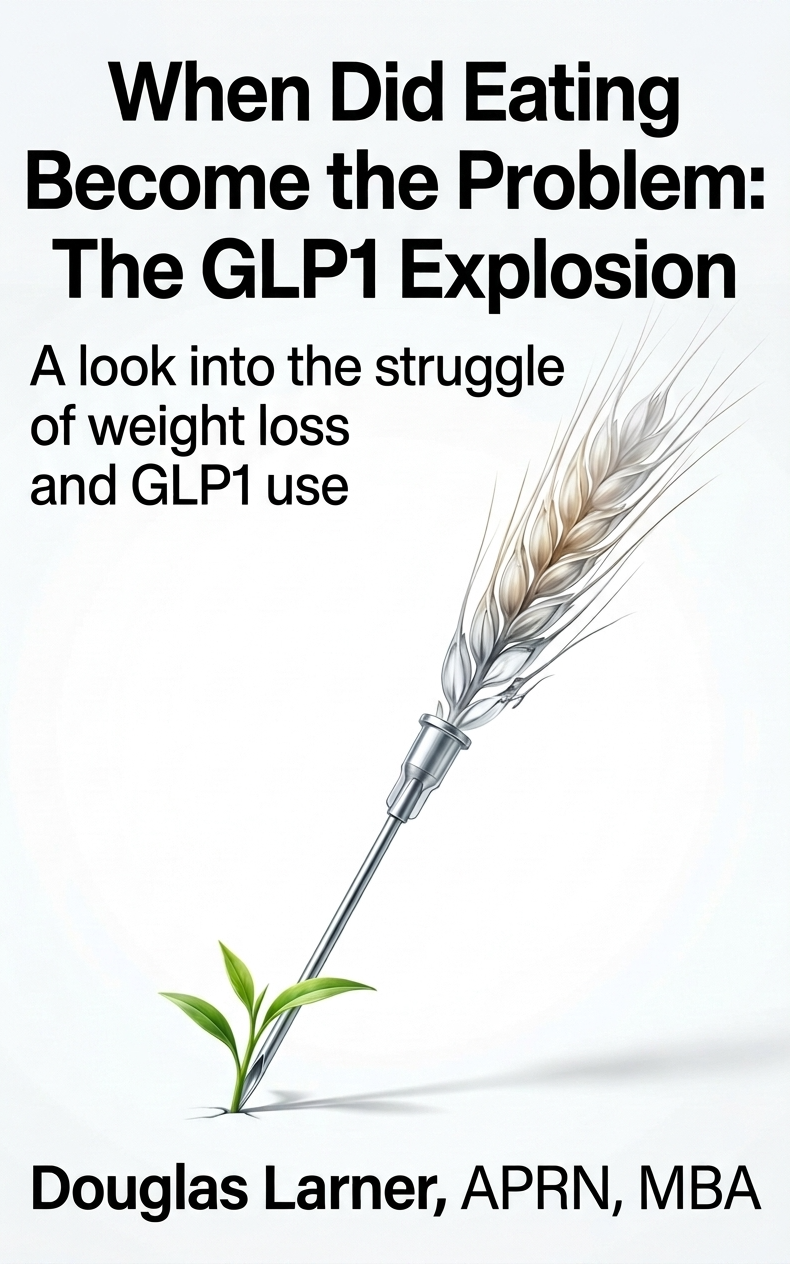
We are living in a metabolic crisis. From the rise of ultra processed foods and high fructose corn syrup to the genetic influence of the FTO gene, our relationship with sustenance has been hijacked by modern chemistry. Today, the GLP1 explosion promises a miracle cure for obesity, yet it brings a haunting side effect: the total loss of pleasure in eating. Douglas Larner dives deep into the century of dietary shifts that led us here, exploring the neurological phenomenon of food noise and why self control is often a losing battle against genetic predisposition. This book exposes how GLP1 medications create a new kind of disordered eating, replacing the struggle with weight for a life devoid of flavor and culinary joy. Most importantly, it addresses the sustainability crisis, explaining why the weight returns once the injections stop. When Did Eating Become the Problem provides a roadmap for metabolic recovery. It offers actionable solutions to manage food cue reactivity without lifelong pharmaceutical dependency. This is not just a critique of a trend; it is a call to reclaim your metabolic autonomy and rediscover the joy of food. Learn how to silence the noise and heal your body from the inside out.